Short answer: pick Normal on your first playthrough unless you have a specific reason not to. It's the baseline the combat, progression and boss encounters are tuned around. Story is for narrative-focused players who don't want combat friction. Hard and Very Hard are for experienced action-RPG players who want the game to push back from the start. Death Game Mode is a separate permadeath layer that stacks on top of any difficulty — and it's designed for second playthroughs, not first.
Evidence boundary. The four names and the Death Game modifier are official. Ver.1.0.3 adjusted monster counts by difficulty, but the cited notes do not provide a universal damage, health, speed or timing table. The descriptions below are player-fit recommendations, not invented coefficients.
The five options at a glance
| Level | For | Combat Feel |
|---|---|---|
| Story | Narrative-first players, newcomers to action games | Use when combat friction is not the goal |
| Normal | Most players on a first playthrough | Best baseline for learning all systems |
| Hard | Action-RPG veterans who want execution pressure | Choose only when challenge is part of the appeal |
| Very Hard | Experienced players seeking the highest base setting | A self-directed mastery run |
| Death Game (modifier) | Second-playthrough veterans | Any of the above + permanent save deletion on death |
Story difficulty
Story difficulty is a deliberate choice for players who are here for the narrative, characters and world of Aincrad rather than combat challenge. Pick it when boss fights should support the story instead of becoming progression gates. The same core systems—Sword Skills, partners and the Smithy—remain relevant to understanding the game.
This is the right pick if you're a SAO fan who hasn't played many action RPGs, if you're playing primarily to see the story of Floors 1 and 2, or if you want a relaxing experience where combat supports the narrative rather than gatekeeping it. There's no shame in it — the game offers Story difficulty for a reason, and the combat systems (Sword Skills, the partner system, the Smithy) are still fully available. You're not missing mechanics, just mechanical difficulty.
One thing Story difficulty changes that's easy to overlook: it makes Death Game + Story a genuinely interesting combination. You get permadeath stakes with forgiving combat — the tension of knowing every fight could be your last, without the mechanical brutality that makes Death Game + Very Hard a masochist's proposition.
Normal difficulty
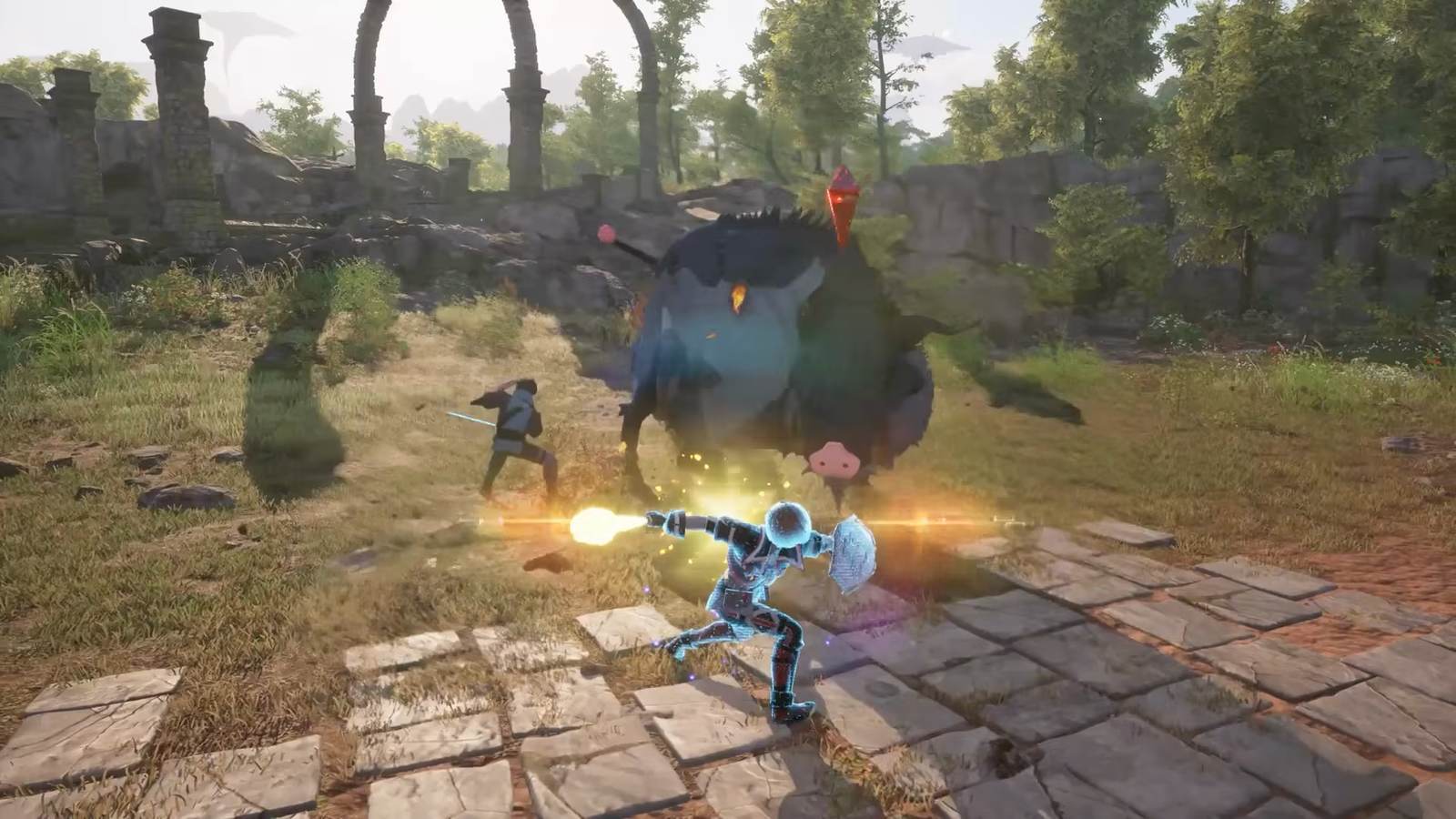
Normal is the baseline — the difficulty the developers tuned the game's progression curve, boss encounters, and gear checks around. On Normal, the Sentry Golem teaches you to parry without killing you for your first few mistakes. Illfang tests what you learned with real consequences for greed but fair windows to learn his patterns. The HP/Stamina/SP triangle matters — you can't ignore Stamina management or SP economy — but you have enough margin to experiment and learn.
This is almost always the right first pick. It gives you space to learn the combat system while still requiring you to actually engage with it — unlike Story, where you can sometimes button-mash through encounters, Normal demands that you use the tools the game teaches you (parry, dodge, Switch, support skills). If you find Normal too easy after a few hours, switching up is better than starting on Hard and finding the opening hours frustrating.
Build-wise, Normal is forgiving enough that every weapon type and stat allocation works. You don't need to optimize — a dagger build that makes mistakes can still survive, a two-handed axe build that commits too early can tank the punishment. This is the difficulty where "pick what sounds fun" is genuine advice rather than a polite way of saying "you'll be fine either way."
Hard difficulty
Hard is for players who already understand action-RPG spacing, recovery and resource discipline and actively want the opening sequence to test those habits. Approach the demo bosses as execution checks: arrive comfortable with parry cues, dodge timing, partner commands and Stamina reserves rather than using the setting as a first tutorial.
On Hard, build choices start to matter. A forgiving weapon (one-handed sword, mace) is noticeably safer than a high-skill-floor weapon (dagger, axe). Consumable management becomes important — entering a boss Ark without enough Healing Crystals is a mistake you feel, not just an inconvenience. The Smithy's upgrade system and EX-Mods shift from optional depth to practical necessity.
Hard is rewarding for the right player. Every boss clear feels earned, every upgrade feels significant, and the combat system reveals its full depth because you're forced to engage with all of it. But if the demo's bosses on Normal already felt tight, Hard will feel frustrating rather than challenging — the line between "demanding" and "unfun" is personal, and Hard sits right on it.
Very Hard difficulty
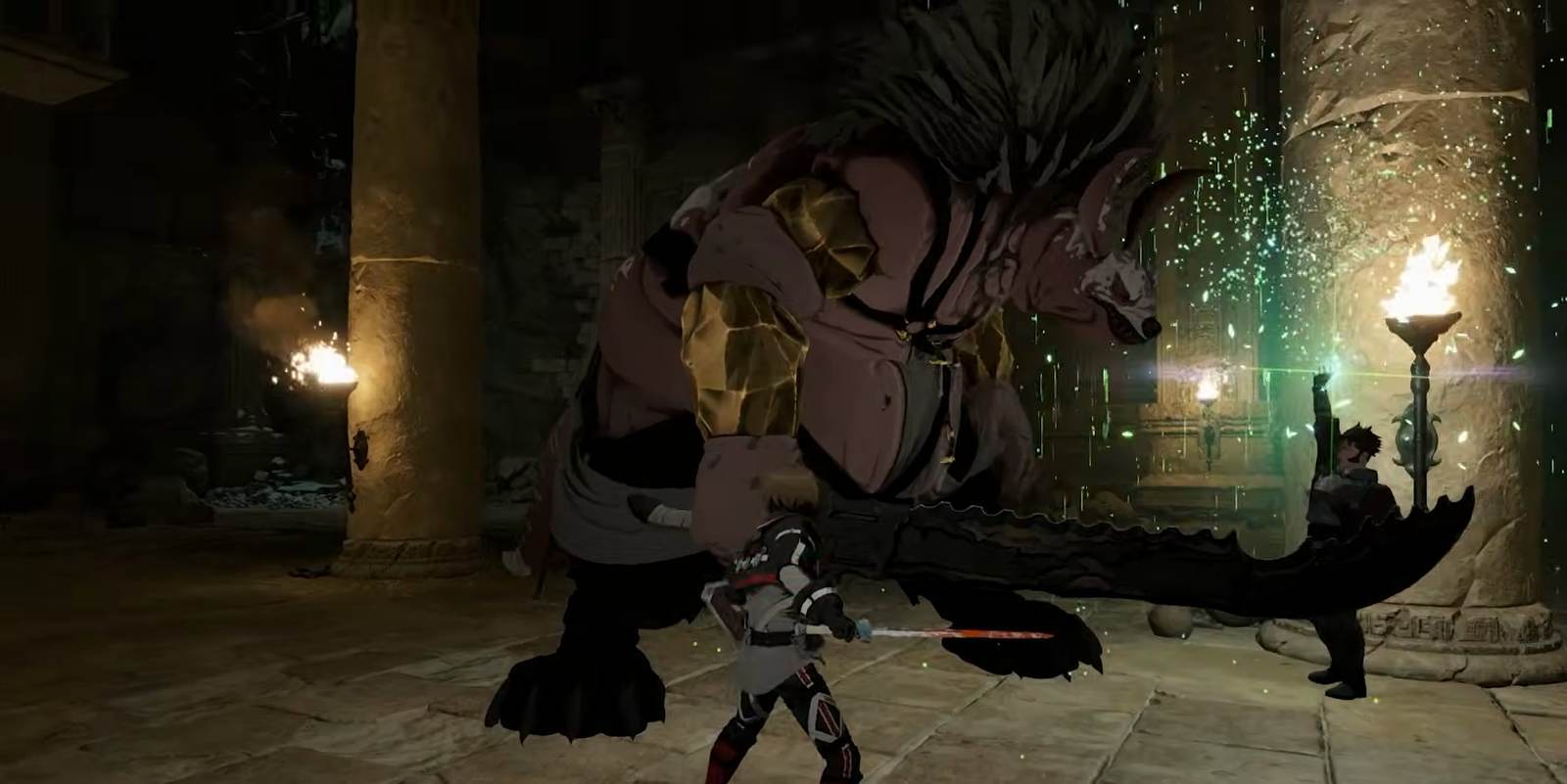
Very Hard is the highest named base setting before Death Game adds permadeath stakes. Choose it as a mastery run: make deliberate stat allocations, maintain the Smithy weapon, prepare consumables and treat ordinary encounters with the same attention you give bosses. This recommendation describes the required mindset without assigning unsupported hit-count or frame-window claims.
Very Hard is for players who specifically want to feel the danger of Aincrad — who want every enemy encounter in the field to demand attention, not just the bosses. It's the difficulty where the game's systems depth becomes mandatory rather than optional: you need good EX-Mods, you need the right consumables, you need to understand your weapon's matchup against each enemy type. For the right player, that's the whole appeal.
For everyone else, Very Hard is the difficulty you visit on a second playthrough after you've mastered the combat system on Normal or Hard. Starting here cold — especially with a mechanically demanding weapon like the dagger — is signing up for frustration that the game isn't designed to teach you through. The demo's Sentry Golem on Very Hard would demand perfect parry timing before you've learned what parry timing is; that's not fun difficulty, that's homework.
Death Game Mode — the fifth option
Death Game isn't a difficulty level — it's a permadeath modifier that stacks on top of any of the four levels. Activate it, and death permanently deletes your save file. No respawns, no checkpoints, no cloud-save workaround — producer Yosuke Futami confirmed the game blocks save duplication.
Death Game changes how you play more than what you play. Every fight becomes a risk assessment: is this worth the chance of losing everything? The difficulty stacking creates very different experiences:
- Death Game + Story: the psychology of permadeath without mechanical brutality — every fight could kill you, but probably won't
- Death Game + Normal: the "intended" survival experience — real risk, fair combat
- Death Game + Hard: every excursion from town could end your run
- Death Game + Very Hard: for streamers, challenge runners, and people who enjoy losing 50 hours of progress to one mistake
Death Game unlocks after finishing the game once, or immediately with the Deluxe/Ultimate editions. Our full Death Game Mode guide covers survival strategies, the stacking system, and why we recommend one normal clear first regardless of how confident you are.
How difficulty interacts with other systems
Difficulty doesn't exist in isolation — it ripples through every other system in the game:
- Growth Points: on Story, you can spread points freely without consequence. On Very Hard, every point needs to serve your build — wasted Growth Points mean fights that are harder than they need to be.
- Consumables: Healing Crystals shift from "safety net" on Story to "mandatory pre-boss equipment" on Hard+. Running out mid-fight on Very Hard typically means running out of life.
- Cardinal Rank: the shop and crafting gates tied to Cardinal Rank matter more on higher difficulties, where having access to better gear before a boss fight is the difference between a clean kill and a grind.
- Weapon choice: every weapon is viable on Story and Normal. On Hard and Very Hard, weapon matchups against specific bosses become meaningful rather than theoretical.
Which to pick: the decision tree
- First action RPG? → Story
- Played action RPGs, want to enjoy the experience? → Normal
- Experienced, want to be tested from the start? → Hard
- Want to prove something? → Very Hard
- Want to prove something and lose everything when you fail? → Death Game + Very Hard
And the most important advice: pick the difficulty that makes you want to keep playing, not the one that makes you feel tough for choosing it. A completed Normal run is worth more than an abandoned Hard run. Difficulty is also the single biggest lever on your total playtime — the how long to beat guide shows how much it swings the hours.
FAQ
How many difficulty levels are in Echoes of Aincrad?
Should I rely on changing difficulty later?
Which difficulty should I pick first?
Is Death Game Mode a separate difficulty?
Where to go next
Plan your first playthrough: best starting weapon, combat system explained, or the demo walkthrough to test the combat. For the permadeath experience: Death Game Mode guide. Still deciding on the purchase itself? See Is It Worth Buying?
Sources
- Bandai Namco — Starter Guide
- Bandai Namco — Day 1 Patch Update File Ver.1.0.3
- Death Game Mode details from producer Yosuke Futami interviews
Difficulty-specific descriptions combine the published mode structure with demo observation. They are qualitative recommendations, not claims about hidden damage or health multipliers.