Short version: consumables are your out-of-combat safety net and your in-combat toolkit. Healing Crystals (refilled at Safety Areas) and Healing Potions restore HP; a potion can refill SP directly; and tactical items — Mines, Explosive Stones and Debuff Items — add damage and control. The Merchant crafts and sells them for Col using materials you gather. The golden rule: never leave town for a hard fight under-stocked, because there's no shop inside a boss Ark.
Evidence basis. Item categories come from the official Gameplay Mechanics and Starter guides and the playable demo. This guide covers their tactical roles by category and avoids unsupported quantities, recipes or stack limits.
The healing layer
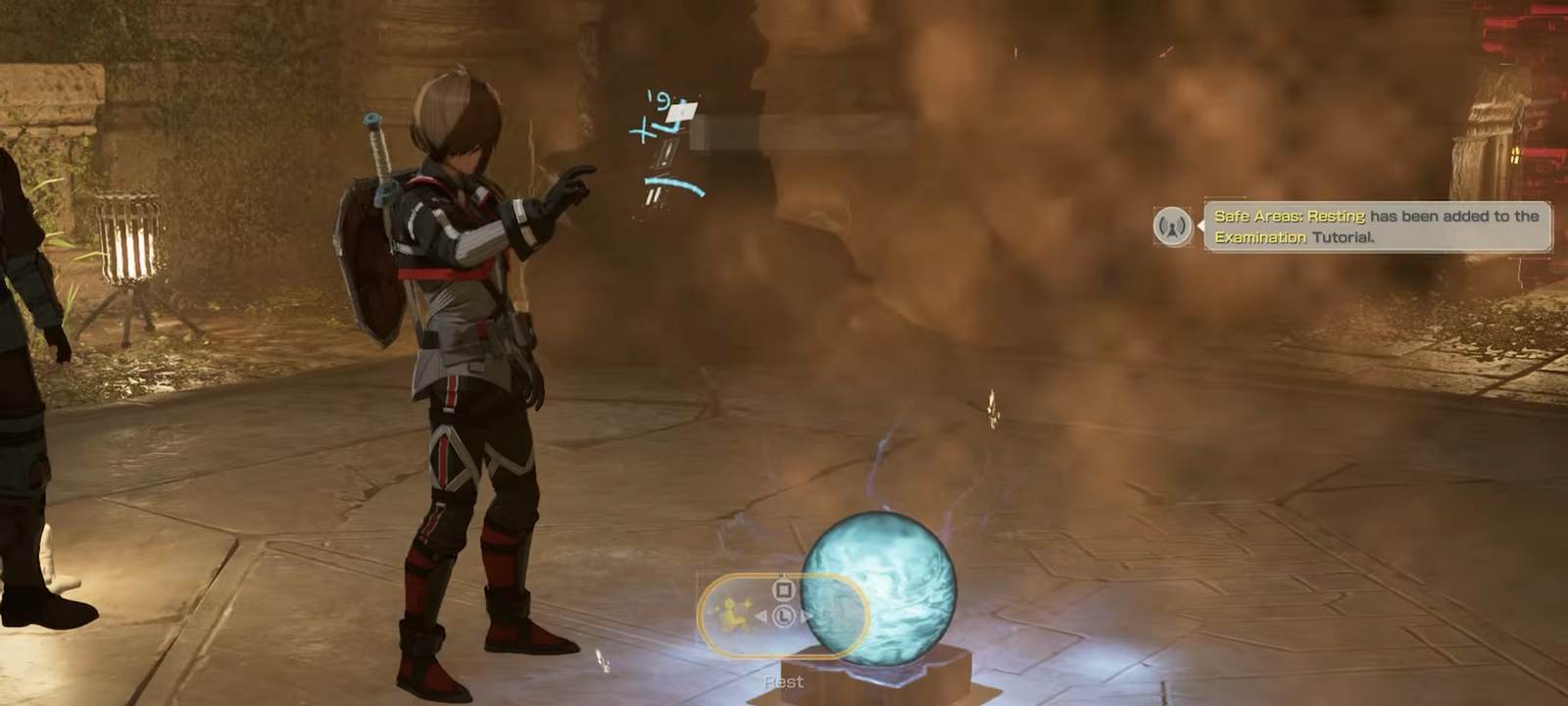
Because HP does not regenerate passively, healing is a managed resource — you can't stroll away from a fight and wait to top up. Two things fill the gap. Healing Crystals are your primary recovery, and their defining trait is that they replenish at Safety Areas — the recovery points scattered through the world. That makes reaching the next Safety Area a real objective when you're low, and it's why knowing where they are matters as much as knowing where the enemies are. Healing Potions are the portable supplement: bought or crafted at the Merchant, carried in your pouch, and spent when a fight goes long. Between the two, your effective survivability isn't just your Vitality stat — it's Vitality plus how well you've stocked and spaced your healing. A high-HP character with an empty pouch is more fragile than a modest one who prepared.
Buying back SP
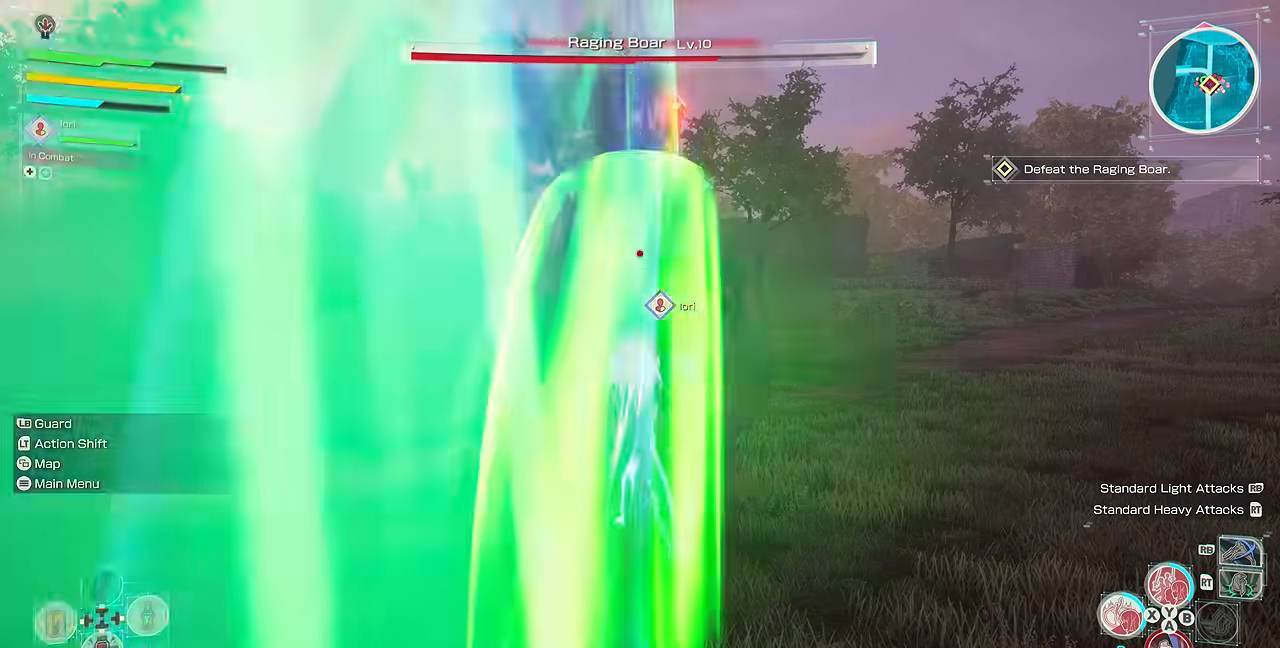
Normally SP refills only by landing attacks, which is fine in an aggressive fight but a problem in a defensive one — against a boss that gives you few safe openings, your Sword Skills can starve. That's what the SP-refill potion solves: it tops the bar directly, letting you fire a skill in a fight where you otherwise couldn't build the meter. Think of it as breaking the "attack to earn SP" loop when the situation won't let you follow it. It's a niche but powerful tool — worth carrying a few into a boss fight you expect to spend on the back foot, so a defensive stretch doesn't mean a skill-less one.
Tactical items: mines, bombs and debuffs
Beyond survival, the Merchant supplies a genuine combat toolkit that rewards setup and forethought:
- Mines — placed traps that damage enemies who trigger them. Useful for controlling space or setting up a punish before a fight begins.
- Explosive Stones — thrown or placed damage, a burst tool for chunking a tough enemy or a cluster.
- Debuff Items — tools that weaken enemies, softening a dangerous target so the rest of the fight tilts your way.
These reward a more deliberate approach than "swing until it dies." Before a hard field fight you can pre-place Mines; against a single dangerous enemy a Debuff Item can be the difference maker; and Explosive Stones give even a low-damage build a burst option. They're most valuable exactly where the game is hardest — the fights that punish a purely reactive playstyle reward a prepared one.
Where consumables come from
Your supply chain runs through the Merchant, who both sells items and crafts consumables and utility items for Col. The crafting side means consumables draw on the same materials you gather in the field and from enemy drops as your gear does — so the packs you clear and the nodes you harvest feed your potion pouch as well as your Smithy upgrades. This ties consumables into the broader loop: explore and fight to gather materials and Col, return to town to craft and buy what the next stretch demands. And because the Merchant's stock grows with Cardinal Rank, better consumables become available as you progress — another reason to keep advancing the story rather than grinding in place.
Stock up before an Ark
The single most important consumable habit: resupply before you enter a boss Ark. Boss and elite arenas — the Arks — have no shop inside, and once a boss fight begins you can't retreat to restock. Whatever you walk in with is what you have for the whole fight. So the pre-Ark routine is non-negotiable: fill your Healing Potions, carry a few SP refills if you expect a defensive fight, bring the tactical items that suit the boss, and make sure you've hit a Safety Area to top your Healing Crystals. Dying to a boss because you entered with a half-empty pouch — not because the boss out-played you — is the most avoidable death in the game, and a fatal one in Death Game Mode.

How much should you carry?
The game doesn't punish you for carrying supplies, so the honest answer to "how many potions?" is "more than you think you'll need." A practical loadout for a first character: a full stack of Healing Potions, a few SP refills reserved for defensive boss fights, and a small selection of tactical items matched to what's ahead. The reasoning is asymmetric — carrying an extra potion you don't use costs you nothing, while being one potion short can cost you a run. Early on, before you know a fight, err toward over-packing healing; you can refine the ratio once you've learned an area's demands. The one thing you never want is to discover mid-boss that you rationed yourself too thin to save a handful of Col. Supplies are cheap; a lost run — or in Death Game Mode, a lost character — is not.
Consumables cover your build's blind spots
The smartest way to think about consumables is as patches for your build's specific weaknesses. A fragile, high-damage build leans harder on Healing Potions, because it has less HP margin for error. A defensive build that struggles to generate SP against cautious bosses benefits most from SP refills. A low-damage build gets the most out of Explosive Stones and Debuff Items, which add the burst and control it otherwise lacks. In other words, your consumable choices should mirror the same identity as your stats and EX-Mods — reinforcing your strengths, or better, covering the exact gap your build can't close on its own. Two players with different builds should be carrying different pouches, and a pouch that's identical regardless of build is a sign you're not thinking about consumables hard enough.
In the demo
The demo introduces this whole layer in miniature: you'll use Healing Crystals and Safety Areas, meet the Merchant in the Town of Beginnings, and face bosses where a healing stock matters. It's the perfect place to build the habit that carries into the full game — treat every return to town as a resupply, and never trigger a boss fight without checking your pouch first. Because progress transfers to launch, the routine you practice now is the one that keeps you alive across a much longer campaign. Preparation is a skill, and consumables are where it shows. It's the least glamorous habit in the game and one of the most decisive: the players who rarely die are usually the ones whose pouches are always full and whose Healing Crystals are freshly topped, not the ones with the flashiest combos. Build that habit on the demo's forgiving bosses and it carries you through every harder fight the full game puts in front of you.
FAQ
How do you heal in Echoes of Aincrad?
Can you refill SP with an item?
What tactical items are there?
Where do you get consumables?
Where to go next
Learn where Safety Areas and Arks sit in the world in the checkpoints & Arks guide, fund your supplies in the Col guide, and see the SP loop your potions support in the Stamina & SP guide. For every confirmed item in one reference table, see the items & materials database.
Sources
Gameplay frames captured from the Echoes of Aincrad demo; player-captured footage credited in each caption.