Short answer: Echoes of Aincrad stars your player-created avatar, with confirmed partners including Iori, Wyzeman, Zash, Musoh, Argo, Kirito, Asuna, Agil, Klein, Lisbeth and Silica. Iori is still the demo's clearest worked example of partner combat, but she is no longer the only named companion we can talk about.
Source basis: the roster and weapon labels below come from Bandai Namco’s official character pages. This overview covers published identities and roles; it does not invent recruitment routes, hidden skills or late-game availability.
The protagonist: your created avatar
Echoes of Aincrad's biggest break with series tradition is still the right starting point: the hero is a player-created character, one of the roughly 10,000 trapped in the death game when Aincrad sealed its doors. Your avatar's look, build and combat identity are yours: appearance options, seven attributes, six weapon classes and a partner slot that matters in battle.
That shift changes the fantasy. Kirito and Asuna are not removed; they are recast as people you meet inside the castle. You are not replaying the famous story from Kirito's camera angle. You are trying to survive beside the legends.
See the character creation guide for the build side.
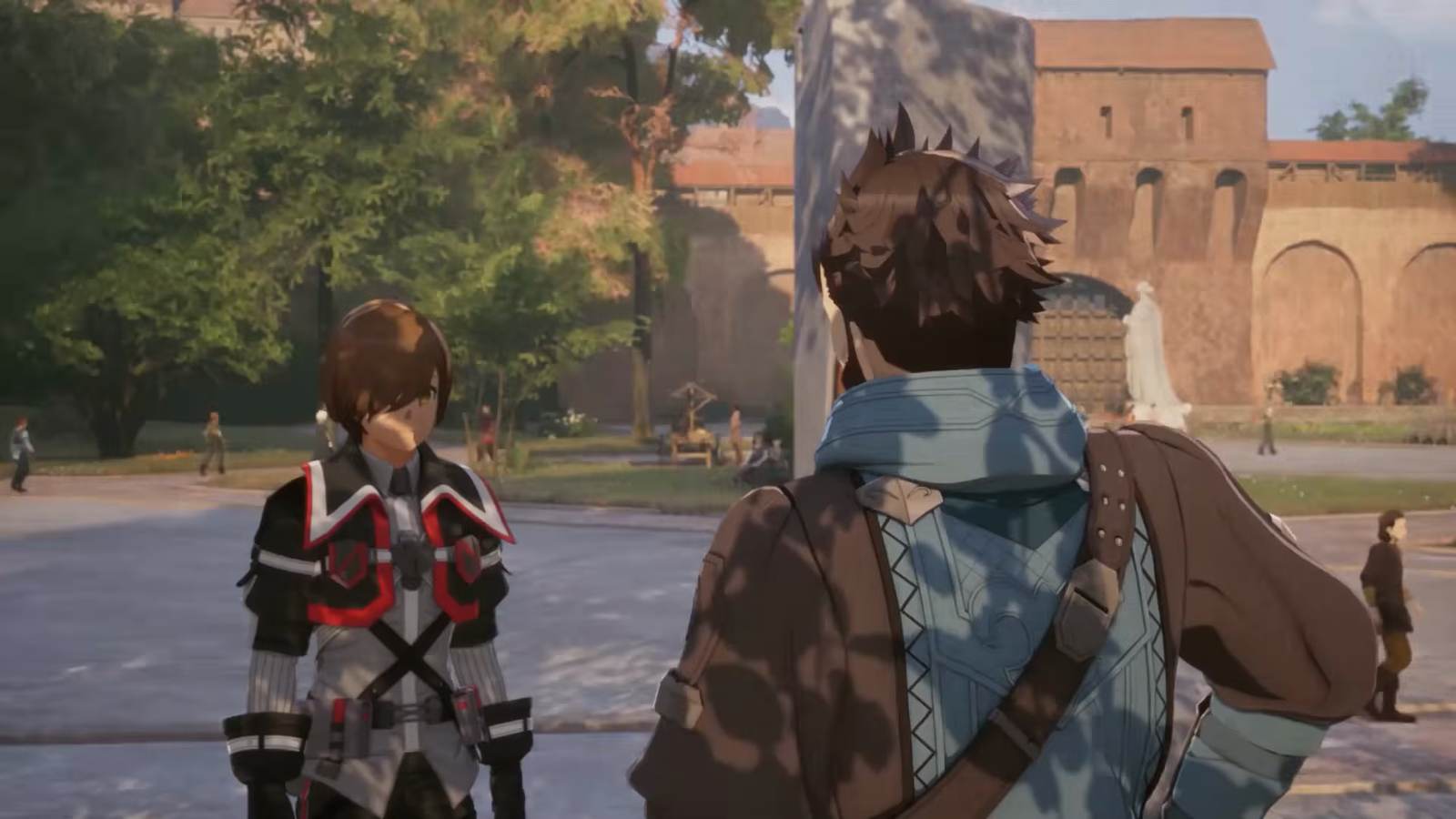
Confirmed original partners
The original characters are the roster's cleanest design signal because they are built for this game, not inherited from the anime.
| Character | Confirmed weapon | What matters |
|---|---|---|
| Iori | Sword & Shield | Your beta acquaintance and the demo's partner template. |
| Wyzeman | Mace & Shield | A veteran adventurer whose published weapon profile emphasizes shield-compatible play. |
| Zash | Two-handed Sword | A front-line swordsman Bandai Namco frames as the strongest player in the beta. |
| Musoh | — | Listed in the official Partners roster; the cited profile does not supply a weapon used by this overview. |
Iori remains the most useful early example because the demo shows her aggro sharing, Switch timing, Support Skills and Combination Skills directly. Wyzeman and Zash illustrate different partner roles through their published weapons. Musoh remains in the roster with a dash for weapon data because this overview is limited to the cited profile.
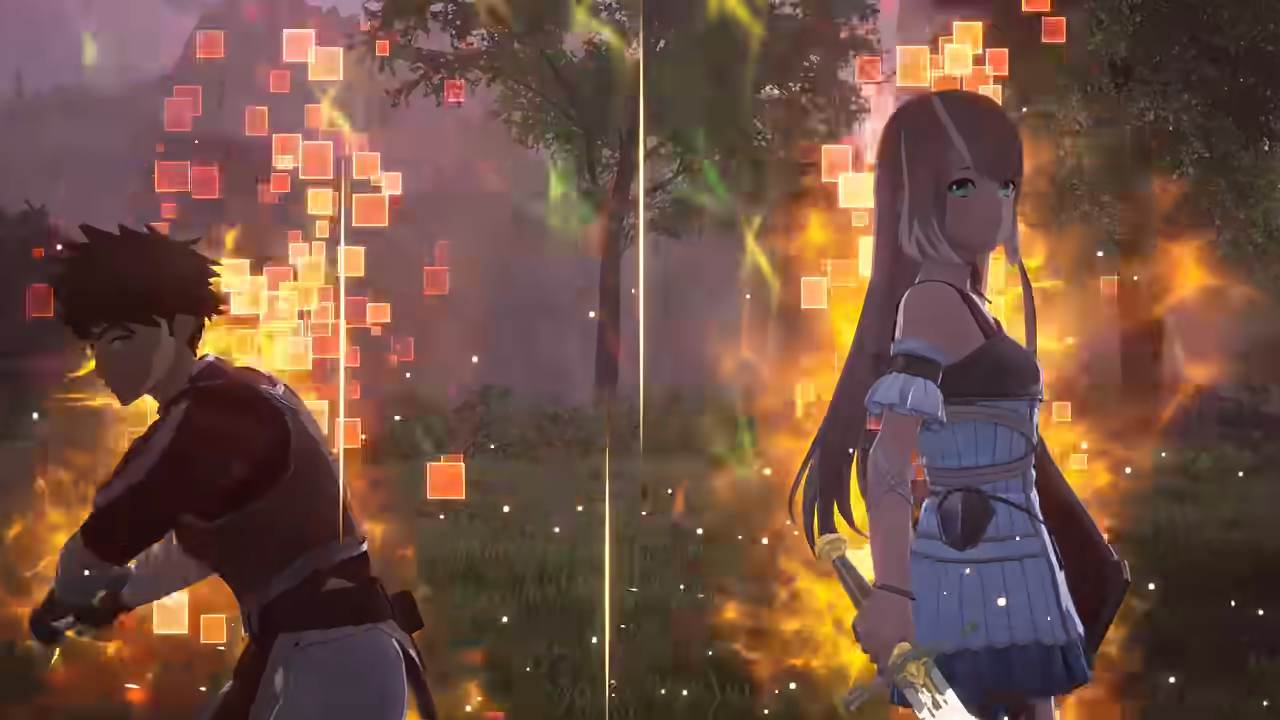
Confirmed returning partners
The returning cast is now more than "confirmed to appear." Bandai Namco's official character pages list several Aincrad-era faces under Partners, with weapon types attached.
| Character | Confirmed weapon | Editorial read |
|---|---|---|
| Kirito | Sword | The published partner profile lists Sword; this overview does not import dual-wield mechanics from franchise lore. |
| Asuna | Rapier | The Lightning Flash gives Rapier players the obvious fantasy pairing. |
| Argo | Dagger | The information broker fits a quest-heavy, discovery-heavy RPG better than almost anyone. |
| Agil | Two-handed Axe | The heavy-hitting ally and merchant archetype lines up with the axe role. |
| Klein | Sword | A steady fan-favorite Sword partner. |
| Lisbeth | Mace | The blacksmith is in the combat roster, not just the town economy fantasy. |
| Silica | Dagger | A lighter Dagger partner; Pina is treated as series context rather than a documented mechanic here. |
The official character pages establish that Kirito, Asuna and Argo are partner-roster entries rather than appearances alone. This overview therefore presents that roster status directly and keeps undocumented recruitment routes or skill values outside the table.
Partners are a combat system, not a cast list
The partner system is why the roster deserves a database, not just a lore page. A partner can hold attention, create recovery windows, enable Combination Skills and bring Support Skills into a fight. If two partners share a weapon type, the next question is not "who is famous?" It is "who solves the fight in front of me?"
For that reason, this page stops at published names, weapons and role analysis. A famous character is not automatically a stronger gameplay partner, and no ranking is inferred from popularity alone.
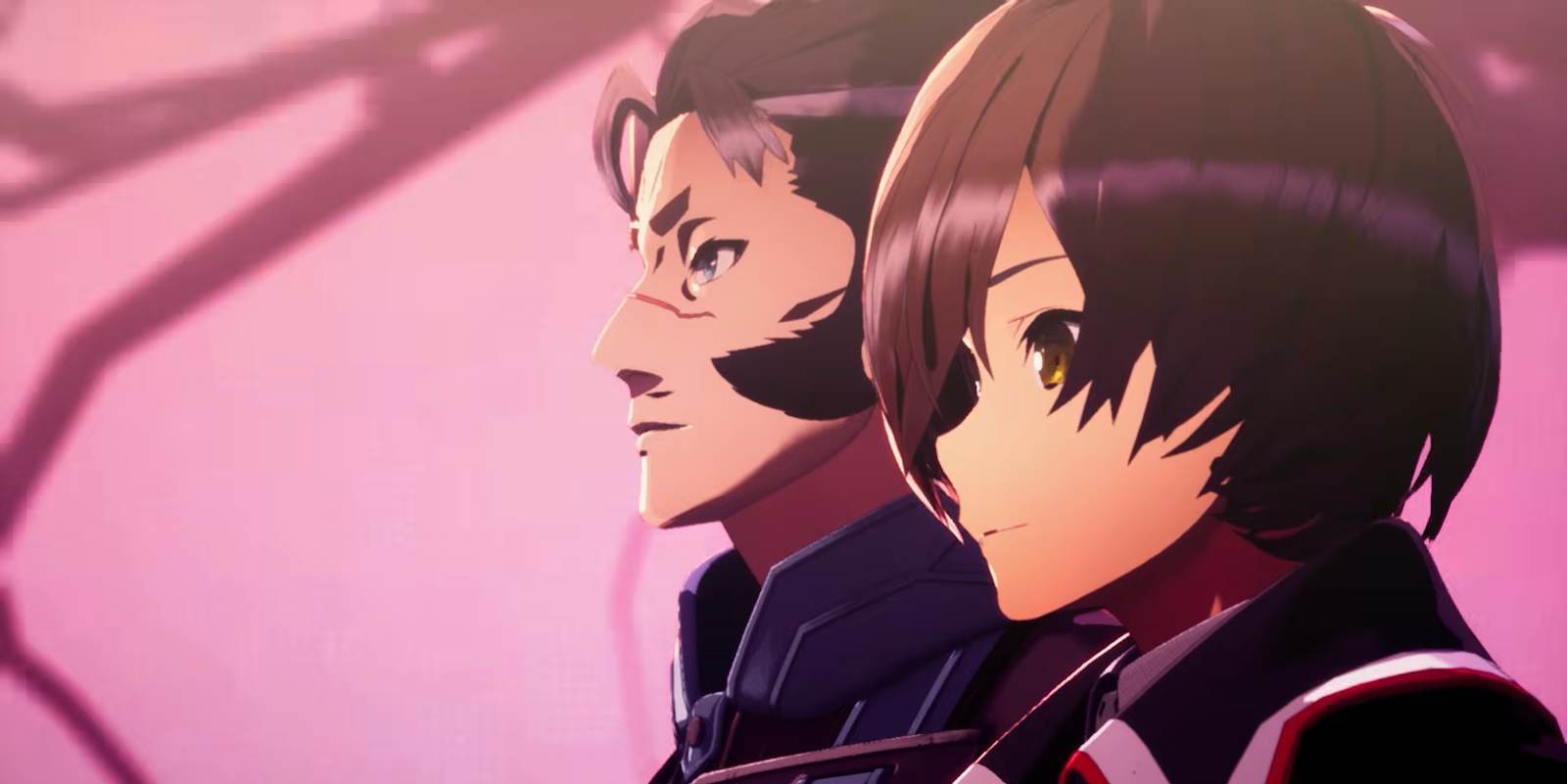
The world as a character
Aincrad itself remains the stage: serene fields, towns, checkpoints, Arks and the pressure of a death-game premise. The full game is set on the 1st and 2nd Floors, not the entire hundred-floor climb. That narrower scope makes partner variety more important; if the geography is focused, the combat pairings have to carry more of the texture.
For a structured data view, use the character database. For mechanics, start with the partner system guide and Switch, Combination & Support Skills.
How to read the roster
- Names and listed weapons are source-backed facts from the official character pages.
- Descriptions such as “heavy” or “precision” interpret the published weapon profile.
- A dash means the cited source does not supply that field; it is not an invitation to guess.
- Franchise lore provides character context but is not treated as proof of a game mechanic.
- Partner rankings require comparable in-game evidence and are outside this overview's scope.