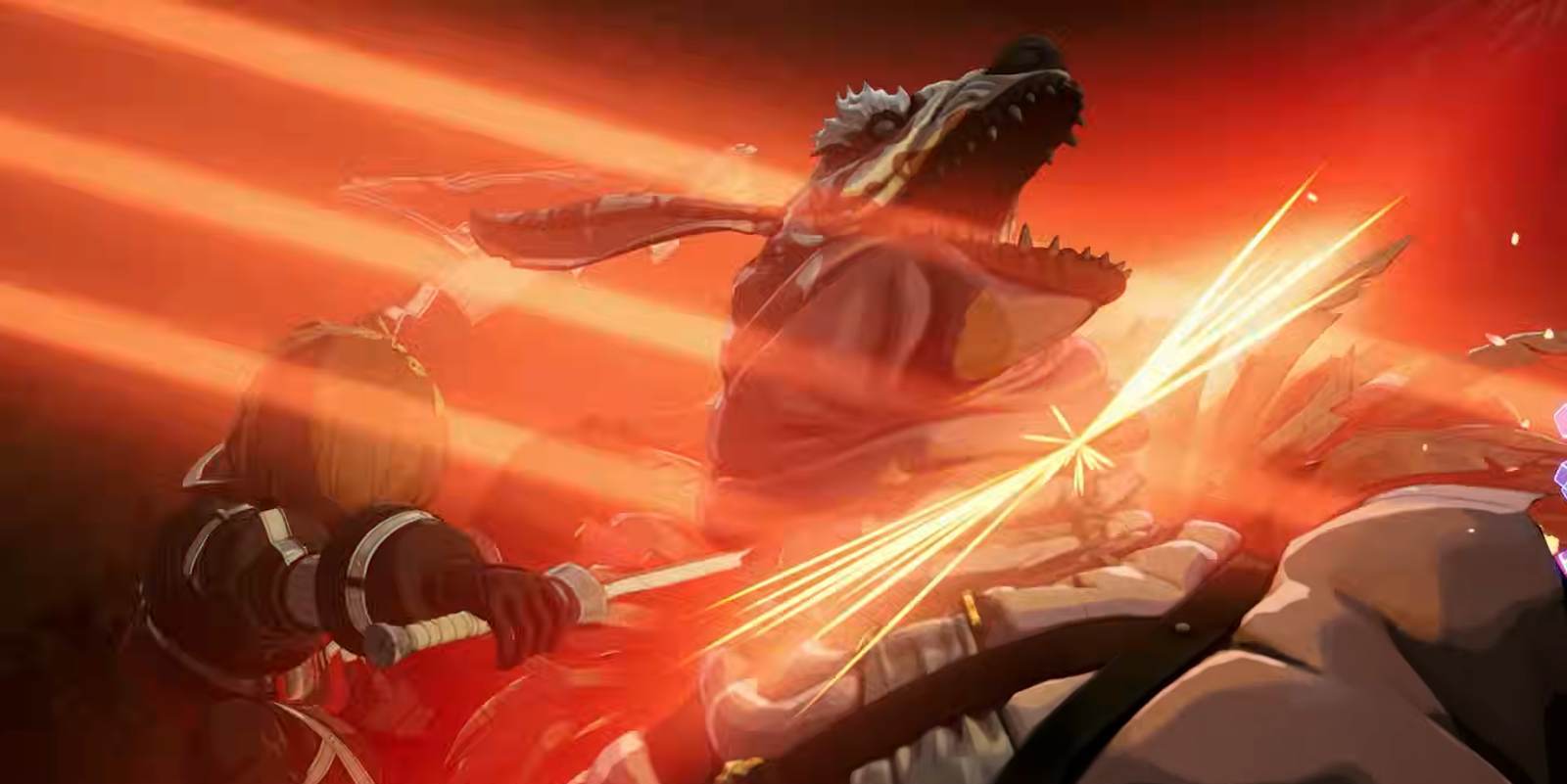
Short version: Death Game Mode is an optional campaign modifier with one rule — if your character dies, your save file is permanently deleted, and the game blocks save duplication so there's no backup trick. It unlocks after one full clear (or from day one with the Deluxe/Ultimate editions), stacks on top of any of the four difficulty levels, and rewards a very specific playstyle: durable build, deep pockets, early retreats. The franchise's original death game — the 10,000 trapped players and the helmet that won't come off — is story, not settings menu; that lives in the Death Game lore page. This page is the mode you can actually switch on.
High-stakes mode. Producer Yosuke Futami’s statements establish save deletion and anti-duplication, while Deluxe and Ultimate include early access. The official Original Sin notice documents a partner-specific black-screen workaround; review the known issues guide before committing a permadeath save.
The rule
Most games negotiate with death: a checkpoint here, a corpse run there. Death Game Mode doesn't negotiate.
- You opt in when starting a campaign — it's a decision made at the beginning, not a toggle you flip when you're feeling brave.
- On death, the save file is irreversibly deleted. Futami was explicit that the game prevents save duplication: "there is no way to duplicate the save file in question, meaning that all content has the potential to be irretrievably lost."
- It is not a difficulty level. Death Game is a modifier layered on top of any of the four difficulties — Story, Normal, Hard or Very Hard.
No workarounds. Cloud saves, manual file copies — the developers state duplication is blocked. Treat every fight in this mode as if it counts, because it does.
How to unlock it
Two routes:
- Finish the game once. Death Game is designed as a second-playthrough mode — Futami noted some enemies "can prove extremely difficult for newcomers."
- Buy the Deluxe or Ultimate edition. Both list Death Game Mode Early Unlock in their official contents; the editions comparison covers the complete bundle.
Even with the early unlock, do one normal clear first. Permadeath is only meaningful tension when death is avoidable — and it only becomes avoidable once you know the combat system. The combat guide and a full run are the real prerequisites.
Stacking with the four difficulties
Because Death Game is a modifier rather than a tier, it multiplies the four difficulty levels into four very different propositions:
| Combination | Experience | Who it's for |
|---|---|---|
| Death Game + Story | Permadeath stakes, gentle combat | First permadeath run — tension without unfair deaths |
| Death Game + Normal | The "intended" survival experience | Players with one clear who want the real Aincrad feeling |
| Death Game + Hard | Serious risk on every excursion | Confident veterans |
| Death Game + Very Hard | One mistake from a hundred hours lost | Streamers and the gloriously unhinged |
Death Game + Story deserves more respect than it gets. It recreates the psychology of the trapped players—every fight could be your last—without demanding mechanical perfection. It is the most accessible version of the franchise fantasy. Choose the starting difficulty as though it were permanent so the build and risk plan do not depend on a mid-run settings change.
Survival principles for a Death Game run
Everything below is ordinary good practice in the base game. Under permadeath, it stops being advice and becomes doctrine.
Build for survivability, not speed
Your clear time doesn't matter; your death count does — it's capped at zero. That means Vitality (HP) and Endurance (Stamina) over damage ambition, a shield-compatible weapon — one-handed sword, rapier or mace — and a partner whose kit leans healing or protective. The flashy builds are for characters that respawn.
Never fight on an empty Stamina bar
Most action-game deaths come from committing to attacks with nothing left to dodge. Adopt a hard rule: disengage at one-third Stamina, no exceptions, no greed. The Stamina system punishes overdraft everywhere; here the overdraft fee is your character.
Supplies are your real health bar
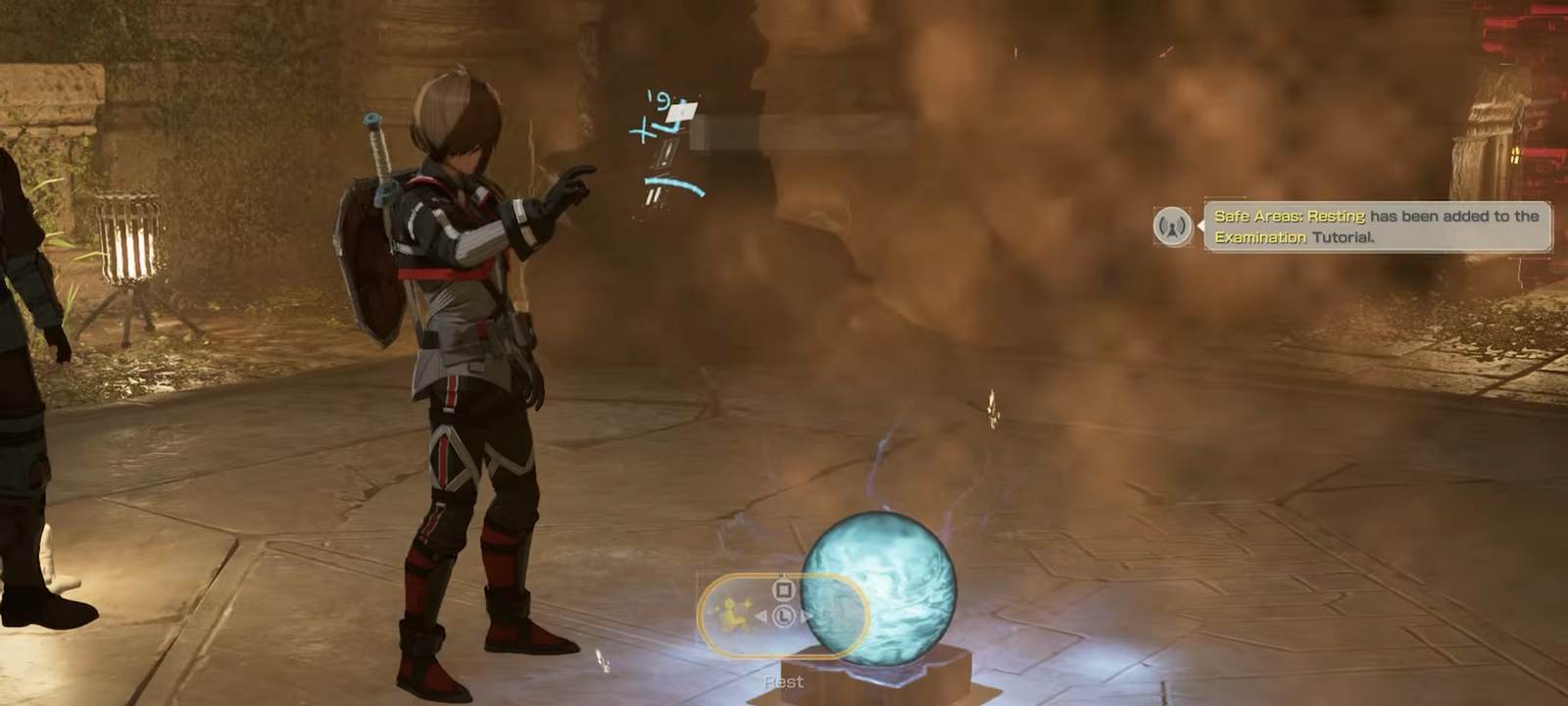
HP doesn't regenerate passively in this game — recovery is Healing Crystals, which refill at Safety Areas, plus the Healing Potions you carry. In a permadeath run, your effective HP is your Vitality plus everything in your pouch, so being over-leveled and over-stocked isn't inefficiency — it's the strategy. Full potions before every excursion, tactical items matched to what's ahead, and the discipline to treat "half-empty pouch" as a reason to turn around. The consumables guide covers the full toolkit.
Route through Safety Areas — and respect the Ark line
Exploration has a structure you can lean on: checkpoints reveal the surrounding map, Safety Areas restore your crystals and let you regroup, and Arks — the boss and elite arenas — have no shop inside and no retreat once the fight starts. That last rule is the single most important line in a Death Game run: crossing an Ark threshold is the one moment the game takes the retreat option away from you. Reveal the area first, anchor on Safety Areas, and never trigger an Ark until your supplies, gear and nerve are all topped up. Full details in the checkpoints & Arks guide.
Retreat is a win condition
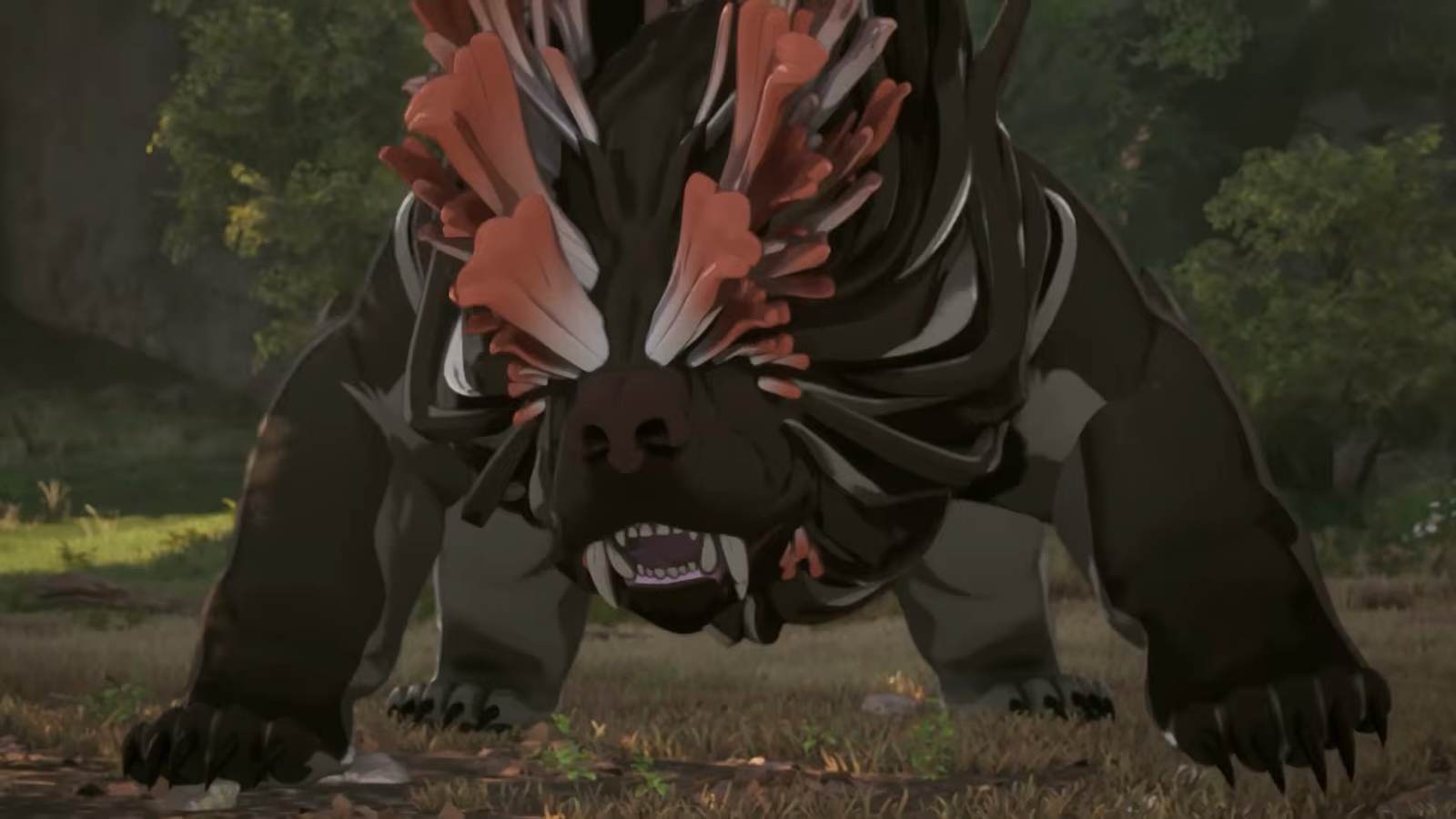
If a fight starts going wrong, leave. Not "one more attempt at the opening" — leave. The floor will still be there tomorrow; your save won't be if you stay. Players who survive hardcore modes in other games share one habit: they abandon more fights than they lose. Boring is the highest compliment a Death Game run can earn.
Respect every first encounter
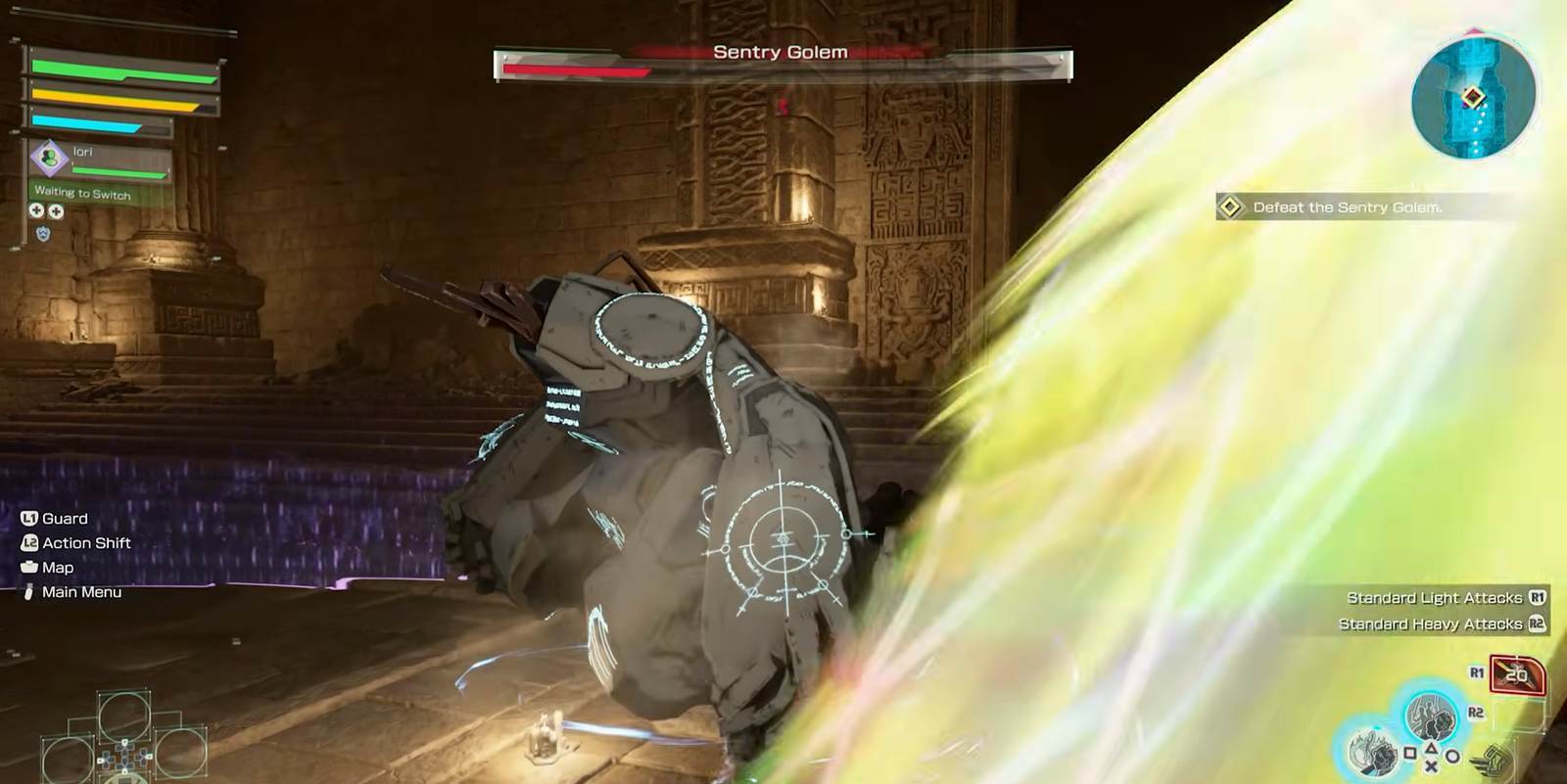
New enemy type, new arena, new floor — assume everything you haven't personally seen can kill you, and play first encounters at maximum caution. The game's roster runs from field fodder up through the Sentry Golem, the Raging Boar and Illfang, and in this mode every one of them gets exactly one chance to surprise you. Don't donate it.
Who it's for (and who it isn't)
Play it if you've cleared the game once, you liked the combat enough to want it to mean something, and the idea of a fight with real stakes excites you more than it stresses you. The mode's whole product is adrenaline honestly earned — the closest a game has come to making the franchise's premise a felt experience rather than a plot summary.
Skip it — without shame — if you're on your first playthrough, if your play sessions are tired-evening sessions, or if losing forty hours to a lag spike would sour you on a game you otherwise love. An optional mode you never touch is a feature, not a failing; the base campaign on any difficulty is the same game with respawns.
Rules this strategy does not assume
- A separate permanent-loss rule for partners
- A mid-run difficulty change while the modifier is active
- A backup, cloud-save or duplication recovery route
- An achievement, cosmetic or New Game+ reward for clearing the mode
None of those assumptions is necessary for the survival plan on this page. The advice rests on the documented player-save deletion rule, ordinary combat systems and conservative preparation.
FAQ
Does Death Game Mode really delete your save file?
How do you unlock Death Game Mode?
Is Death Game Mode a separate difficulty?
Can your partner die in Death Game Mode?
Is Echoes of Aincrad a soulslike?
Where to go next
Planning a permadeath run? Pick a survival-friendly class in the starting weapon ranking, choose your base difficulty in the difficulty guide, stock up via the consumables guide—and for the story behind the mode's name, read the Death Game lore page.
Sources
- Producer Yosuke Futami interview statements on Death Game Mode (save deletion, anti-duplication, second-playthrough intent)
- Bandai Namco — Gameplay Mechanics Explained (difficulty levels, recovery and exploration systems)
- Bandai Namco — Starter Guide
Unlock details cross-checked against announced edition contents. Gameplay frames captured from the demo and official demo trailer; player-captured footage credited in each caption.