Short version: Stamina pays for almost everything you do — attacks, dodges, guards, sprinting — and refills when you ease off. SP pays only for Sword Skills and refills when you land hits. Win the fight by never fully emptying Stamina (you always want a dodge in reserve) and by spending SP in safe windows instead of hoarding it. If you haven't yet, read the combat system overview first — this page goes deep on just these two gauges.
Evidence basis. Behaviour is drawn from Bandai Namco’s Gameplay Mechanics and Starter guides and the playable demo. The recommendations use observable combat rhythm rather than undocumented gauge, drain or recovery values.
Stamina: the shared action budget
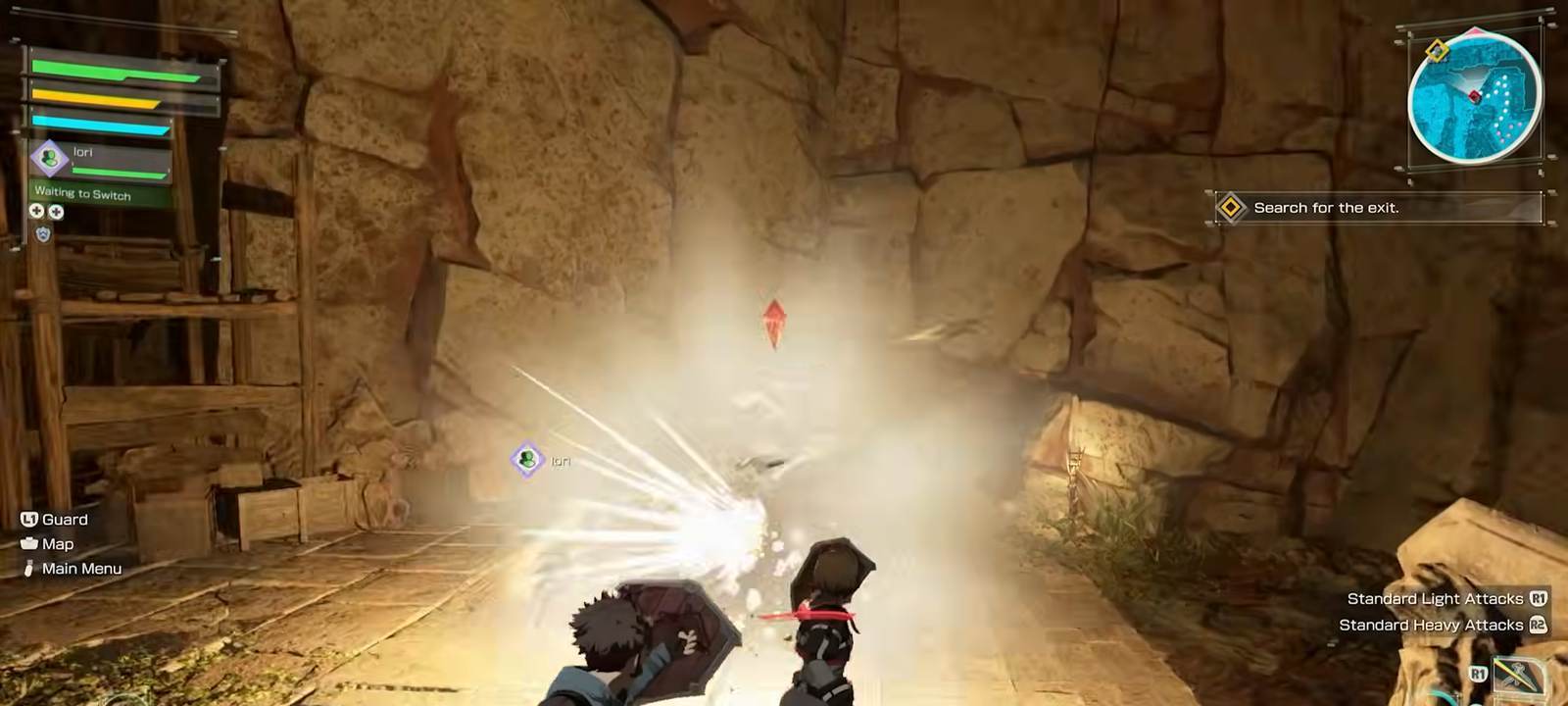
The single most important fact about Stamina is that it is one shared pool for offense and defense alike. Light attacks, heavy attacks, dodges, shield guards and sprinting all draw from the same bar. That design choice is deliberate, and it's the reason you can't play Echoes of Aincrad like a button-masher: every attack you throw is a dodge you might not have later.
Stamina recovers on its own whenever you stop spending it — a second of not attacking or sprinting starts refilling the bar. So the rhythm the game wants from you is bursty rather than constant: commit a short string of hits, then back off and let Stamina breathe while you read the enemy. Empty the bar completely and you enter the danger state the mechanics guide warns about — "your actions and abilities become limited" — meaning no dodge, no sprint, no attack until it recovers. Against a boss winding up a big move, that empty bar is how runs end.
The reserve rule
Adopt one habit above all others: never spend your last sliver of Stamina on offense. Always keep enough in the tank for one dodge. A useful mental model is to treat the bottom third of the bar as "defense only" — attacks come from the top two-thirds, and the reserve exists purely to get you out of trouble. Players who internalise this stop taking the cheap hits that come from being caught mid-swing with an empty bar.
What raises your Stamina ceiling
Two things widen your Stamina headroom. The first is the Endurance attribute, which directly increases the size of your Stamina pool — the more you invest at the Inn via Growth Points, the more actions you can chain before hitting the reserve. The second is your weapon type: a dagger sips Stamina in small, fast increments, while a two-handed axe spends it in big, committed chunks. That's why the weapon guide lists a "stamina profile" for each type — it's really a measure of how forgiving that weapon is to swing. A heavy weapon on a low-Endurance build is the fastest way to feel starved for Stamina; pairing a committal weapon with Endurance investment is how big-weapon players stay solvent.
Stamina is more than your attacks
It's easy to think of Stamina as an attack meter, but three non-attack drains catch players out. Guarding costs Stamina — holding a shield against a hit isn't free, so a defensive build can starve itself by blocking everything instead of dodging what it should. Dodging costs Stamina, which is the entire reason for the reserve rule above. And sprinting costs Stamina — including the sprint you use just to cross the map. That last one has a hidden consequence: sprint to a boss door and you can arrive at the Ark with a half-empty bar, and there's no shop inside to reset. Walk the last stretch, or pause to let the bar refill before you trigger the fight. Treating Stamina as a single budget for everything you do — not just swinging — is what separates players who feel in control from players who feel starved.

SP: the skill budget you earn by fighting
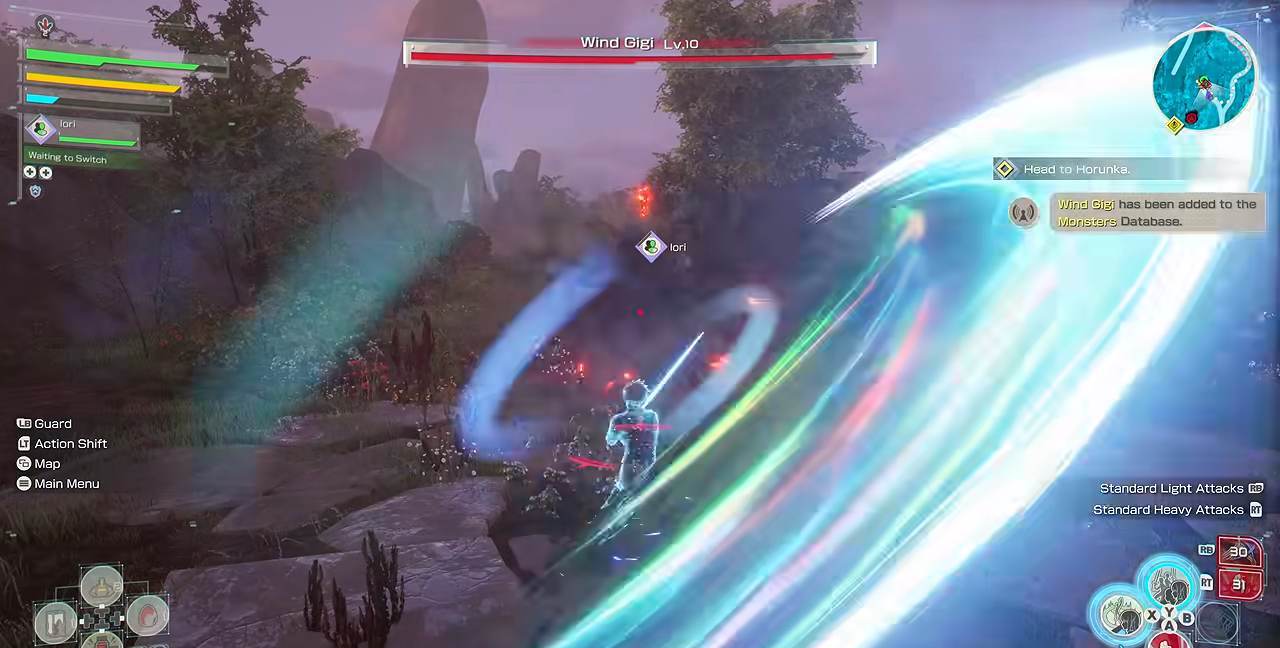
SP is a completely separate resource, and it powers only your Sword Skills — the scripted, high-damage special attacks you can equip up to three of at a time. The crucial rule is how it refills: SP builds primarily by landing attacks on enemies. It is not a cooldown that ticks up while you hide. This flips the usual "manage your resource by being cautious" logic on its head — here, playing aggressively (safely) is what fuels your biggest hits.
That creates a virtuous loop when you do it right: land normal attacks to charge SP, spend SP on a Sword Skill during a safe window, and the damage you deal keeps the meter flowing for the next one. It also creates a trap. Hoarding SP is a mistake. A full SP bar is doing nothing for you; the skill you're saving "for the right moment" is damage you're not dealing. Unless you're deliberately holding a specific skill for a boss's stagger window, spend SP as you generate it. If you're ever desperate, a consumable potion can top up SP directly — useful in a long fight where the enemy gives you few openings to attack.
The Mind multiplier
If you're building around Sword Skills, the Mind attribute is the quiet force multiplier: it raises "the effectiveness of your SP abilities." On a skill-focused build, points in Mind make every Sword Skill you land hit for more, which — because SP is earned by attacking — compounds with an aggressive playstyle. It's the stat that turns "I use skills sometimes" into "skills are my damage." Pair Mind with a weapon whose skill set you like and you have the backbone of a burst build. The full attribute breakdown is in the character creation guide.
Reading both bars at once
Advanced play is really just watching two gauges instead of one. Here's the decision tree that plays out, moment to moment:
- Stamina high, SP high: your best state — pressure the enemy, land hits, and cash a Sword Skill the instant you have a safe window.
- Stamina low, SP high: back off to recover Stamina, but you can still fit a single well-timed Sword Skill if the opening is clean, since skills cost SP, not Stamina.
- Stamina high, SP low: throw normal attacks to rebuild SP; you have the Stamina to stay in the fight and charge the meter.
- Both low: disengage. Dodge to safety, let Stamina refill, and consider a partner Switch to buy time. Trying to fight through an empty double-bankruptcy is how you eat a combo.
Notice that SP and Stamina pull you in the same direction — toward staying aggressive but never reckless. The whole system is tuned so that the patient, in-and-out fighter both survives longer and deals more skill damage than the masher. That's not a coincidence; it's the point.
Common mistakes
- Mashing until empty. The classic error — throwing one attack too many and eating a hit you had no Stamina to dodge. Keep the reserve.
- Sprinting everywhere. Sprint shares the pool. Arriving at a fight with a half-empty bar because you ran there is a self-inflicted disadvantage.
- Hoarding SP. A capped SP bar is wasted resource generation. Spend it.
- Guarding heavies you should dodge. Blocking still costs Stamina, and against big committed attacks a dodge is cheaper and safer. Save the guard for telegraphed sweeps — more in the defense guide.
- Ignoring the traversal sprint. The sprint you use to cross the map shares the same bar as combat — don't dash into a boss arena already gassed.
FAQ
What drains Stamina in Echoes of Aincrad?
How do you regain SP?
What happens when Stamina runs out?
Which stats increase Stamina and SP?
Where to go next
Turn SP into damage with the Sword Skills guide, spend Stamina wisely on defense in the parry & dodge guide, and set your Endurance and Mind in the character creation guide.
Sources
Gameplay frames captured from the Echoes of Aincrad demo; player-captured footage credited in each caption.