Short version: Echoes of Aincrad has six weapon types — one-handed sword, two-handed sword, two-handed axe, dagger, rapier and mace — and only three of them (sword, rapier, mace) can hold a shield. This page is the concept layer: what each type feels like, what you're trading, and how to think about the choice. Want all six ranked for a first playthrough? That's the best starting weapon guide. Want the raw side-by-side stats? That's the weapons database. In-depth builds for each type are linked in every section below.
Based on the demo build. Weapon types, shield rules and skill names are confirmed from the official Weapon Overview and Bandai Namco’s guides. Handling descriptions come from demo play; damage numbers and full skill lists are unpublished, so nothing below pretends otherwise.
Every weapon answers the same three questions
Because combat runs on the HP / Stamina / SP triangle, a weapon isn't a damage number — it's a policy for spending Stamina. Every type in the roster is a different answer to three questions:
- How often do you commit? A dagger spends Stamina in small sips and gets constant chances to change its mind. An axe spends it in big non-refundable chunks — every swing is a promise you have to keep.
- Where do you stand? Reach decides your home distance: the rapier fights at the tip of its point, the dagger practically in the enemy's inventory, the two-handers in a wide arc all their own.
- What saves you when you're wrong? A shield, a roll, a thrown blade, or nothing but your own spacing — every weapon has a different answer, and it shapes how scary your mistakes are.
Read the six profiles below through those three questions and the roster stops being a menu of flavors and becomes what it actually is: six different relationships with risk.
The shield rule — and what everyone else gets instead
The single most consequential line in the weapon rules: only the one-handed sword, rapier and mace can equip a shield. A shield is a genuine second defensive layer — guarding and parrying instead of committing to a dodge — and it's simply unavailable to half the roster. The other three types get compensations rather than protection: the dagger is the only weapon that can be thrown, giving it a ranged option nothing else has, and the two-handed sword swaps the quick sidestep for a long roll — more distance per dodge, less precision. The defense guide covers how each toolkit changes your reads; the table below is the short form.
| Weapon | The trade you're making | When you're wrong, you… |
|---|---|---|
| One-handed sword | Top-end power for consistency | Raise the shield |
| Rapier | Raw impact for spacing control | Raise the shield (rare for a reach weapon) |
| Mace | Speed for durability | Raise the shield and answer back |
| Dagger | Reach and defense for pure speed | Disengage — or throw the blade |
| Two-handed sword | Recovery time for huge arcs | Roll, and roll far |
| Two-handed axe | Mobility for maximum impact | Should have swung sooner |
One-handed sword — the reference point
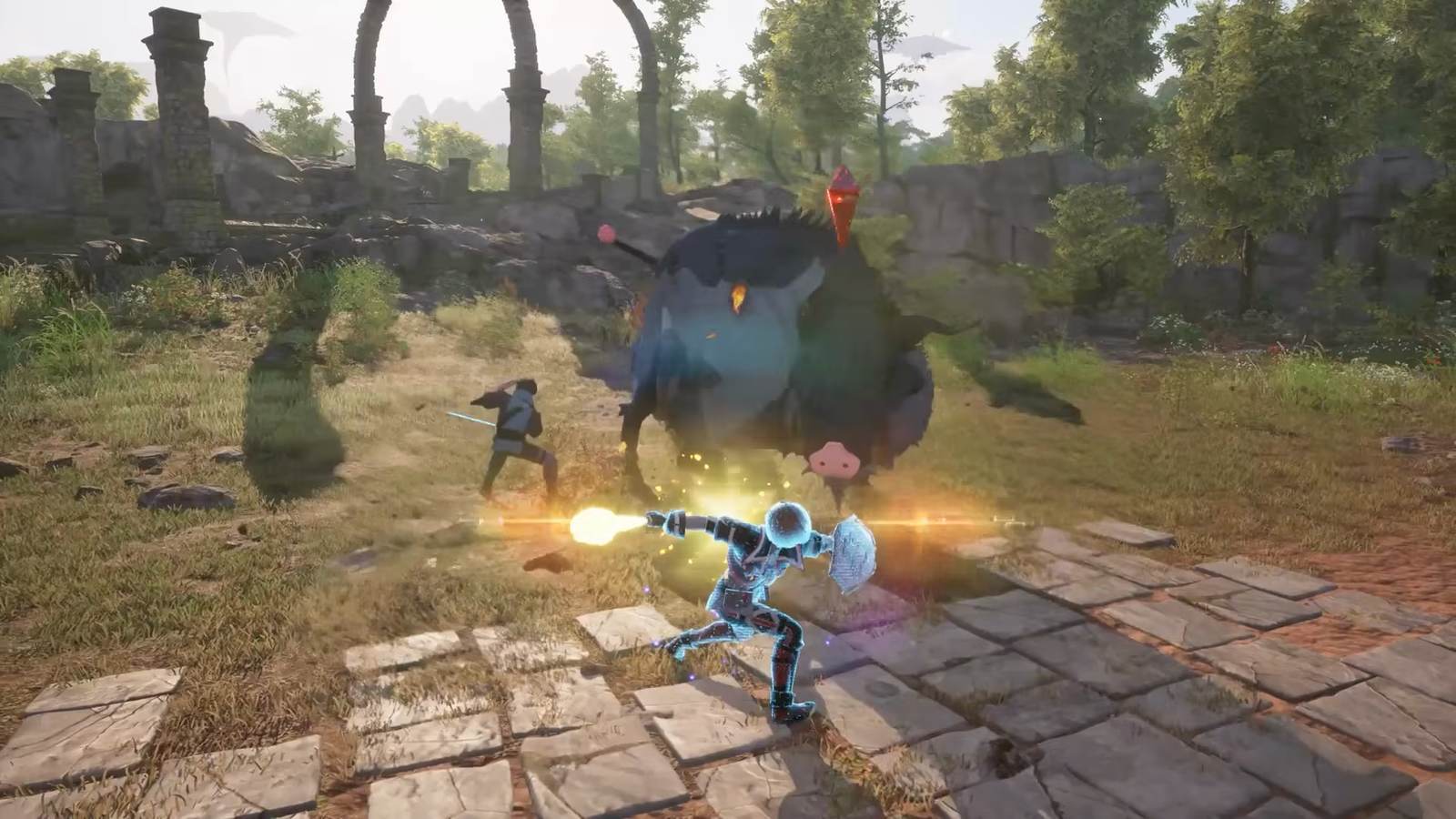
The franchise's signature blade, and the roster's control group: moderate speed, moderate reach, shield access, and confirmed skills — Sharp Nail, Rage Spike, Horizontal Quad Slash — that cover a quick opener, a burst and a multi-hit finisher. Nothing about it is extreme, which is precisely the point: it's the weapon that lets you learn the combat system without the weapon itself adding difficulty. Every other type in this list is best understood as a deliberate departure from what the sword does. If a fight goes wrong with the sword, it was your read — with everything else, it might be the weapon's trade-off showing. The one-handed sword build guide covers stats, matchups and a starter loadout.
Rapier — spacing as a lifestyle
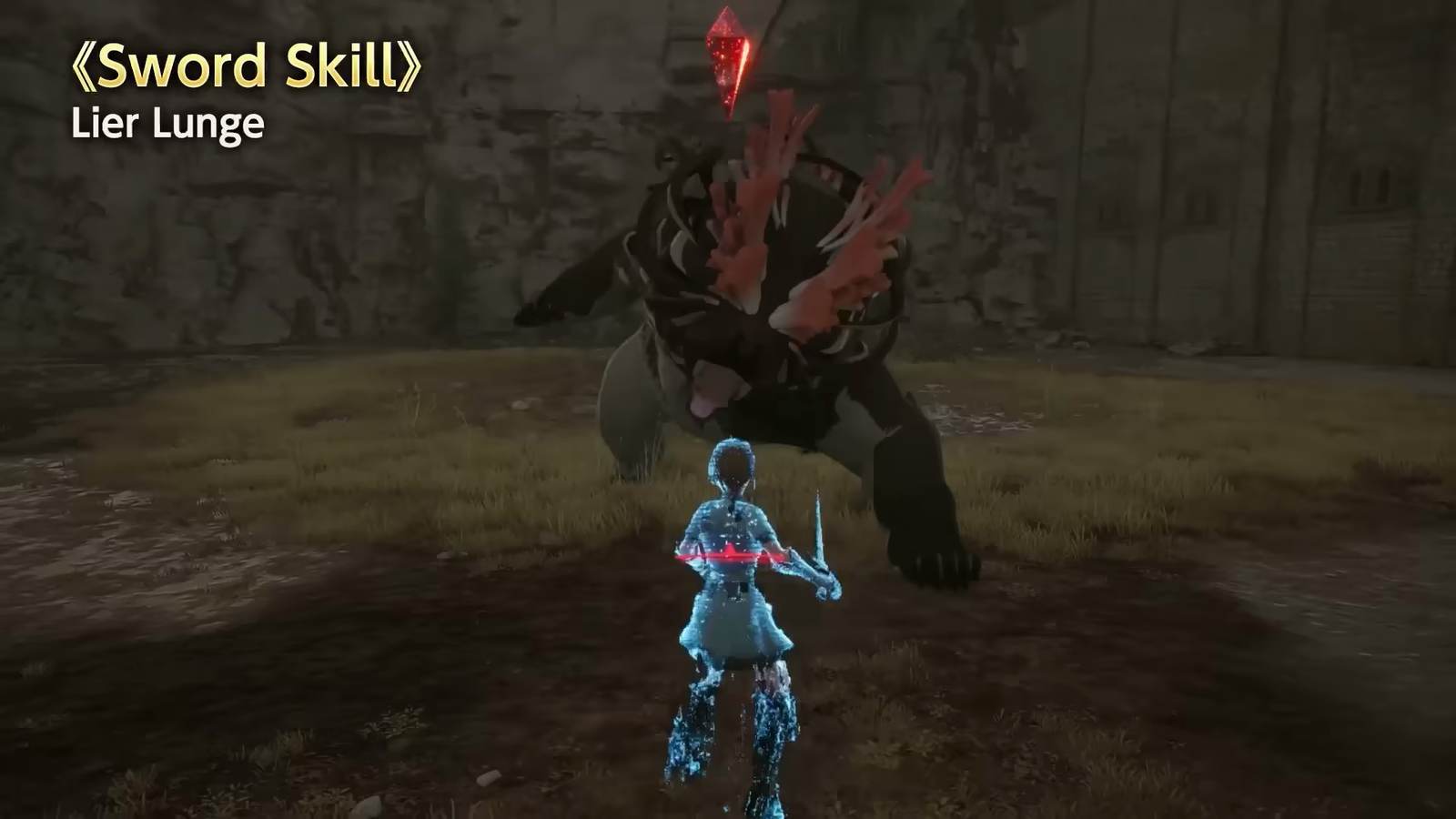
The rapier turns distance into a weapon. Its confirmed skills — Lier Lunge, a linear thrust that strikes from maximum range, and Cyclone — reward living at the exact edge of your reach, where your point lands and enemy swings die a few centimeters short. What makes it unusual is that this precision game comes with a shield: normally a reach weapon asks you to accept fragility as the price of distance, but the rapier keeps a guard button for the moments your spacing math fails. The cost is raw impact — you win by accumulating precise hits, not by changing the fight with one. It suits players who enjoy control more than spectacle. Full breakdown in the rapier build guide.
Mace — durability with a point to prove
The third shield weapon, and the one nobody puts in a trailer thumbnail. The mace trades the sword's speed for blunt authority: its confirmed skill, Wave Bash, is a defense-breaking impact built to stagger armored targets — the golems and shelled enemies that shrug off sharper blades. Playing it feels less like fencing and more like negotiating from a position of strength: raise the shield, take the exchange, answer harder. It's slower than the sword and it will never look elegant, but it gives you the clearest job description in the roster — stand your ground, break what's armored — and clarity is worth a lot while you're learning. The mace build guide makes the full case.
Dagger — speed without a seatbelt
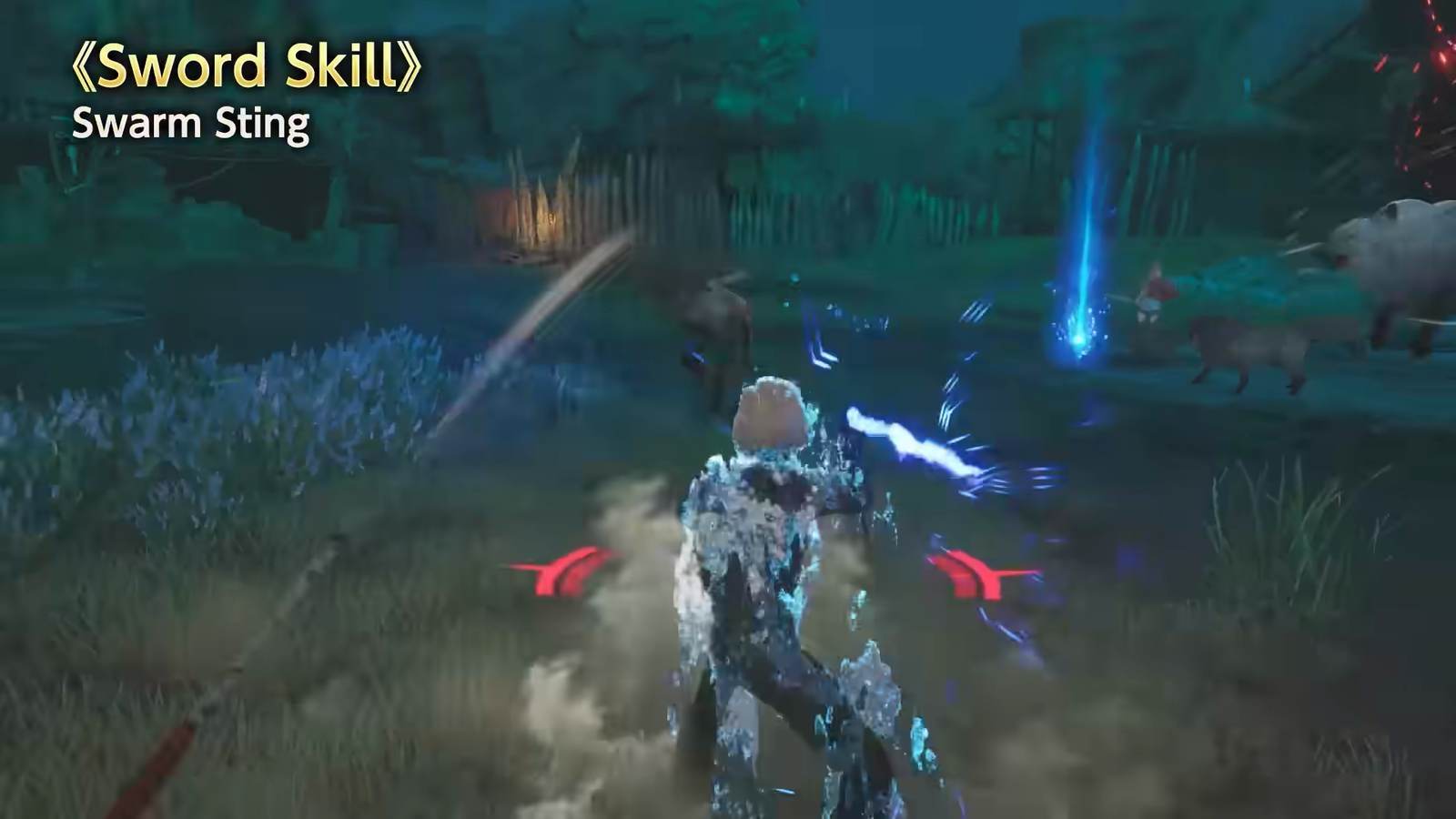
The dagger deletes reach and defense from the equation, spends everything on attack speed, and adds the roster's only ranged trick: thrown blades. Its confirmed skills — Rapid Bite, Swarm Sting, Emerald Edge — are all flurries and bursts, built for a rhythm of darting in, landing a handful of hits and fading out before the counter arrives. Because each attack costs so little Stamina, the dagger gives you more decisions per fight than anything else, and every one of them is yours to get wrong: no shield stands between a greedy combo and the consequences. It's the type for players who want the fight to feel like it's moving at their speed — and who can accept that the safety net is made of their own discipline. Details in the dagger build guide.
Two-handed sword — the committed arc
The first step into two-handed territory, where the shield disappears and your dodge becomes a long roll. The two-handed sword's confirmed skills — Brave Leap, a gap-closing strike, and Meteor Strike — tell you what it's for: closing distance and ending exchanges emphatically. Its wide arcs are the roster's most natural crowd answer, but each swing is a real commitment in a Stamina system: a whiffed heavy is a dodge you no longer own. The roll compensates with distance — you escape further than any sidestep — at the price of precision repositioning. It rewards players who read enemies before swinging rather than while swinging. The two-handed sword build guide covers how to make the commitment pay.
Two-handed axe — maximum consequence
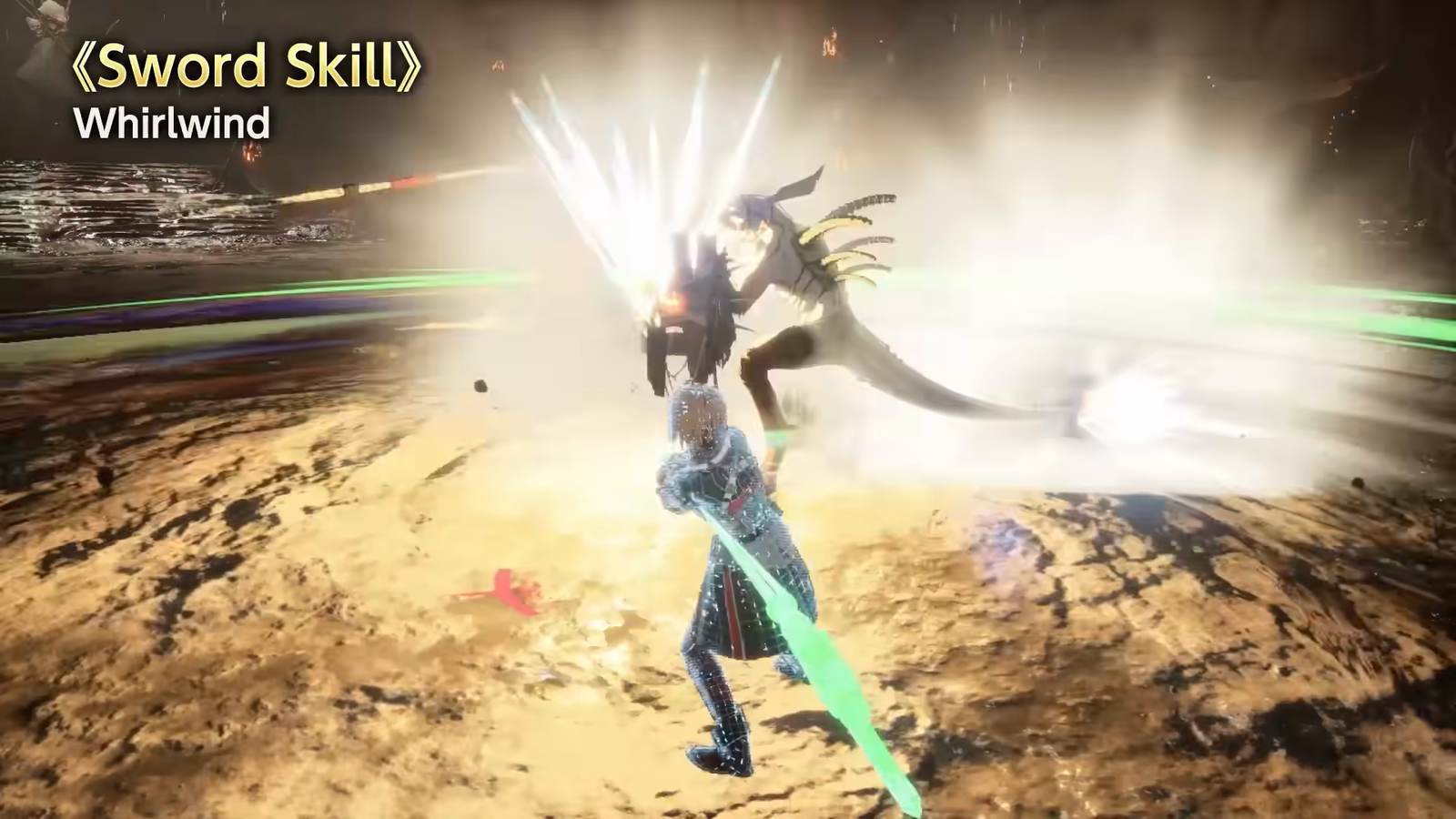
The axe is the roster's extreme: the biggest single impacts, the widest Guard Break power, the worst mobility. Its confirmed skill, Whirlwind, is a wide defense-shattering spin — the move you bring to a crowd or an armored elite and simply resolve the situation. Everything about the axe assumes you were right: right about the opening, right about the spacing, right about having the Stamina to finish. When you are, nothing else in the game feels as decisive; when you're not, no weapon punishes you harder. It's the ceiling on the roster's commitment axis, best picked up after the combat rhythm is second nature. The two-handed axe build guide explains how to earn it — including why your partner choice matters most here.
How to choose (without a tier list)
A ranking answers "which is safest" — that's the best starting weapon guide's job. Choosing what to main is a different question, and it comes down to which trade-off matches your instincts:
- If you panic, do you block or move? Blockers belong with a shield weapon — sword, rapier or mace. Movers should look at the dagger or the two-handers.
- Do you want many small decisions or a few big ones? Many: dagger, rapier. Few: axe, two-handed sword. Both in moderation: sword, mace.
- Which mistake can you live with? Getting caught over-extended (dagger), whiffing a committed heavy (two-handers), or winning slowly (mace)? Your least-hated failure mode is a better compass than any damage stat.
Then test the answer for free. All six types are playable in the demo, your demo progress transfers to the full game, and Sword Skills unlock per type as you build weapon experience — so proficiency in your eventual main starts compounding from your very first session. One practical note: because proficiency develops per type, a mid-game switch starts cold. Experiment early, commit once it clicks, and let your stat spread and partner choice lean into whatever you settle on.
Where to go deeper
This page is the map; the territory is in the dedicated guides. Each type has a full build guide — one-handed sword, rapier, mace, dagger, two-handed sword and two-handed axe — covering stat pairing, boss matchups, EX-Mod priorities and starter loadouts. The weapons database holds the side-by-side comparison table, the Sword Skills database lists every confirmed skill in one place, and the Sword Skills guide explains how the skill system itself works. New to all of it? Start with the beginner's guide and come back when someone asks what you main.
FAQ
What weapon types are in Echoes of Aincrad?
Which weapons can use a shield in Echoes of Aincrad?
Which weapon type is best?
Can you switch weapon types later?
Does the dagger have a ranged attack?
Sources
Weapon types, shield compatibility, thrown-dagger and roll mechanics, and named skill examples come from the official Weapon Overview and Bandai Namco's guides, cross-checked against the playable demo. Handling impressions are labeled editorial observations. Gameplay frames come from the official Weapon Overview and demo trailer.