Short version: the two-handed axe is Echoes of Aincrad's stagger specialist — huge Guard Break power via Whirlwind, ideal against armored and shielded enemies, at the cost of the worst mobility in the game. It wants Strength for impact and heavy Endurance and Vitality to cover its lack of escape options. Full stats and confirmed skills are in the weapons database; this page is the build and matchup layer on top.
Build method. Weapon identity and named skills come from the official Weapon Overview. Stat direction, matchups and EX-Mod priorities are qualitative recommendations derived from the axe’s documented impact, limited mobility and stamina demands; they are not numerical scaling claims.
The stagger specialist
The axe's confirmed skill, Whirlwind, tells you everything: a wide spinning swing built to Guard Break and hit a whole group at once. Where the two-handed sword is about one huge single-target hit, the axe is about breaking defenses and clearing space — the weapon of choice against anything armored, shielded, or arriving in numbers. That specialization is also its limit: against a single fast, mobile target with nothing to break, the axe's strengths go mostly unused, and you're left carrying its weaknesses without the payoff.
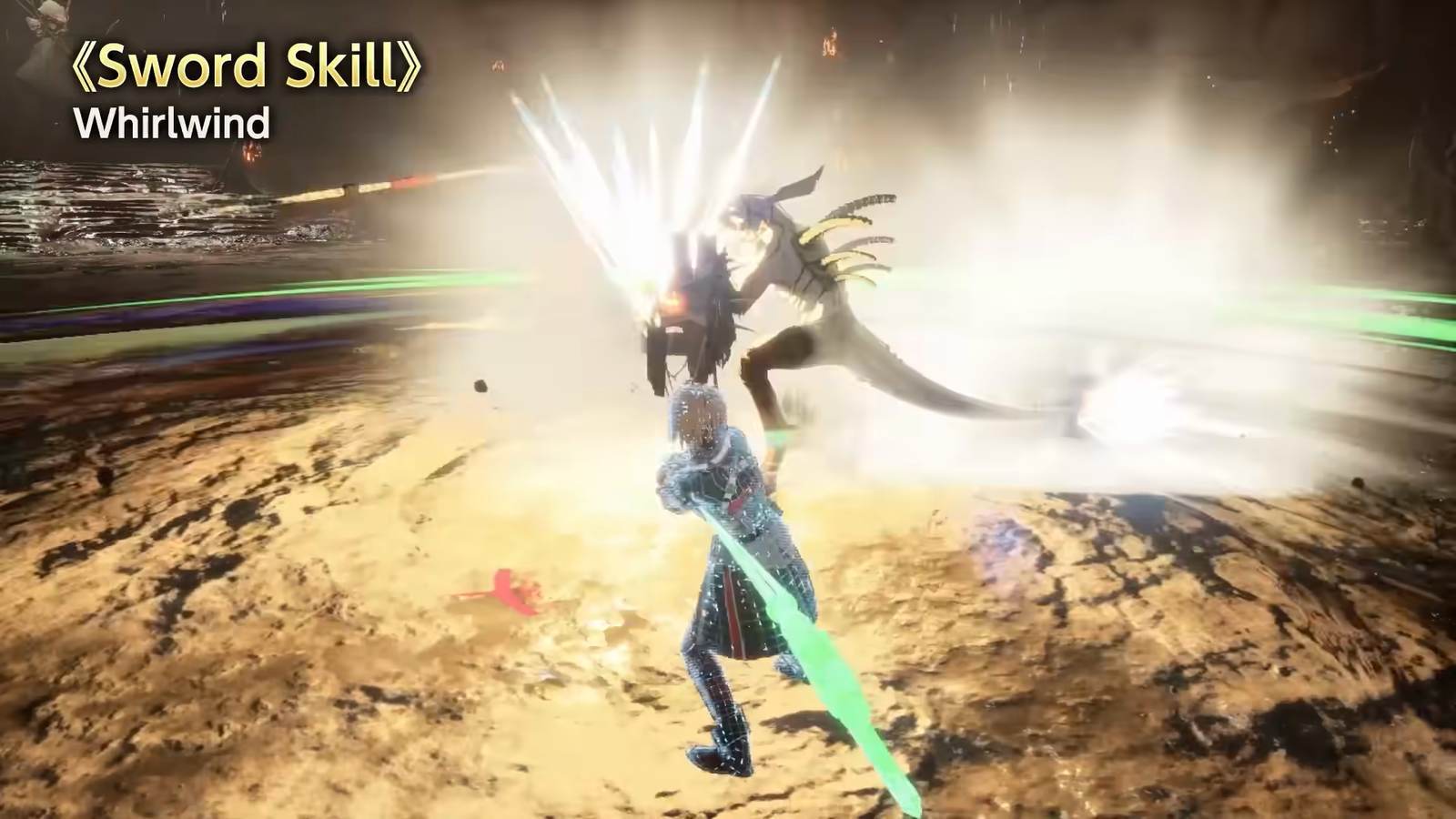
The worst mobility in the game, and how to cover it
Every axe build has to solve the same problem: you cannot dodge your way out of trouble the way any other weapon can. That makes positioning proactive rather than reactive — you don't wait for a bad spot and then escape it, because escaping isn't really available. Instead, plan your footing before an exchange starts: fight with your back to open space, not a wall or a corner, and treat every commitment to a swing as a decision you can't take back if it goes wrong. This is the single biggest adjustment a player switching from a faster weapon needs to make, and skipping it is why the axe has a reputation for feeling clunky rather than powerful.
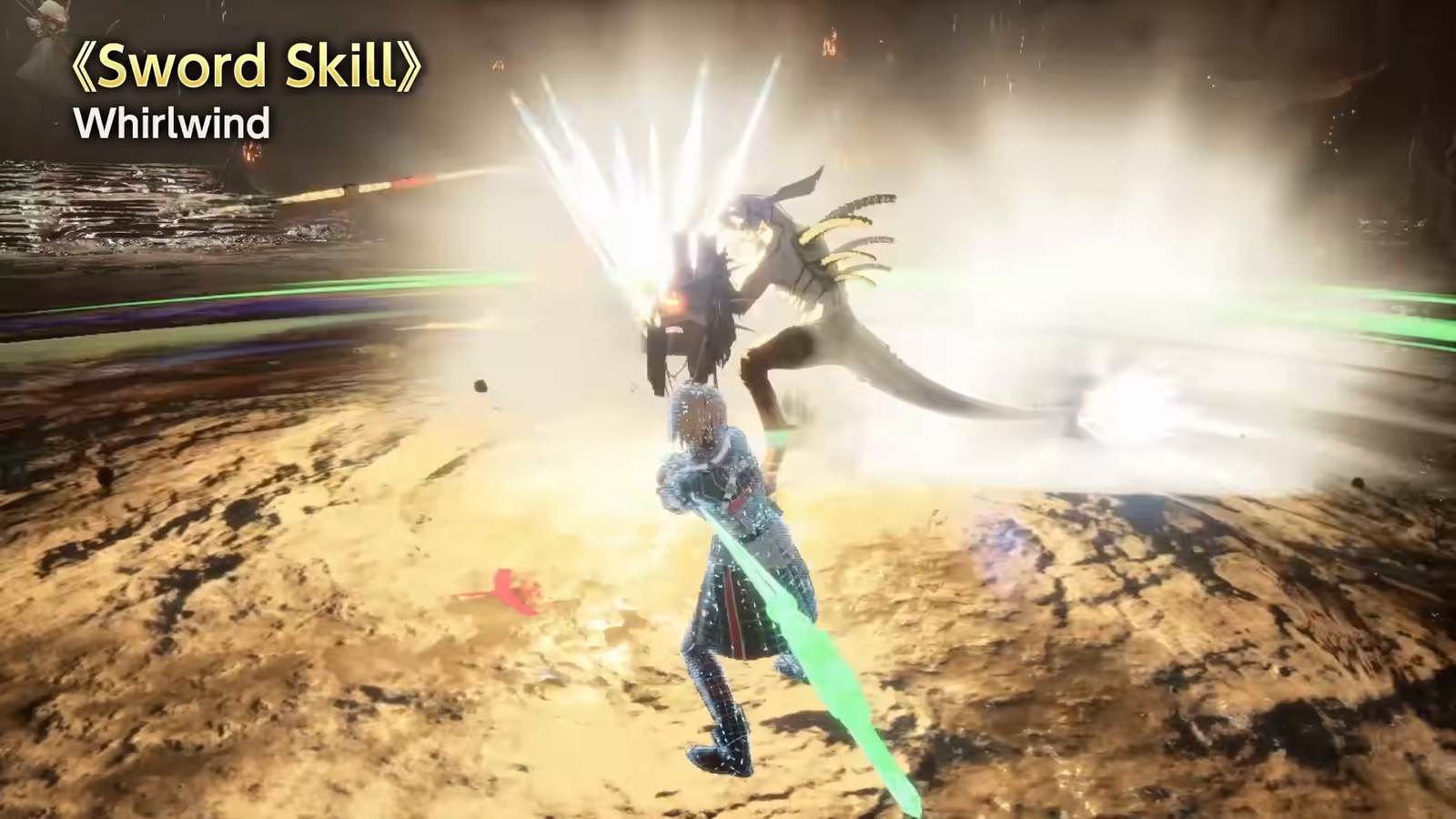
A specialist, not a generalist
It's worth being blunt about what the axe is not: it is not a good "default" pick the way the one-handed sword is. Its entire kit is built around a specific problem — armored, shielded or grouped enemies — and outside that problem, you're carrying a slow, immobile weapon for no particular reward. That's not a criticism; specialist weapons are supposed to be lopsided. The judgment call is knowing when you're in the axe's problem space and when you're not, and switching mentally (or literally, at the Inn) when a fight calls for something else. Bringing the axe to a fast, unarmored single-target duel is a self-inflicted handicap, not a stylistic choice — and knowing that in advance is most of the weapon's learning curve.
Stat pairing
Lead with Strength to reinforce the weapon's heavy-impact identity; this is a playstyle recommendation rather than a hidden-scaling claim. Because mobility is limited, Vitality supplies a buffer for unavoidable mistakes. Endurance is the third pillar, since Whirlwind and heavy swings both draw deeply from the shared Stamina pool.
Matchup against the demo's bosses
- Sentry Golem: the axe's best matchup by far. A slow, armored, poorly-tracking target is exactly what Whirlwind and heavy charged swings are built for — circle to its back and this fight becomes close to a demonstration reel for the weapon.
- Illfang the Kobold Lord: the hardest matchup of the three. His faster pace and wide sweep punish poor mobility directly, so this fight demands you commit to swings only on very clear reads and lean on your partner more than usual to cover your positioning.
- Raging Boar (field elite): mixed. The charge is a big, obvious tell that rewards a well-timed heavy counter-swing, but a follow-up you can't escape is exactly the axe's nightmare scenario — respect the recovery window on both sides of the exchange.
EX-Mod priorities
Stamina-cost reduction is the highest priority here, for the same reason as the two-handed sword but doubled by the axe's already-heavy demands: every point of relief buys you another safe swing. A close second is anything that improves recovery speed, since your vulnerable window after a swing is the direct consequence of your missing mobility — shrinking that window is functionally the closest thing to giving the axe a dodge. Attack-boost effects matter less; the weapon's damage identity is already strong, and its survivability is the actual bottleneck — chasing more damage on a weapon that already one-shots its intended targets solves the wrong problem.
Partner pairing
This is the weapon where partner choice matters most in the entire roster. Pair the axe with a partner who can hold aggro or control crowds, since your own mobility can't do either job. Leaning on the Switch proactively — tagging your partner in before you're in trouble, not after — effectively rents you the escape option the weapon itself doesn't have. Treat your partner as the axe's missing dodge button, not an optional bonus.
Launch partners to test first: Iori and Wyzeman are the cleanest defensive-cover candidates, while Klein gives you a Sword partner who may cover pressure without becoming another slow two-hander. Agil is a Two-handed Axe partner, but double-axe pairing is a risk until his Support Skills prove he can cover your immobility instead of duplicating it.
Starter Sword Skill loadout
With Whirlwind as the only skill confirmed so far, it's the obvious anchor — save it for packs or Guard-Break windows against armored targets rather than firing it on cooldown. Until more axe skills are confirmed, build your other two slots around your weapon-agnostic priorities: a fast opener if one becomes available, and a defensive or repositioning option to partially compensate for the weapon's missing dodge.
How it compares to its closest alternative
The two-handed sword is the natural comparison — similarly heavy and committal, but built around single-target burst rather than Guard Break and crowds, and it at least keeps a (longer) dodge roll where the axe has none. If you're drawn to the axe's crowd-clearing power but the mobility cost feels too harsh, the sword is the closest thing to "the same philosophy, slightly safer." If you specifically need to break armor or shields, nothing else in the roster matches the axe, and no amount of stat investment on a different weapon replaces that role.
Reading a fight before you commit to it
Because retreat mid-fight isn't really an option, the axe pushes its real decision-making earlier than any other weapon — before the fight starts, not during it. That means actually looking at what you're walking into: is this enemy armored or shielded (axe's ideal target), is it fast and singular (axe's worst matchup), is there a second threat nearby that could catch you mid-recovery? A two-handed sword or dagger player can walk into most fights and adapt on the fly; an axe player who does the same is gambling on the enemy cooperating. The upside is that this pre-fight judgment becomes second nature quickly, and once it does, the axe stops feeling risky and starts feeling like the correct answer to a very specific, very common problem: things that don't fall down easily. That mental shift — from "my default weapon" to "my answer to a specific kind of enemy" — is really the whole axe build in one sentence.
Common mistakes
- Treating positioning as reactive. By the time you need to escape, the axe usually can't. Plan your footing before you commit, not after.
- Using it against fast, unarmored single targets. This is the axe's worst matchup shape — its strengths go unused and its weaknesses are fully exposed.
- Neglecting your partner. More than any other weapon, this one needs a partner actively covering the mobility it doesn't have.
FAQ
Is the two-handed axe good in Echoes of Aincrad?
What stats work best with the two-handed axe?
Is the two-handed axe good against bosses?
Where to go next
See the full stat block in the weapons database, plan Vitality and Endurance in the stats guide, and learn to lean on your partner's Switch before you need it.
Sources
Gameplay frames captured from the official Weapon Overview and demo; player-captured footage credited in each caption.