Short version: quests in Echoes of Aincrad are fought as a team of two: your avatar plus one partner. Bandai Namco's official roster includes Iori, Wyzeman, Zash, Musoh, Argo, Kirito, Asuna, Agil, Klein, Lisbeth and Silica. This guide uses their published roles and weapon labels to explain build synergy without turning undocumented skill values into a tier list.
Guide scope. This is a systems and pairing guide, not a numerical partner ranking. It covers the official roster, one-partner quest structure, equipment, tactics and practical weapon-role combinations.
The confirmed partner roster
| Partner | Confirmed weapon | Build read |
|---|---|---|
| Iori | Sword & Shield | The demo template: steady, readable and central to learning Switch timing. |
| Wyzeman | Mace & Shield | The shield-minded option by weapon profile; the official label does not assign a tank role. |
| Zash | Two-handed Sword | High-commitment damage fantasy; official copy frames him as a top beta player. |
| Musoh | — | Official partner entry; the cited roster does not provide a weapon profile used by this guide. |
| Argo | Dagger | Fast, information-broker flavor; a natural fit for discovery-heavy play. |
| Kirito | Sword | The published partner profile lists Sword; franchise dual-wielding is not used as a gameplay assumption here. |
| Asuna | Rapier | The cleanest weapon-fantasy match on the roster. |
| Agil | Two-handed Axe | Heavy weapon profile suited to an offensive-pressure pairing. |
| Klein | Sword | Shared weapon type with Kirito means skills/tactics must be the differentiator. |
| Lisbeth | Mace | Published Mace role; no crafting or support passive is inferred from franchise lore. |
| Silica | Dagger | Shares Dagger with Argo; Pina is treated as series lore rather than a mechanic in this comparison. |
For the data-first version of this list, use the character database. This guide focuses on how to think about the partner slot when you are building your own character.
Iori: the partner you learn through
Iori remains the most important early example because the demo puts her beside you immediately. She is not a hireling or a generic AI escort; she is a story character, a closed-beta acquaintance, and the first demonstration of how partner combat works. She holds attention, creates recovery windows, helps trigger team attacks and gives the Switch system a reason to exist.
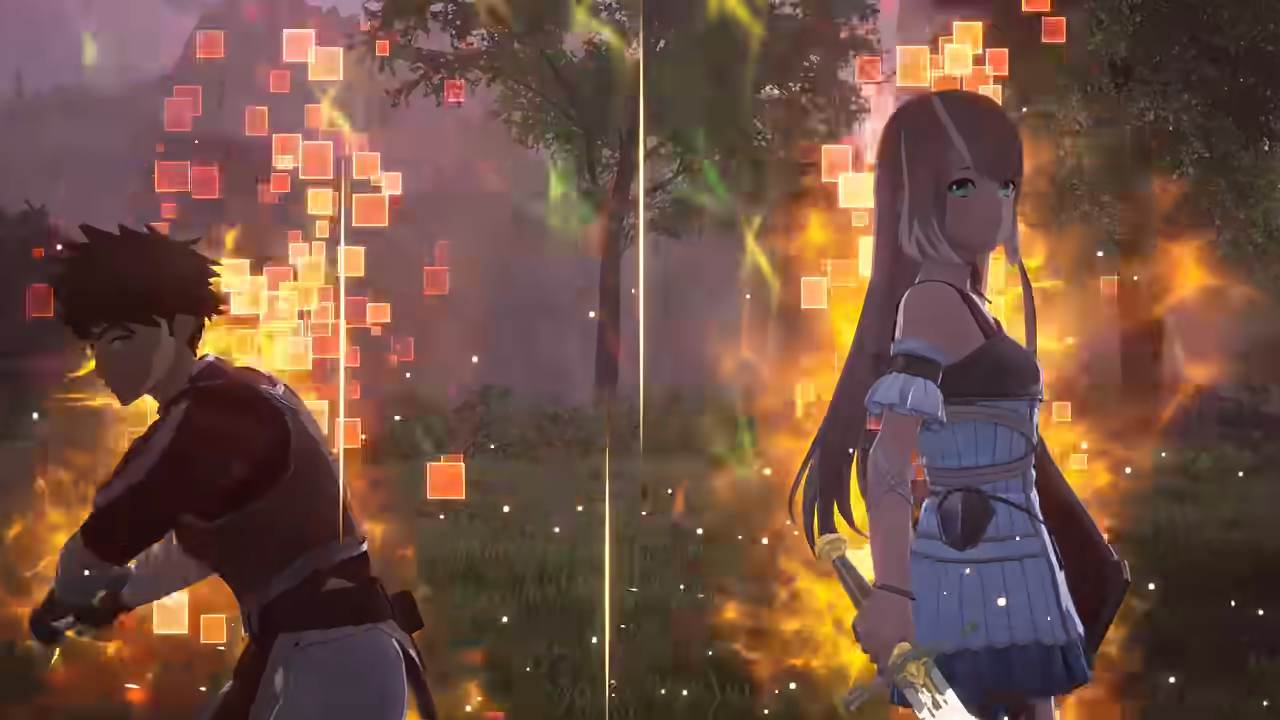
What the system confirms
- One partner per quest - you choose one companion, not a full party.
- Unique support kits - partners bring Support Skills and team tools.
- Combination Skills - partner synergy can become burst damage, not just passive backup.
- Adjustable tactics - partner behavior is something you tune, not merely watch.
- Customizable equipment - your partner is a second character to invest in.
The practical takeaway: a partner is not an accessory. A weak partner choice is a bad build decision wearing a friendly face.
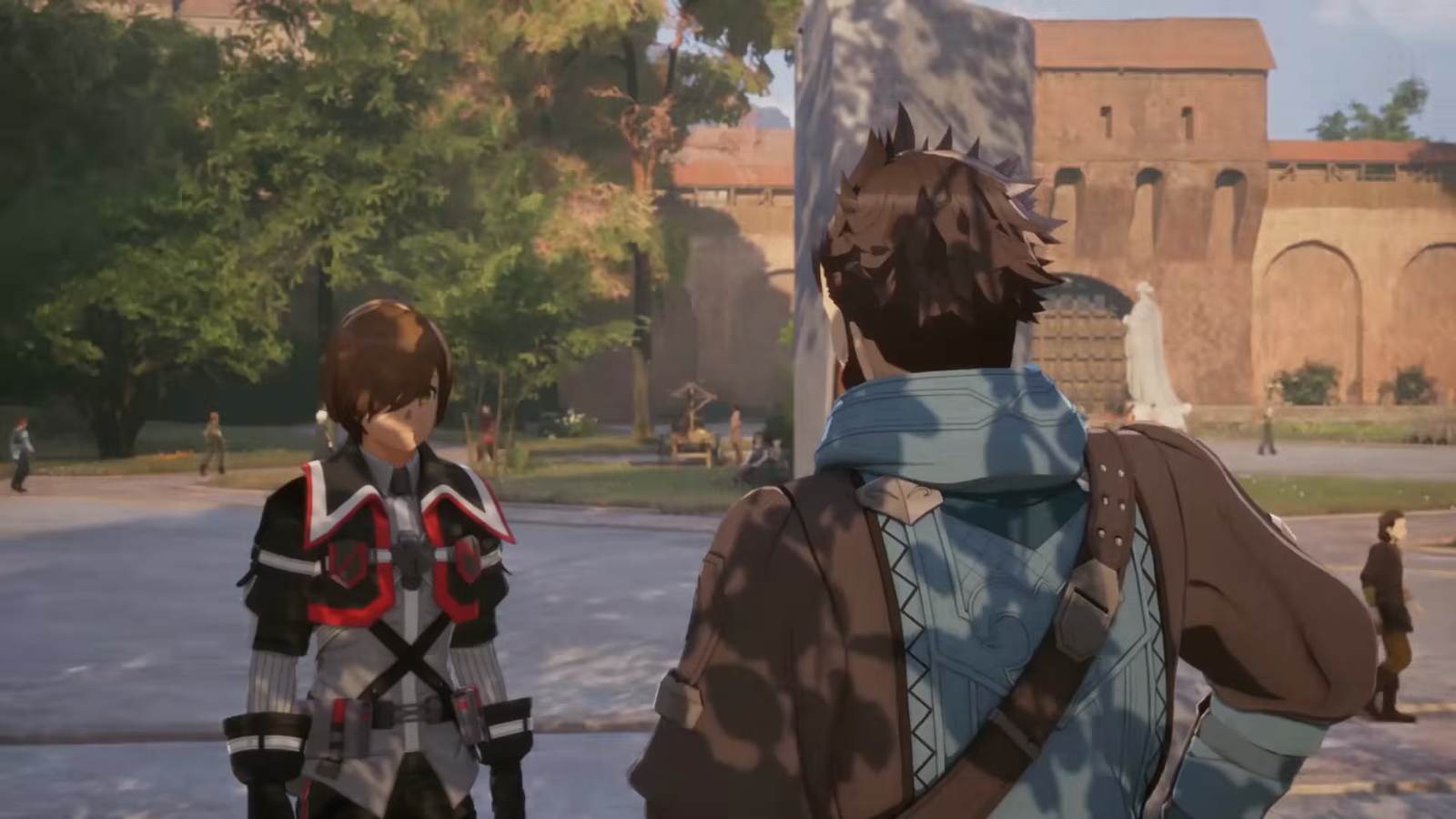
Why your partner is half your build
Because exactly one partner accompanies you, the useful rule is simple: your partner should either cover your build's biggest weakness or double down on its biggest strength. That gives you two pairing styles.
Compensation pairing
A fragile, aggressive build brings damage; the partner keeps the run alive. This is the safer template for Dagger, Rapier or heavy weapons with long recovery windows, especially if you are thinking about Death Game Mode.
Amplification pairing
A durable, self-sufficient build does not need rescuing. It needs fights to end faster. A sturdy Sword & Shield or Mace player can often justify a more offensive partner because their own kit already handles survival.
| Your weapon | Partner role to test first | Why |
|---|---|---|
| One-handed sword | Offensive | Your shield already buys safety; the partner should help finish fights. |
| Mace | Offensive or utility | Durability lets you convert partner pressure into faster clears. |
| Rapier | Support / buffs | Precision builds want uptime, sustain and clean openings. |
| Dagger | Aggro holder | You need someone creating windows while you weave in and out. |
| Two-handed sword | Defensive / control | Long recovery windows need cover; you already bring the punish. |
| Two-handed axe | Aggro / control | The partner is effectively your missing safety valve. |
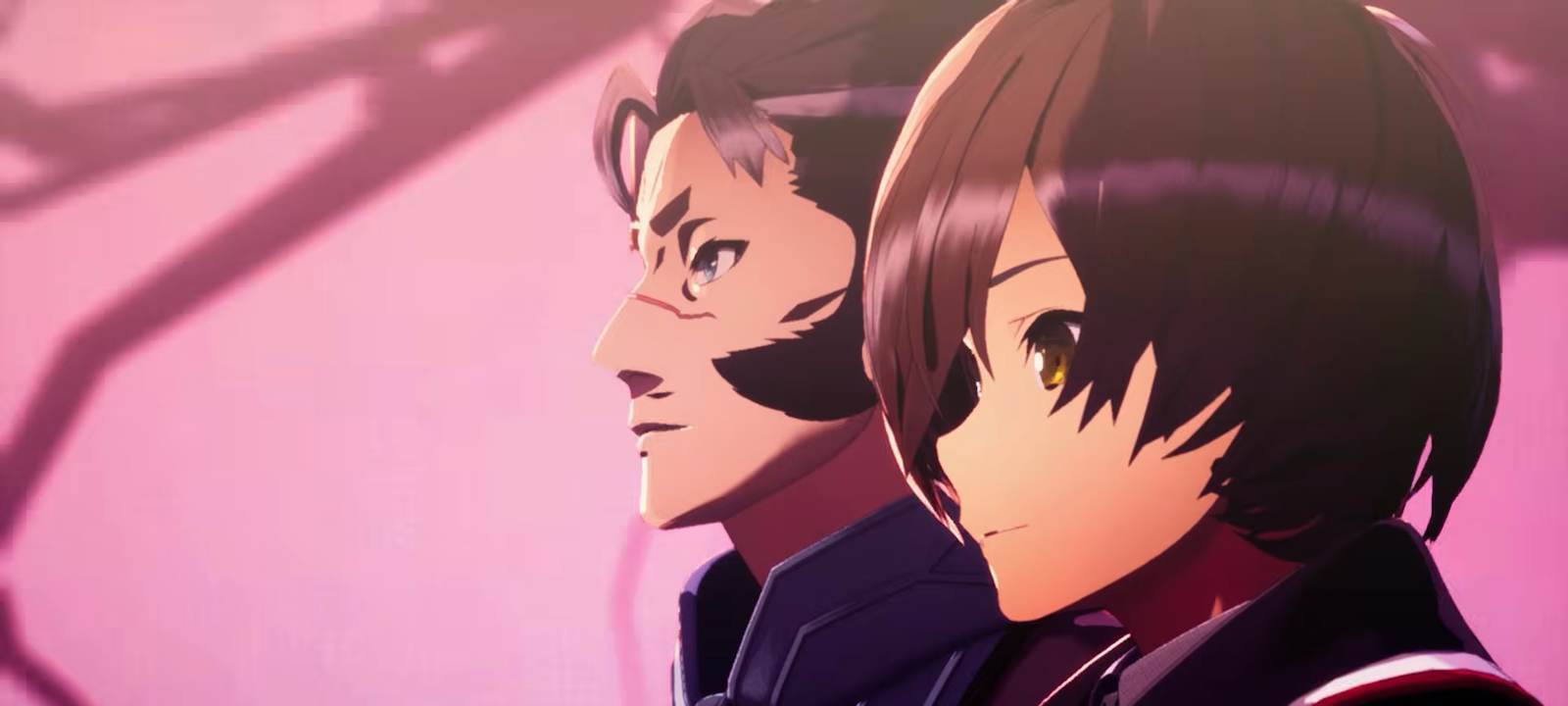
Partner equipment: budget for two characters
Partner equipment is customizable, which means partner power scales with investment. When you spend Col and materials at the Smithy, budget for two characters. It is tempting to pour everything into your own weapon and treat the partner as free labor. Boss fights tend to expose that kind of thrift.
Use a conservative upgrade rule: keep your active partner's weapon and survivability within one upgrade cycle of your own. A partner who falls behind or fails to hold pressure may be exposing neglected equipment rather than weak AI behaviour.
Tactics: the dial most players will ignore
The ability to adapt partner tactics is easy to overlook because it sounds like menu noise. In a system built around Stamina, SP, aggro and Switch timing, behavior settings can decide whether your partner creates openings or wastes them.
- Boss openers: test whether a defensive or pressure-focused setting changes who holds attention in the first thirty seconds.
- Stamina recovery: watch whether partner aggression covers your empty Stamina windows.
- Skill timing: check whether Support Skills fire when you need them or whether manual action-wheel use is required.
This page is the "who and why" - the skills page is the "how"
The partner system has two layers. This page covers roster, equipment, tactics and pairing logic. The execution layer lives in the Switch, Combination & Support Skills guide: Switch Mode vs Free Mode, aggro trading, action-wheel timing and team burst windows.
What this guide intentionally leaves out
- Recruitment walkthroughs without a cited in-game route.
- Numerical Support Skill, Combination Skill or cooldown tables absent from the cited sources.
- AI tier rankings inferred only from a partner's weapon or franchise popularity.
- No partner-loss rule is inferred for Death Game Mode from sources that only describe save deletion.
- A weapon or biography for Musoh where the cited roster provides none.
FAQ
Who are the confirmed partners in Echoes of Aincrad?
Are Kirito and Asuna partners in Echoes of Aincrad?
How many partners can you bring on a quest?
Can you customize your partner?
Where to go next
Check the character database for the roster, learn in-fight execution in the partner skills guide, plan the player half of the duo in the character creation guide, and gear both of you at the Smithy.
Sources
- Bandai Namco — official Echoes of Aincrad character roster
- Bandai Namco — Gameplay Mechanics Explained
- Bandai Namco — Starter Guide
Partner names and weapon labels come from official character pages. Iori's combat behaviour is cross-checked against the playable demo and independent playthrough footage. Pairing recommendations are editorial analysis based on those documented roles.