Short version: the dagger is Echoes of Aincrad's speed weapon — the fastest attack speed, thrown-blade ranged options, and the strongest hit-and-run mobility, at the cost of minimal reach and the roster's steepest skill floor. It wants Agility and Dexterity for damage, backed by Endurance to sustain its constant movement. Full stats and confirmed skills are in the weapons database; this page is the build and matchup layer on top.
Build method. Weapon identity and named skills come from the official Weapon Overview. Stat direction, matchups and EX-Mod priorities are qualitative recommendations derived from the dagger’s documented speed, range and stamina demands; they are not numerical scaling claims.
A weapon built on volume, not weight
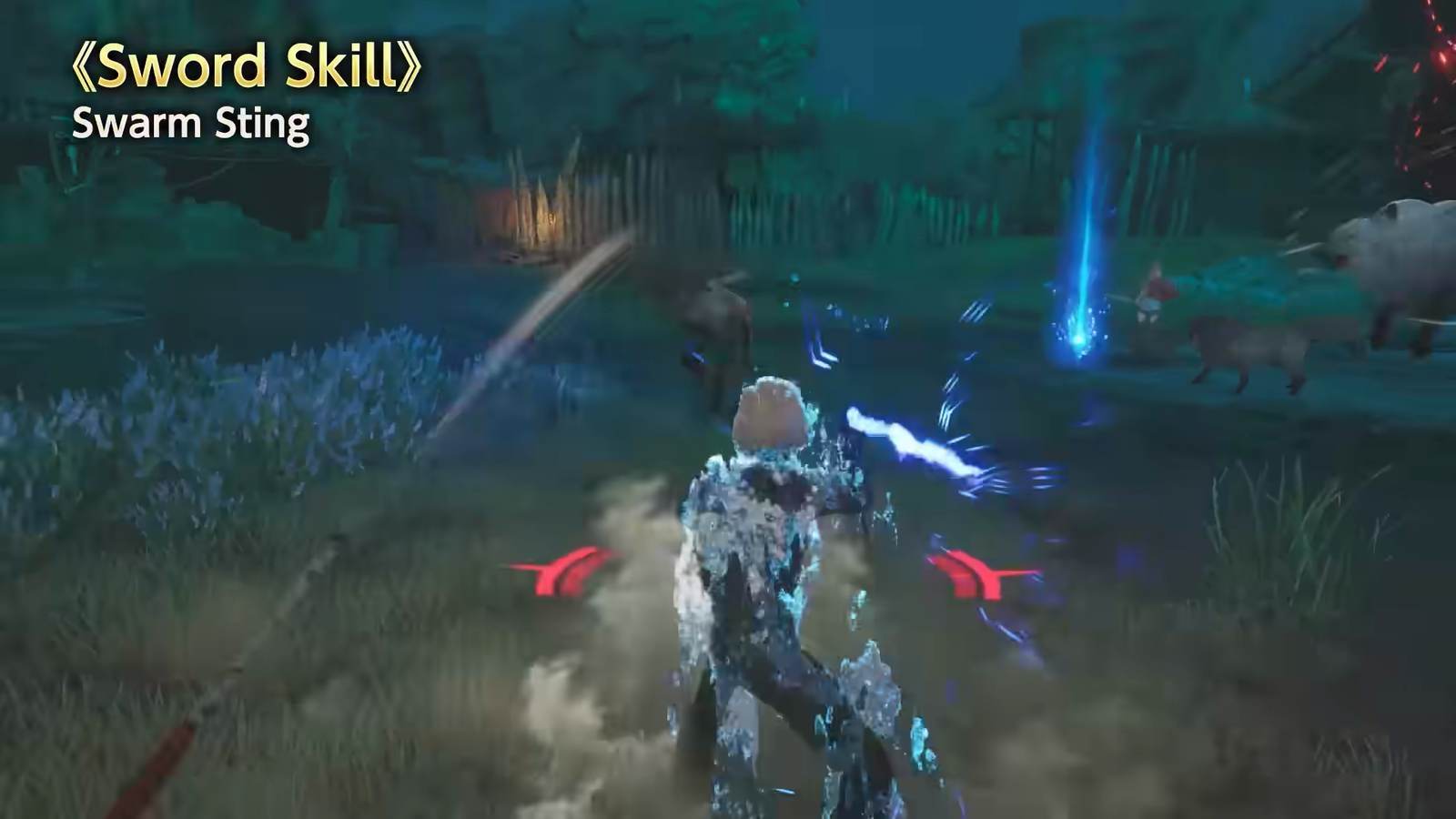
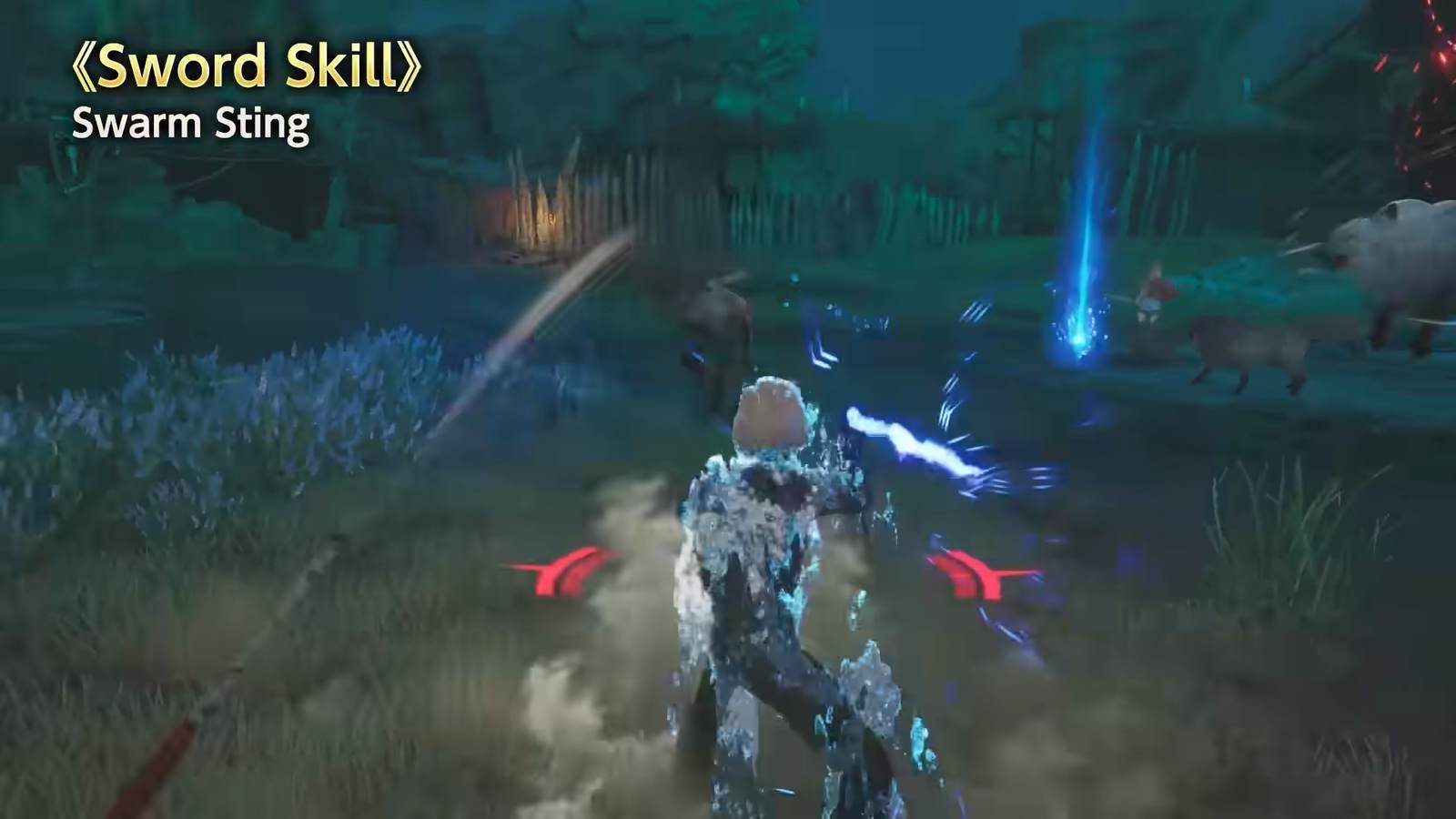
Where the two-handed weapons win fights with one huge hit, the dagger wins them with many small ones. Its confirmed skills — Rapid Bite, Swarm Sting, Emerald Edge — are all flurries and quick bursts rather than single committed swings, and its thrown-blade option means it's the only weapon in the roster that isn't purely melee. That combination makes it uniquely mobile: you can chip damage from range, dash in for a flurry, and dash back out, never fully committing the way a two-hander must. The trade is reach — you're fighting well inside an enemy's attack radius for most of that flurry, and there's very little room for error once you're there.
Why the skill floor is real, not exaggerated
The dagger's reputation for punishing greed isn't marketing — it follows directly from its numbers. Because each individual hit does less than a heavier weapon's, dagger players naturally want to stay in and keep swinging longer to make the damage add up, which is exactly the instinct that gets punished. One extra hit at the end of a flurry, thrown out of habit rather than a read, is often the hit that leaves you with no Stamina left to dodge the counter. The players who do well with the dagger treat every flurry as a fixed, pre-decided length — three hits and out, not "three hits, then one more if it's still going well." Deciding the length of your combo before you start it, not while you're in the middle of it, is the actual skill this weapon tests.
Mobility as a resource, not just a feeling
It's easy to describe the dagger as "the fast one" and leave it there, but its mobility is better understood as a resource you spend deliberately, the same way you'd manage Stamina or SP. Every dash and reposition has a purpose — closing distance for a flurry, escaping before a counter lands, repositioning for the thrown-blade option — and the players who struggle with the dagger are usually moving reactively rather than with intent, burning through their speed advantage on movement that doesn't actually set up anything. Treat every dash as a question ("what does this position let me do next") rather than a reflex, and the dagger's mobility stops being a vague vibe and starts being a concrete plan you execute fight after fight.
Stat pairing
Lead with Agility for its speed and evasion economy, or Dexterity if you're leaning into precision. This is a playstyle recommendation rather than a hidden-scaling claim. Endurance is the essential support stat here: constant dashing, repositioning and short-burst flurries all draw on the same Stamina pool, and a dagger build with too little Endurance undercuts the mobility that defines it.
Matchup against the demo's bosses
- Sentry Golem: a good matchup, if not the dagger's best. The Golem's poor tracking rewards mobility, and quick flurries into its back between its telegraphed moves fit the weapon's rhythm well — just don't overstay a flurry past its wind-up.
- Illfang the Kobold Lord: a strong matchup, arguably the dagger's best of the three. His openings favor a single quick skill over a long combo, which is precisely the discipline the dagger already demands — mobility also helps clear his wider sweep without full commitment.
- Raging Boar (field elite): mixed. The dagger's mobility helps you avoid the charge cleanly, but its short reach means punishing the follow-up requires closing distance right as the boar is most dangerous — patience matters more here than the weapon's speed might suggest.
EX-Mod priorities
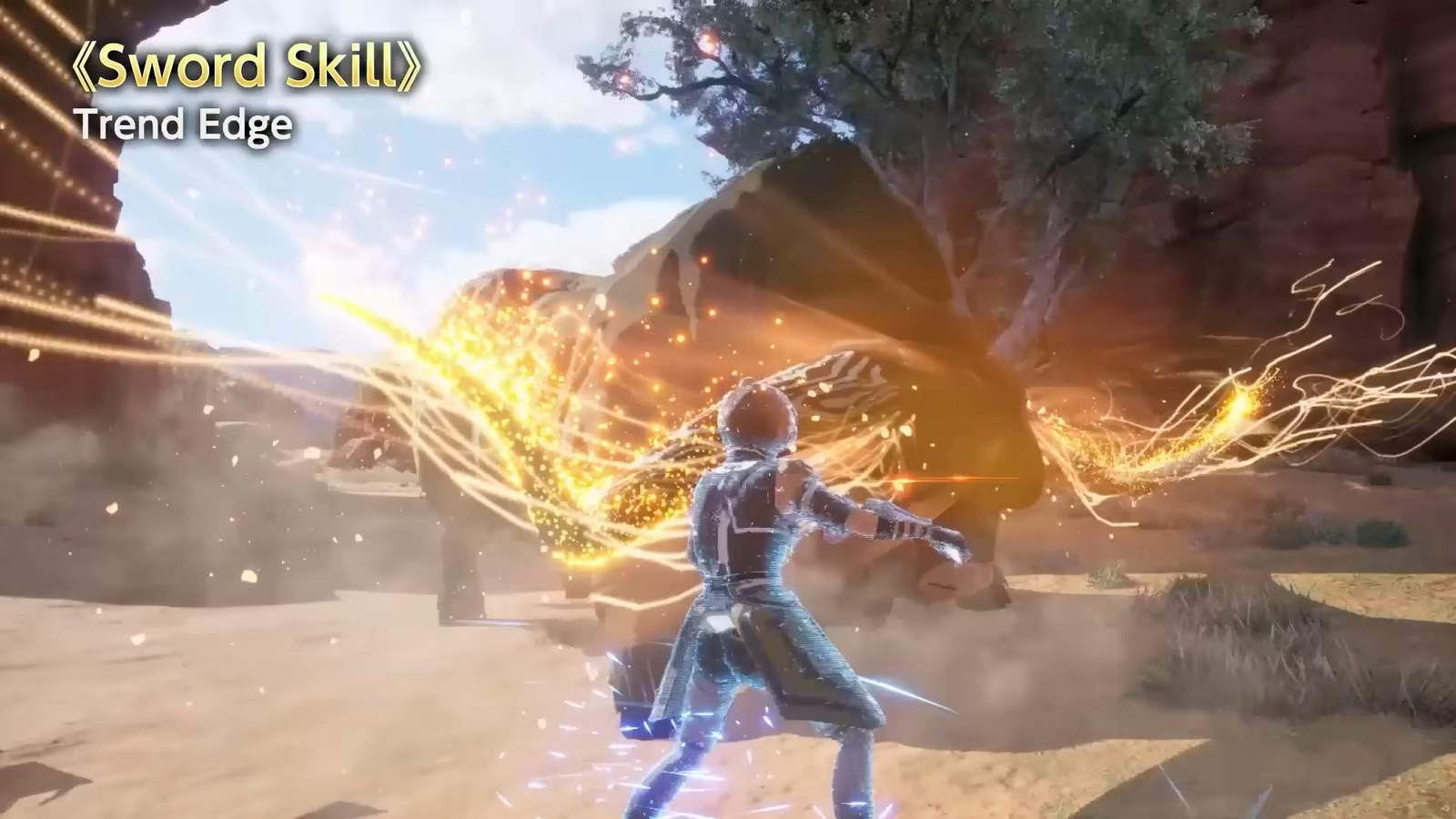
Because the dagger's whole game is repeated short bursts, Stamina-cost reduction compounds unusually well here — every saved point buys another dash or flurry rather than just one more swing. A secondary priority is anything that improves evasion or dodge distance, reinforcing the hit-and-run identity the weapon already leans on. Raw attack-boost effects matter, but less than on a slower weapon, since the dagger's damage comes from hit count more than any single blow — an EX-Mod that lets you land one more hit per flurry is often worth more than one that makes each hit slightly harder.
Partner pairing
Pair the dagger with an offensive partner who keeps enemies occupied. Because you're weaving in and out rather than holding a front line, a partner who can tank attention while you reposition covers the dagger's one real gap — sustained pressure when you're mid-retreat. This is close to the opposite of the axe's need for a defensive partner: here, your partner's job is to buy you the openings your own short reach can't create alone.
Launch partners to test first: Iori and Wyzeman are the safest aggro-cover candidates on paper, while Agil is the heavy pressure option if you want the partner to make openings by force. Argo and Silica are both Dagger partners, but mirror-pairing two short-range kits should wait until their exact Support Skills are verified.
Starter Sword Skill loadout
A solid trio: Rapid Bite as your bread-and-butter opener for quick pressure, Swarm Sting as your main damage flurry once you've closed distance safely, and Emerald Edge as a burst option for finishing a staggered target. All three reward the same discipline — decide the length of the exchange before you start it, and don't let a good flurry talk you into one hit too many.
How it compares to its closest alternative
The rapier is the nearest neighbor in spirit — both reward precision over raw power — but the rapier trades the dagger's mobility and thrown-blade option for actual reach and even a shield. If the dagger's short range keeps getting you clipped by attacks you can't see coming, the rapier is the natural next weapon to try; if you specifically want the ranged poke and hit-and-run rhythm, nothing else in the roster replaces the dagger.
Where this build goes long-term
A well-played dagger build scales with the player more than almost any other weapon in the roster — its ceiling is defined less by its own numbers and more by how consistently you can hold the "decide the combo length in advance" discipline under pressure. Early on, that discipline slips constantly, which is exactly why the dagger has a reputation for being unforgiving. The payoff for sticking with it is a weapon that stays interesting far longer than a simpler, more forgiving one, because there's always a slightly tighter combo length or a slightly better read to chase. If you want a weapon you can still be improving at dozens of hours in, the dagger is a strong bet; if you want something that feels mastered quickly, it's the wrong pick. Give it the demo's forgiving early fights to build that discipline before judging it against the harder tests to come — the payoff shows up gradually, not on the first few tries — and it carries forward, since your demo progress transfers straight into the full game.
Common mistakes
- One hit too many. The single most common dagger death — a flurry that should have ended two hits earlier.
- Fighting at melee range when the thrown option is available. Forgetting you have a ranged tool wastes the one thing that sets the dagger apart from every other one-handed weapon.
- Under-investing in Endurance. A speed weapon that runs out of Stamina stops being fast — it just becomes short-ranged and vulnerable.
FAQ
Is the dagger good in Echoes of Aincrad?
What stats work best with the dagger?
Can the dagger attack from range?
Where to go next
See the full stat block in the weapons database, plan Agility and Endurance in the stats guide, and compare it to the reach-focused rapier.
Sources
Gameplay frames captured from the official Weapon Overview and demo; player-captured footage credited in each caption.