How to use this database
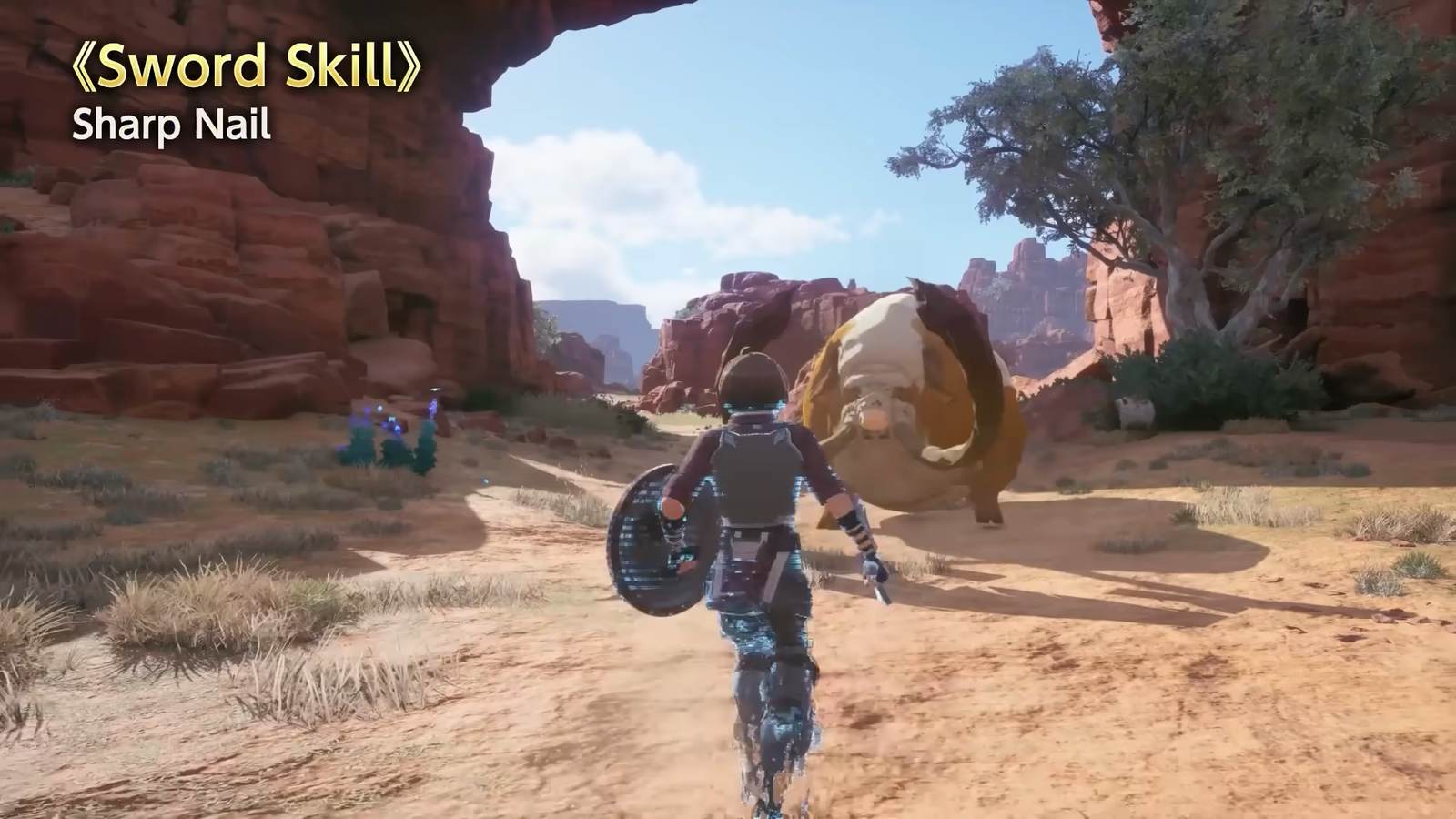
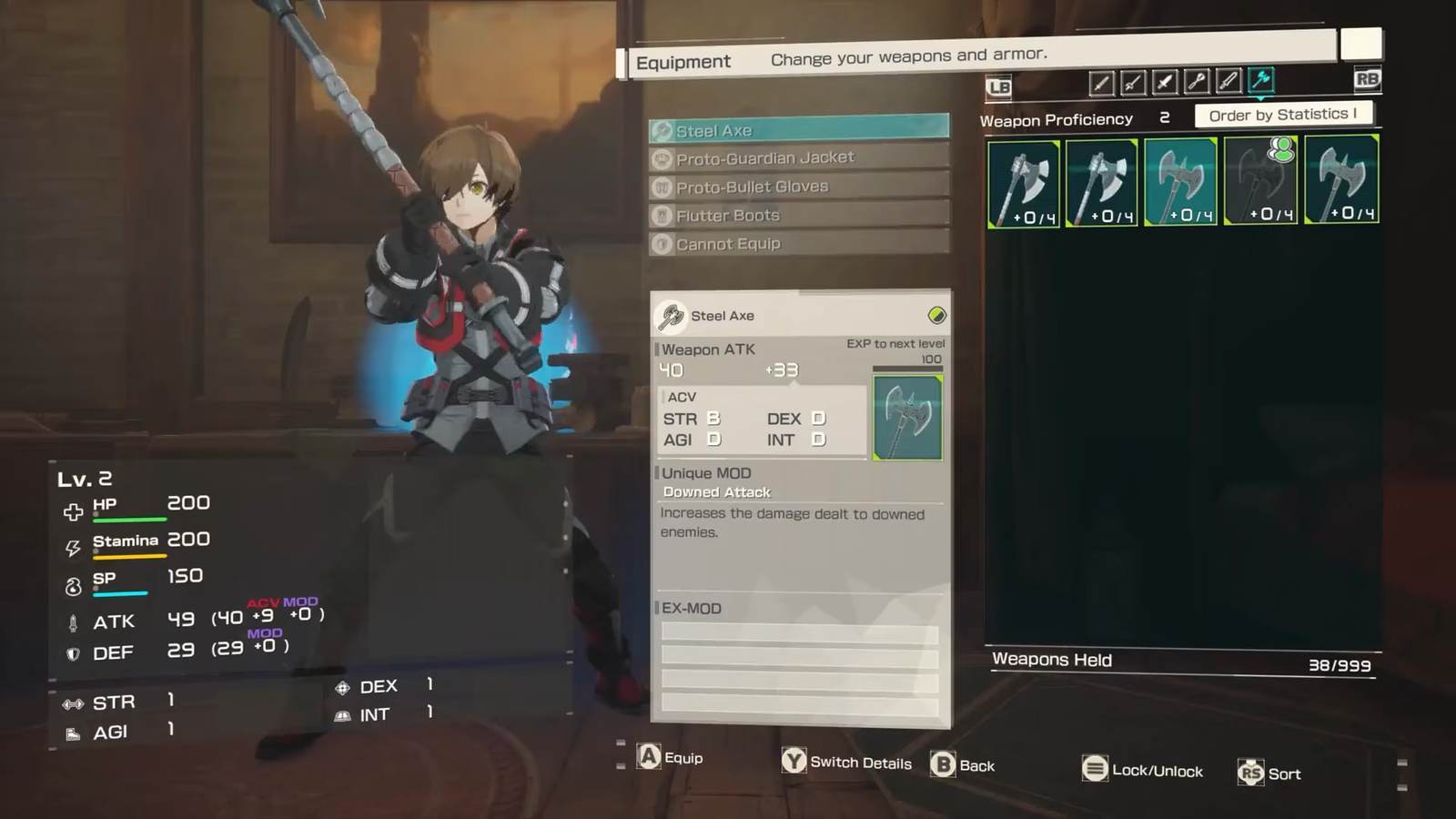
The database turns long-form guide material into reference tables. Use it to compare weapon handling, check the official partner roster, review named Sword Skills, or find the town facility tied to a progression system. Each entry distinguishes source-backed facts from editorial analysis: names, categories and listed mechanics come from official material or visible game interfaces, while build pairings and tactical interpretation are labeled as guidance.
For step-by-step decisions rather than lookup data, follow the links from each entry into the relevant strategy guide. This keeps the tables concise without replacing the original explanations that make the information useful.
What a database entry means
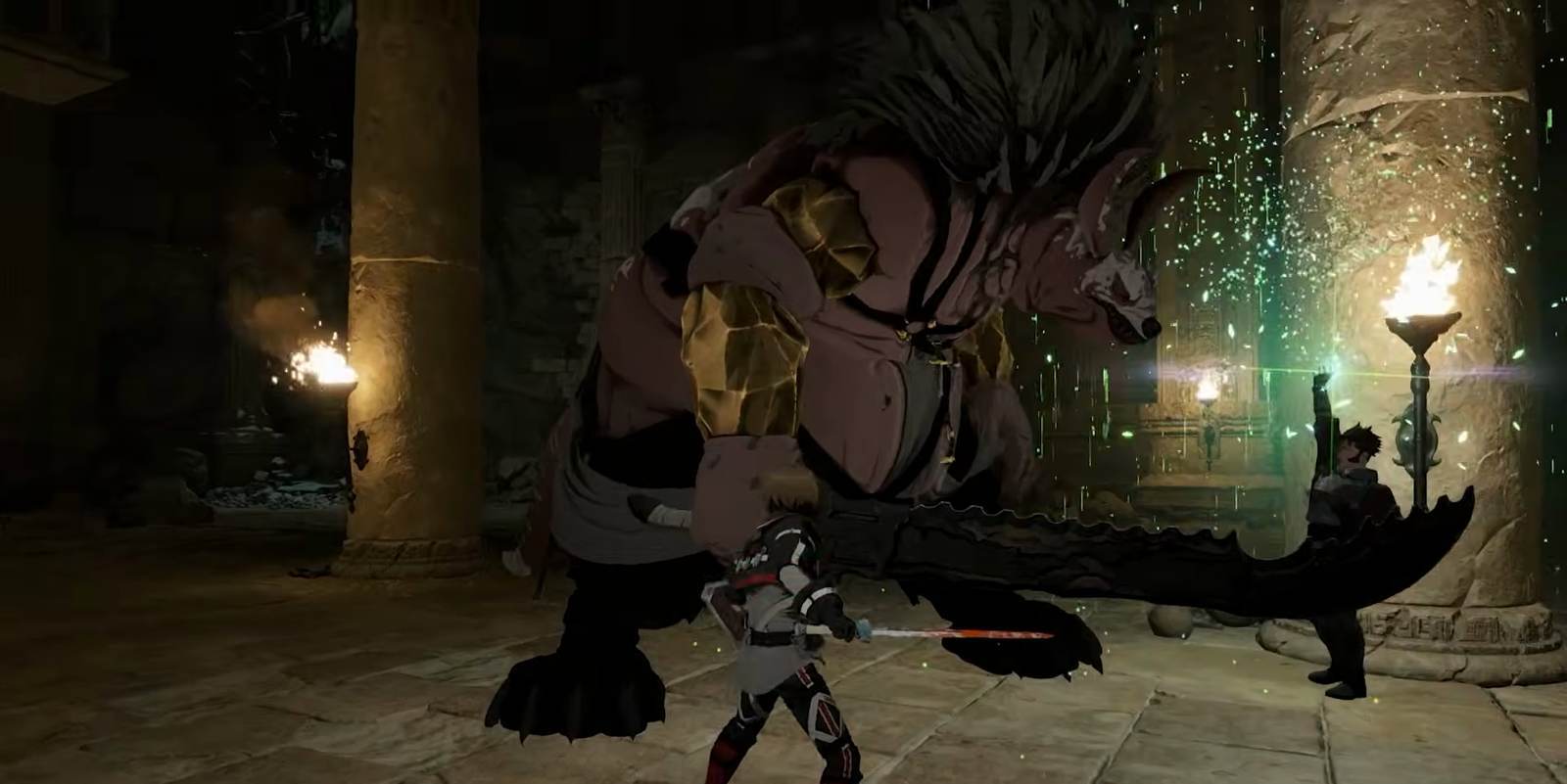
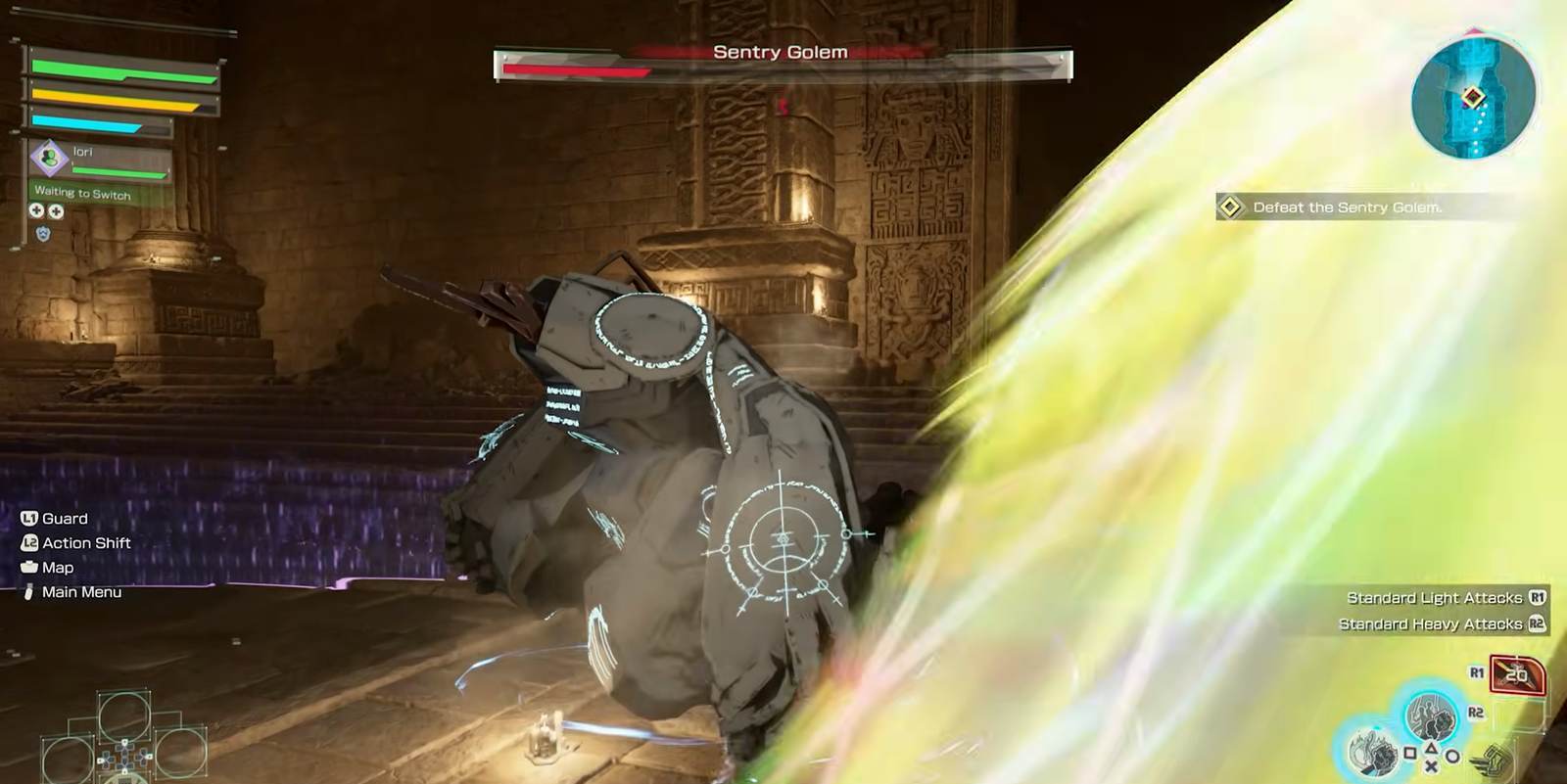
Each entry has a narrow job. A weapon page compares categories and their confirmed mechanics; it does not claim that one weapon is universally strongest. A boss entry records the encounter name, phases and clearly visible attacks, then points to a separate guide for positioning and timing. Character and location entries distinguish a published role or appearance from a story interpretation. This structure lets a player scan a fact quickly without mistaking a short table for a complete strategy.
We use three evidence labels in practice. Confirmed means the item is named or described in official material, a current patch notice or a visible in-game interface. Observed means it is shown in released footage or a documented retail play session and may need revision after a patch. Editorial guidance is our explanation of a trade-off, such as why a weapon's stamina profile may suit a certain player. The pages do not use community guesses as a substitute for either of the first two categories.
Use the right layer for the job
Start with Weapons when choosing a combat style, then open Sword Skills to check a named move and Items & Materials before planning an upgrade. For an encounter, use Bosses to orient yourself and follow the linked guide for a fuller response. Locations is the quickest route to town services, safety areas and Arks; it is also where a player can verify the names used elsewhere in progression guides. The Character Database is useful when a guide refers to a partner's published weapon or role and you want the original roster context.
The database is not designed to inflate a small amount of information into a large checklist. A missing row means the fact has not yet been verified to our standard, not that it has been silently guessed. Conversely, an entry is updated when a newer official source changes it: launch trailers, for example, remain valuable context but do not override a later patch note or current store listing.
How to read patch-sensitive information
Combat details can change. Before copying a route or a loadout from an older guide, confirm the page's update date and check Known Issues & Official Workarounds for support changes that affect the encounter. Patch notes are used for version-specific claims; a guide's tactical recommendation remains editorial and is presented as such. This separation matters most for fixes, save-risk warnings and anything that can make an old workaround unsafe.
If you notice a missing source, an incorrect label or a change after an update, send the page URL and the primary source through Contact. The aim is a database that becomes more precise over time, not a fast-moving catalog of unverified fragments.