Short answer: the one-handed sword is the safest first pick — balanced speed, a shield for emergencies, and no matchup where it genuinely struggles. The mace is a close second for players who prefer standing their ground. But "safest" isn't the same as "best for you," and the gap between weapons is smaller than most tier lists suggest. Here's every option ranked, with the reasoning that matters.
Ranking method. This is a safest-first ranking built around forgiveness, shield access, recovery time and the documented weapon identities. It is not a DPS table and does not turn single-source damage tests or patch-sensitive values into universal rankings.
The ranking criteria that actually matter
Most weapon rankings sort by damage. That's the wrong axis for a first pick. What matters on your first playthrough is forgiveness — how much does this weapon punish you for the mistakes you're guaranteed to make while learning the combat system? A weapon that hits hard but leaves you eating a boss attack every time you misjudge a window is worse for a new player than one that hits lighter but lets you recover from errors. Every ranking below weighs forgiveness first, ceiling second.
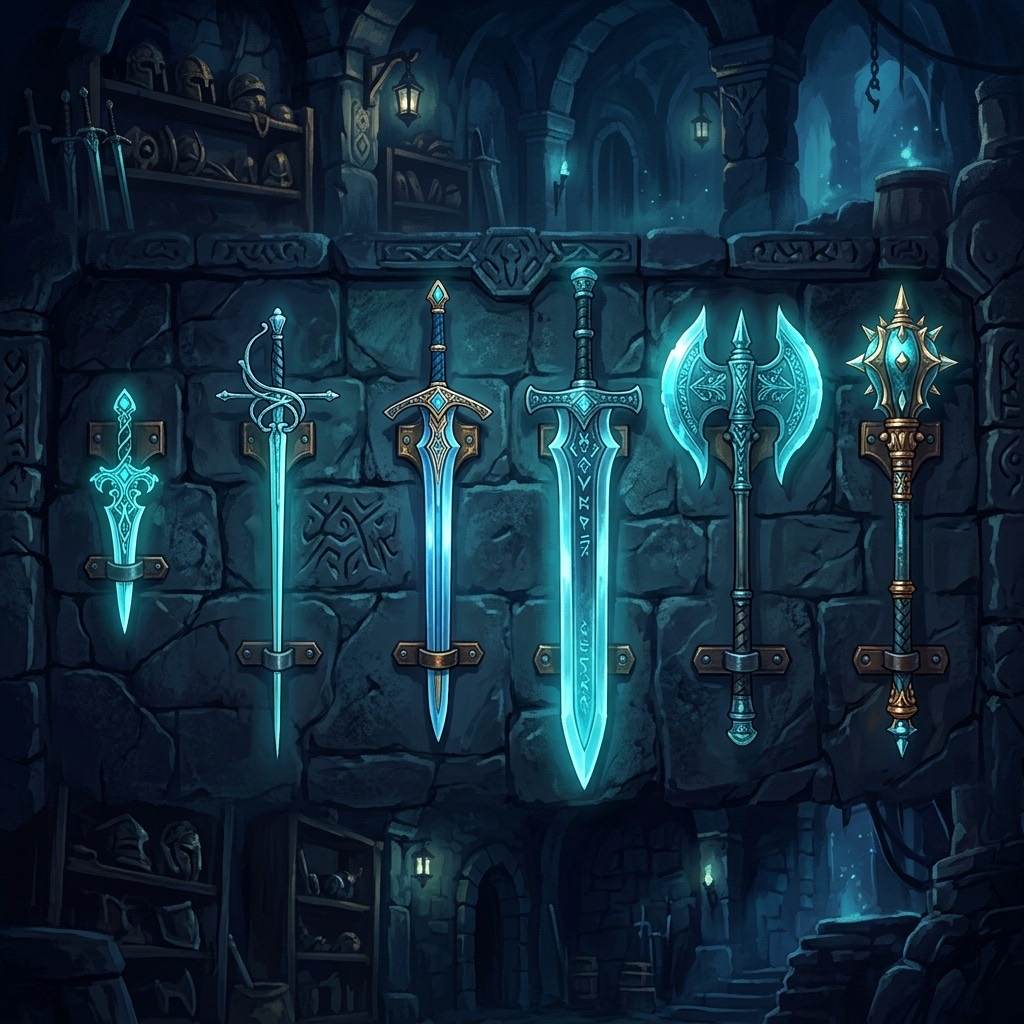
1. One-handed sword — the safest first pick
The one-handed sword does nothing badly. Its speed is moderate, its reach is reasonable, its shield blocks what you can't dodge, and its confirmed skills — Sharp Nail, Rage Spike, Horizontal Quad Slash — cover both quick punishment and sustained combos. Against the Sentry Golem, you circle and strike. Against Illfang, the shield buys you time to read his patterns. Against the Raging Boar, you block the charge and punish. There's no matchup that demands a different weapon to get through comfortably, which is exactly what "best first pick" means: a weapon that never makes you wish you'd picked something else.
The trade-off is ceiling. The one-handed sword doesn't have the dagger's hit-and-run brilliance, the axe's stagger dominance, or the rapier's precision edge. It's the weapon you grow out of, not the weapon you master — and that's fine. Your demo save transfers to the full game, so the experience you build early carries forward regardless of whether you switch later.
2. Mace — the tankiest option in the game
The mace is the one-handed sword's tougher, slower cousin — shield-compatible, durable, and specifically designed to break armored defenses with Wave Bash. Where the sword is good against everything, the mace is excellent against armored enemies and merely solid against everything else. For a new player who'd rather absorb a hit and answer than avoid every single one, the mace's identity is more intuitive than the sword's balance — you always know what you're supposed to do (stand your ground, break their defense), and that clarity has real value when you're still learning the combat system.
It drops a rank because its slower attack speed makes recovery from errors take longer — you swing, you miss, and the time before your next opening feels longer than on a faster weapon. But if armored enemies are the fights that frustrate you most, the mace is a directly better first pick than the sword.
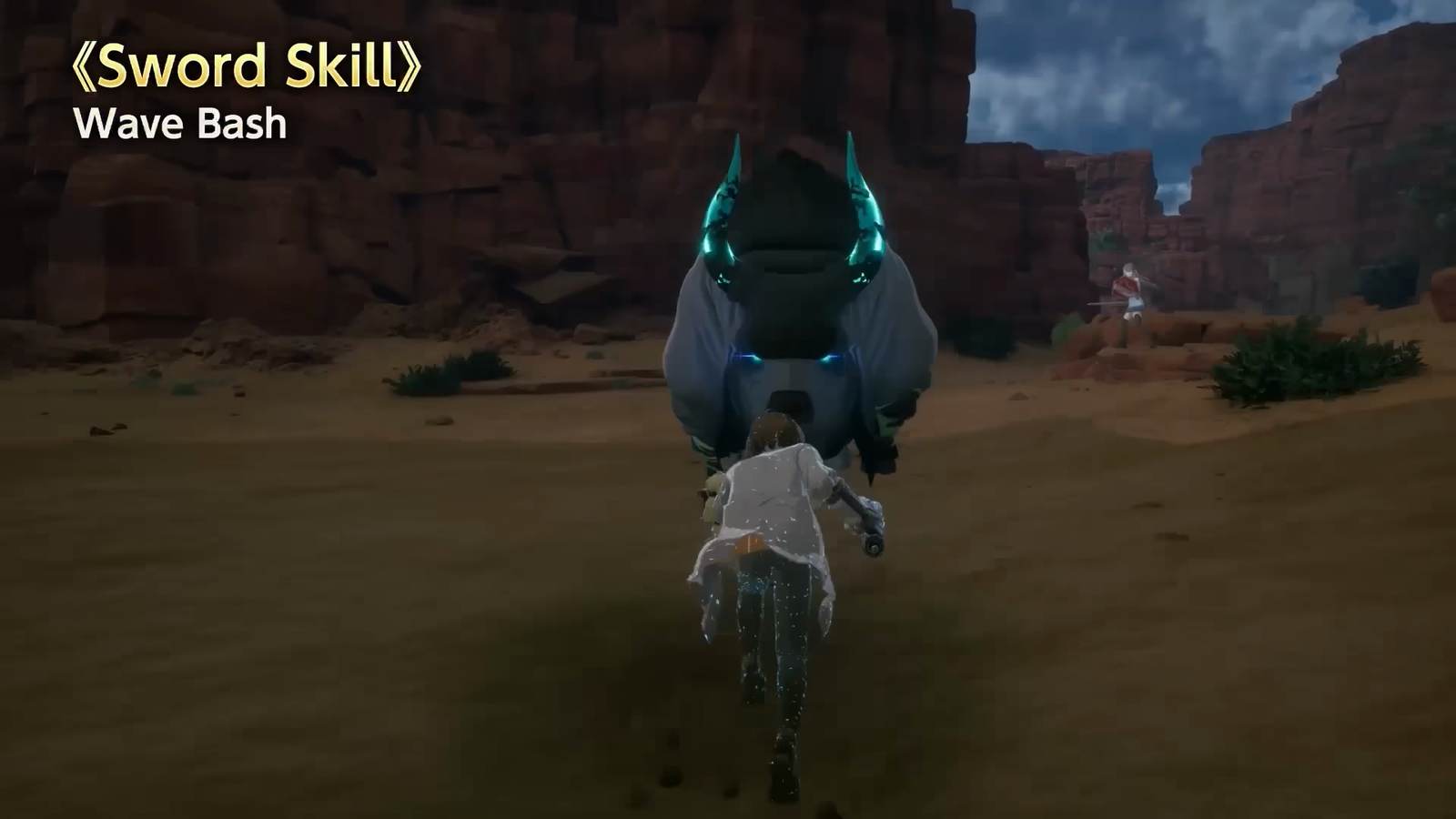
3. Rapier — reach and precision with a safety net
The rapier is the only weapon that gives you both reach and a shield — a combination nothing else in the roster offers. Its confirmed skills, Lier Lunge and Cyclone, reward precise spacing: fight at the tip of your range, where your thrusts land and enemy swings fall short. Against Illfang, that spacing is a genuine advantage. Against the Sentry Golem, the shield makes its sweeps trivial.
It ranks third because the spacing discipline it demands is subtle — you won't feel punished in a single dramatic moment the way the dagger punishes you, but you'll accumulate chip damage from being slightly too close or whiffing thrusts from slightly too far. New players who enjoy a measured, deliberate fighting style will do well here; players who like to rush in and trade blows will find it frustrating.
4. Two-handed sword — big arcs with a real commitment cost
The two-handed sword is the gateway to the two-handed playstyle: wide arcs, charging attacks, and Brave Leap, Meteor Strike, Whirlwind as the confirmed skills. The damage is real, the crowd coverage is satisfying, and the weapon teaches you to think about positioning before you swing — a skill that transfers directly to the axe if you decide to go heavier.
What drops it to fourth is the dodge-becomes-a-roll mechanic. Every two-hander replaces your sidestep dodge with a longer, slower roll — a defensive downgrade that takes genuine adjustment. On a first playthrough, you're already learning the combat system; learning a different dodge at the same time is a steeper on-ramp than the shield weapons offer. But the two-handed sword is still more forgiving than the axe or dagger, and its wide swings feel great once you stop trying to play it like a one-handed weapon.
5. Two-handed axe — the stagger specialist you earn
The axe is the heaviest weapon in the game — the slowest swings, the hardest hits, the most devastating stagger power. Against the Sentry Golem, it's arguably the best weapon in the roster: a slow, armored target is exactly what the axe is built to crack. But against Illfang's faster combos or the Raging Boar's charge, the axe's commitment cost is brutal — every swing locks you in place, and the roll dodge means your escape is slower than any shield weapon's guard.
This is the weapon you switch to once you understand the combat system, not the weapon you learn the combat system on. The player who tries the axe first and the player who tries the axe fifth have genuinely different experiences — the second one knows when to swing and when to wait, and that knowledge is the axe's actual prerequisite.
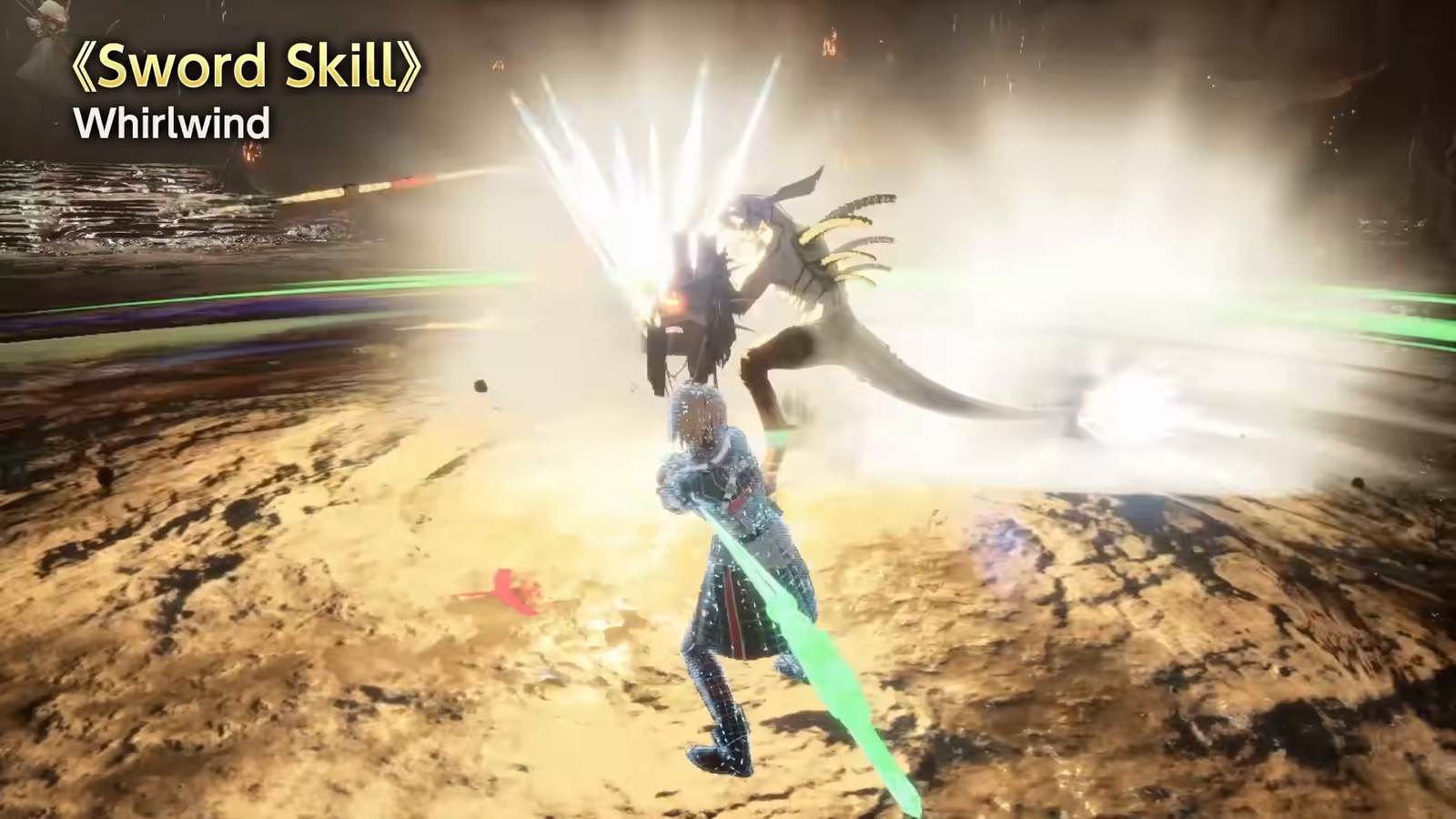
6. Dagger — the highest ceiling and the steepest floor
The dagger is the fastest weapon in the game, with Rapid Bite, Swarm Sting, Emerald Edge as confirmed skills plus a thrown-blade ranged option nothing else has. A skilled dagger player is arguably the most effective combatant in the roster — weaving in and out, chipping from range, executing precise flurries that look effortless.
But the skill floor is real. The dagger's damage comes from many small hits, which means new players naturally want to stay in and keep swinging — and that instinct is exactly what kills them. One extra hit at the end of a flurry, thrown out of habit rather than a read, leaves you with no Stamina to dodge the counter. The discipline of deciding your combo length before you start it, not during, is the hardest skill in the game to learn cold. The dagger doesn't punish bad players — it punishes players who haven't yet learned to stop at the right moment, which is everyone on their first playthrough.
If you're coming from a character-action game where you already have strong combo discipline, the dagger might be your real first pick. For everyone else, learn the combat system on something more forgiving and come back.
Why the gap is smaller than it looks
Ranking weapons 1-to-6 implies a wider spread than actually exists. The one-handed sword at #1 and the dagger at #6 aren't separated by a gulf of power — they're separated by how much they punish you for the specific mistakes a new player makes. Once you've internalized the combat system's rhythm (when to dodge, when to parry, when to disengage), the skill floor difference between weapons shrinks dramatically. By mid-game, weapon choice is about playstyle preference, not difficulty — the axe player who earned their reads is just as effective as the sword player who never needed them.
The demo as a testing ground
The demo is specifically designed to let you try weapons without long-term consequences — and then your demo save transfers to the full game. That makes the demo the ideal place to experiment: pick the weapon this ranking suggests, play through the Sentry Golem and Illfang, and then restart with a different weapon to feel the difference. Two demo runs teach you more about your preferences than any ranking article, including this one.
Matchup quick-reference
| Weapon | Sentry Golem | Illfang | Raging Boar |
|---|---|---|---|
| One-handed sword | Good | Good | Good |
| Mace | Excellent | Solid | Good |
| Rapier | Comfortable | Strong | Tough |
| Two-handed sword | Good | Fair | Good |
| Two-handed axe | Excellent | Risky | Fair |
| Dagger | Good | Strong | Mixed |
Partner picks to test first
The official partner roster changes how to think about a starting weapon. You are not just picking your own moveset; you are deciding which weakness the second half of the duo must cover. The combinations below are weapon-role experiments, not a numerical partner ranking.
| Your weapon | Partners to test first | Why |
|---|---|---|
| One-handed sword | Zash, Agil, Asuna | Your shield covers safety; test higher-pressure partners who help fights end faster. |
| Mace | Zash, Agil, Kirito | You already have durability, so partner damage is the obvious first experiment. |
| Rapier | Asuna, Iori, Lisbeth | Lean into precise uptime, support and shield-compatible patience. |
| Two-handed sword | Iori, Wyzeman, Lisbeth | You need someone to stabilize recovery windows more than you need extra burst. |
| Two-handed axe | Iori, Wyzeman, Klein | The axe needs aggro cover and control while it commits to slow swings. |
| Dagger | Iori, Wyzeman, Agil | You need a partner who can keep attention while you disengage and re-enter. |
For the full roster, use the character database. For how the Switch and Support Skills actually execute in combat, use the partner skills guide.
The honest recommendation
If you're reading a "best starting weapon" guide, you're looking for permission to pick something safe — and the one-handed sword is that permission. It won't make you feel brilliant, but it also won't make you feel stuck. Start there, learn the combat, and trust that you'll know what you want next by the time you reach the Town of Beginnings.
But if you already know you want a specific playstyle — if the idea of a heavy axe or a fast dagger excites you more than "balanced and safe" — pick that instead. The ranking above measures forgiveness, not fun, and fun matters more on a first playthrough than avoiding a few extra deaths. Every weapon in this roster can carry you through the game; the question is which one you'll enjoy learning.
FAQ
What is the best starting weapon in Echoes of Aincrad?
Can you change weapons in Echoes of Aincrad?
Is the dagger good for beginners?
Does my demo weapon carry over to the full game?
Where to go next
See each weapon's full build guide: one-handed sword, mace, rapier, two-handed sword, two-handed axe, dagger. Plan your stats in the attributes guide, or start from scratch with the demo walkthrough.
Sources
- Echoes of Aincrad — Official Weapon Overview
- Bandai Namco — Starter Guide
- Bandai Namco — official character roster
- Bandai Namco — Day 1 Patch Update File Ver.1.0.3
- SwoleBenji — retail weapon-tree footage (menu sightings only; no single-source DPS claim is used to rank a weapon)
Rankings reflect a safest-first editorial assessment based on the cited weapon identities and observable matchups. Gameplay frames come from the official Weapon Overview and demo trailer.