The Death Game is the central premise of Sword Art Online: on November 6, 2022 (in the franchise timeline), 10,000 players logged into a new virtual reality MMORPG called Sword Art Online using a device called the NerveGear — a full-dive VR helmet that directly interfaces with the user's brain. Once inside, the game's creator, Kayaba Akihiko, announced three rules that turned a game launch into a death sentence:
- You cannot log out. The logout button has been removed from the menu. There is no exit.
- If the NerveGear is removed or tampered with, you die. The headset's electromagnetic pulse will destroy your brain.
- If your HP reaches zero in the game, you die. The NerveGear fires the same lethal pulse.
The only escape: clear all 100 floors of Aincrad — the game's floating castle — by defeating the boss on each floor and reaching the top. Until then, every player is trapped in a world where death is permanent and the only way out is through.
This page covers the franchise lore of the Death Game — the story concept from the anime and novels. For the game mechanic in Echoes of Aincrad (permadeath mode, save deletion, survival strategies), see the Death Game Mode guide.
The first day
The franchise's most iconic scene is Kayaba's announcement. 10,000 players — many of them excited first-day adopters, some beta testers who got early access — are teleported to the Town of Beginnings on Floor 1 and forced to watch as a massive, cloaked figure appears in the sky. Kayaba, speaking through a system administrator avatar, explains the rules calmly and precisely. He's not threatening them. He's informing them, the way an engineer explains how a machine works.
Then he offers each player a mirror item. When they look into it, their avatars transform — from the characters they chose during creation into their real-world faces and bodies. The fantasy is stripped away. You are not a warrior, a mage, or an adventurer. You are yourself, in a world that will kill you if you make a mistake.
In the franchise, roughly 2,000 players die in the first month — some to the monsters and dungeons of Floor 1, some to suicide, some to accidents and despair. The floor boss isn't even attempted until December, weeks later, because organizing a raid when failure means death is a decision no one takes lightly.
The NerveGear: the technology that makes it possible
The Death Game only works because of the NerveGear — the full-dive VR headset that Kayaba designed alongside Sword Art Online. Unlike conventional VR headsets that display images and track movement, the NerveGear interfaces directly with the brain's neural pathways. It intercepts motor signals (so your real body doesn't move while your in-game body does), stimulates sensory input (so you feel, taste, and smell the virtual world), and — critically — has the capability to emit a high-powered electromagnetic pulse that can destroy the brain.
Kayaba didn't add the lethal capability as an afterthought. He designed the NerveGear with the Death Game in mind from the beginning. The technology that makes the most immersive VR experience ever created is the same technology that makes it lethal. The full-dive system and the kill mechanism are the same hardware — the signal that creates the virtual world and the signal that ends a real life travel the same wires. This is the detail that makes the Death Game feel inescapable: you can't disable the trap without disabling the VR, and disabling the VR kills you.
Why Kayaba did it
Kayaba Akihiko's motivation is the franchise's most debated question, and it's deliberately unsatisfying. When finally confronted about why he trapped 10,000 people in a death game, his answer — revealed near the end of the Aincrad arc — is essentially: he wanted to create a world that felt real.
Not real in the VR sense (the NerveGear already achieved that) but real in the stakes sense. A game where death is permanent isn't just a game anymore — it's a world where choices matter, where courage means something, where the people living in it treat it as their reality because it is their reality. Kayaba wanted to see if a world he built could achieve that weight — if people would fight for it, build communities in it, form bonds inside it that mattered as much as anything in the real world.
It's a motivation that's simultaneously understandable and monstrous. He achieved exactly what he wanted — Aincrad became real to its inhabitants — and it cost 4,000 lives. The franchise never fully resolves whether his vision justified the cost, and that ambiguity is part of why the premise endures.
Two years in the floating castle
The Death Game lasted from November 2022 to November 2024 in the franchise timeline — two full years. During that time:
- ~4,000 of the 10,000 players died. To monsters, to player-killers (PKers), to traps, and to despair. The death rate was highest early on and gradually decreased as survivors learned the rules.
- 75 floors were cleared. The game was beaten on Floor 75 rather than Floor 100 — the final confrontation with Kayaba happened early, under specific circumstances the franchise details.
- Society formed. Guilds, economies, politics, marriages — the trapped players built a functional society inside Aincrad. The front-line clearers who fought the floor bosses were a tiny fraction; most players lived as craftsmen, merchants, or simply survived in the safe zones of cleared floors.
- Player-killers emerged. Some players turned to killing other players for items, territory, or ideology. The most notorious — Laughing Coffin — became a murder guild that hunted other players for sport. Justice was handled by player-organized enforcement, not a system.
The Death Game's influence on gaming and anime
The "trapped in a game" premise wasn't invented by SAO — earlier works like .hack explored similar territory — but SAO's Death Game crystallized the concept into its most visceral form. The specific combination — VR immersion, lethal stakes, a hundred floors to clear — became a template that dozens of anime, manga, and games have since riffed on. The isekai genre's explosion in the 2010s owes a debt to SAO's demonstration that "player trapped in a fantasy world" could carry both action and emotional weight.
What made the Death Game work as a premise wasn't just the stakes — it was the specificity. The NerveGear's kill mechanism is explained in enough technical detail to feel plausible. The economic and social consequences of 10,000 people living inside a game are explored rather than hand-waved. The psychology of facing permanent death every time you enter a dungeon creates character dynamics that a standard fantasy adventure can't — fear, trauma, recklessness, and quiet heroism coexist in ways that feel earned because the premise justifies them.
How Echoes of Aincrad uses the Death Game
Echoes of Aincrad engages with the Death Game on two levels:
Narrative: you are one of the trapped players
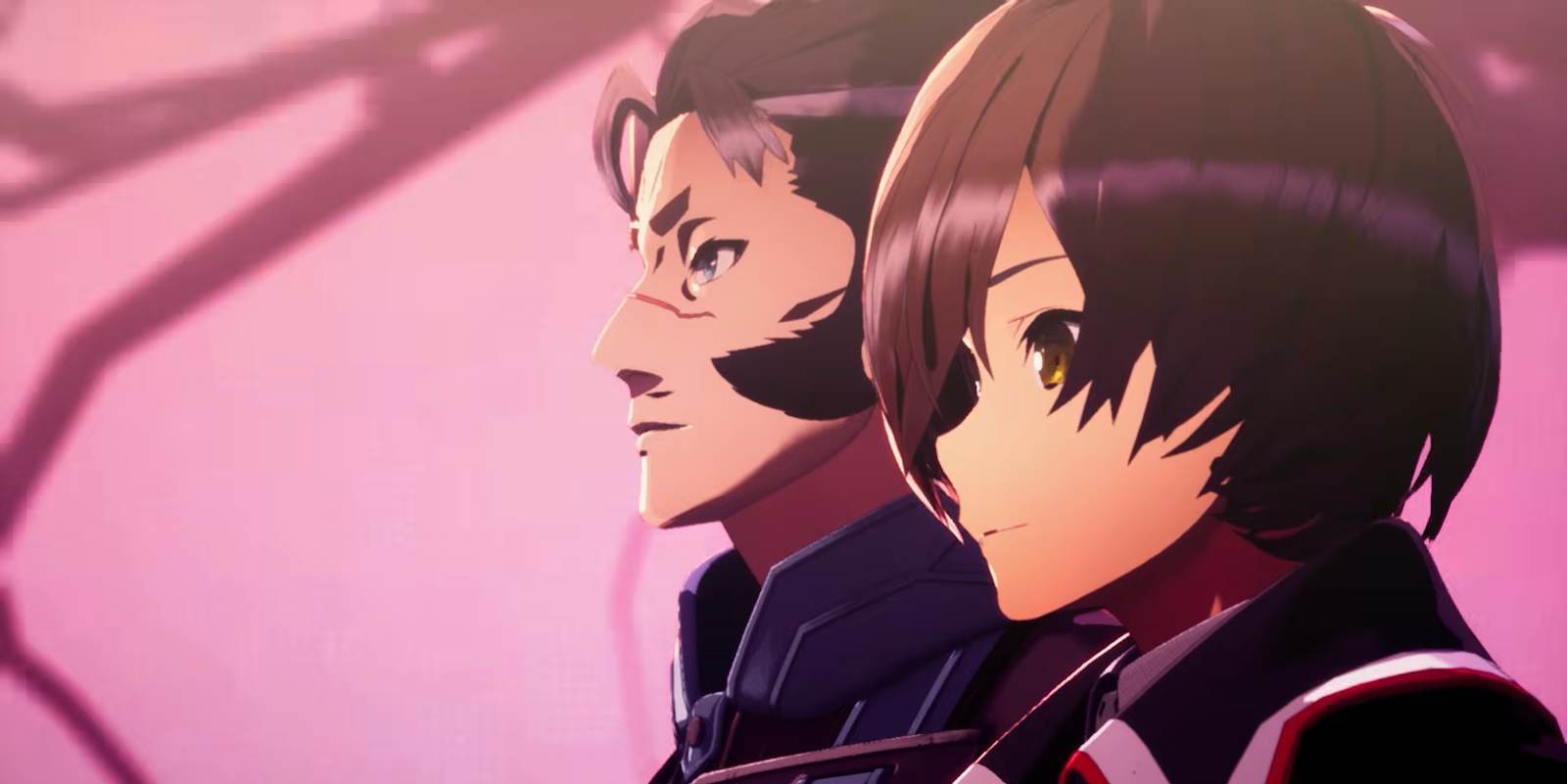
Your created character is among the 10,000 trapped in Aincrad. The story takes place on Floors 1 and 2 — early in the Death Game, when the shock is fresh, communities are forming, and the first floor bosses represent both the greatest danger and the only path to freedom. Characters like Iori are fellow trapped players navigating the same crisis. The narrative doesn't require you to know the franchise's full timeline — it tells its own story within the Death Game's framework.
Mechanical: Death Game Mode
The game's Death Game Mode translates the franchise concept into gameplay: activate it, and death permanently deletes your save file. No respawns, no cloud-save workaround. It stacks on top of any of the four difficulty levels, creating combinations from "tense but manageable" (Death Game + Story) to "one mistake from losing everything" (Death Game + Very Hard). It's the most direct adaptation of the franchise premise any SAO game has ever attempted. If you're planning an actual permadeath run, the Death Game Mode guide is the practical companion to this page — unlock routes, difficulty stacking and the survival principles that keep a hundred-hour save alive.
The premise that gives the game its gravity
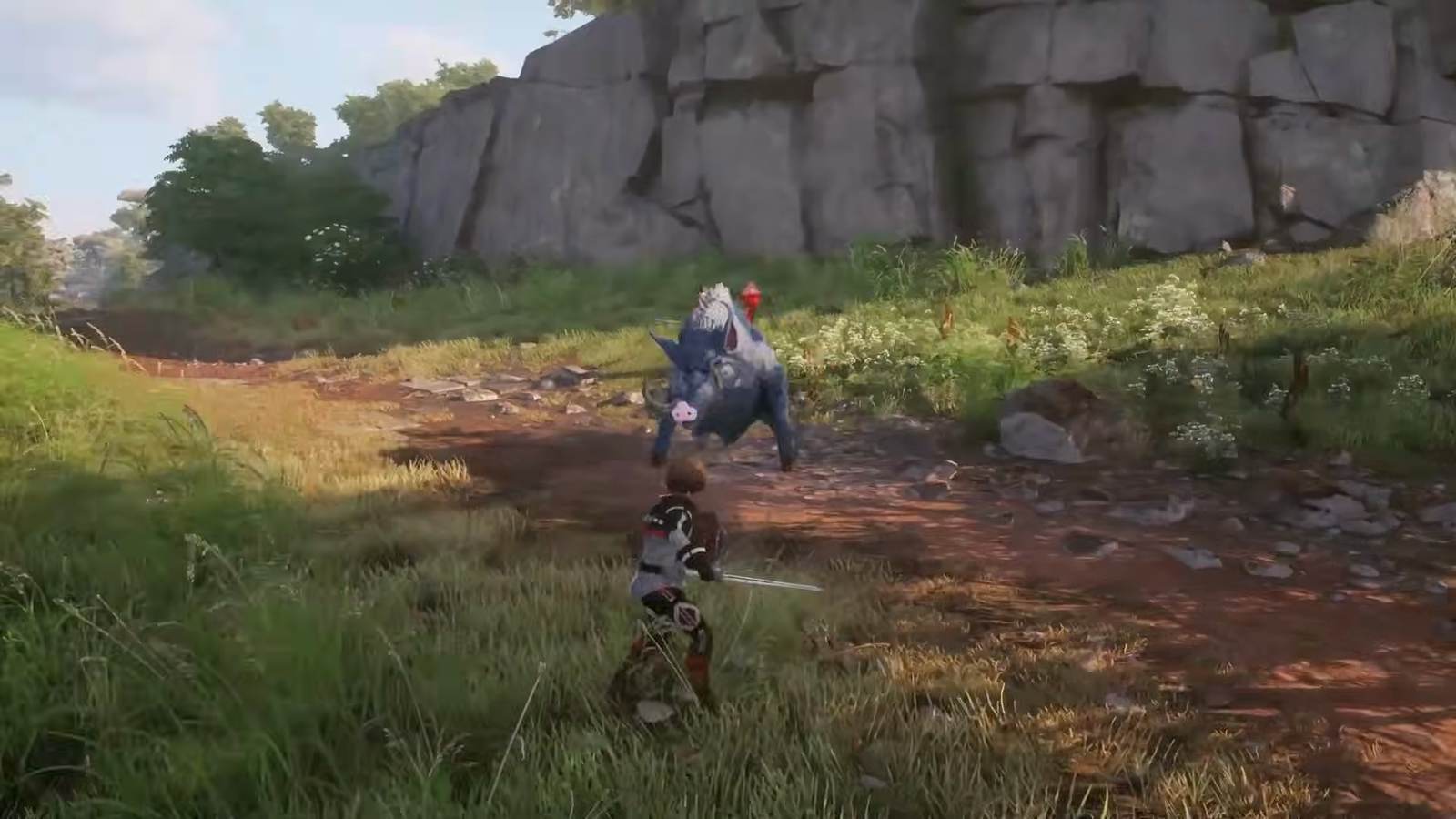
Strip the Death Game away and Aincrad is a beautiful, well-designed game world — 100 floors of varied environments with engaging combat. Keep the Death Game and it becomes something else: a place where choosing to enter a dungeon is a moral decision, where helping another player isn't just kindness but shared survival, where the choice between safe farming and dangerous progression defines your character as much as any stat screen.
Echoes of Aincrad inherits that gravity. Even on Story difficulty without Death Game Mode active, the narrative frames every fight as something that matters to the people inside it — your character, Iori, the players you meet. The franchise's greatest contribution to gaming isn't a combat system or a world design; it's the idea that a game can matter to its characters as much as it matters to you. Aincrad is the proof of concept.
FAQ
What is the Death Game in SAO?
How many players died in the Death Game?
Does Echoes of Aincrad have the Death Game?
Is the Death Game based on a real concept?
Where to go next
The world itself: What is Aincrad? The floors you'll explore: Floor 1 & Floor 2. The game mechanic: Death Game Mode guide. The people: characters lore.
Sources
- Sword Art Online light novel series (Reki Kawahara, ASCII Media Works / Kadokawa)
- Sword Art Online anime Season 1, Episodes 1–14 (A-1 Pictures, 2012)
- Death Game Mode details from producer Yosuke Futami interviews