Short version: Cardinal Rank is a second progression track running alongside your character level. Where your level (from killing monsters) drives Growth Points and raw power, Cardinal Rank is an overall-proficiency gauge that gates what the world offers you: merchant stock, craftable Smithy recipes, enemy difficulty, drop quality and partner growth. It rises through Main Quest progress and discovering new towns — so exploring and advancing the story, not just grinding kills, is what unlocks the game's deeper systems.
Evidence basis. Cardinal Rank’s role and affected systems come from the official Starter Guide. This guide explains the progression loop without assigning undocumented rank thresholds or tier-by-tier unlock tables.
Two progression tracks, not one
The clearest way to understand Cardinal Rank is by contrast with your level. It's easy to assume an RPG has a single "how strong am I" number; Echoes of Aincrad has two, and they advance through different activities:
| Character level | Cardinal Rank | |
|---|---|---|
| Raised by | Defeating monsters | Main Quest progress & discovering new towns |
| Gives you | Growth Points → attributes → raw power | Access: shops, recipes, drops, difficulty, partner growth |
| Feels like | "I hit harder and survive more" | "The world opens up and scales to me" |
You can be a high level with a low Cardinal Rank (grinding monsters without advancing the story) or the reverse (rushing quests without fighting much). Neither extreme is ideal: a complete character pushes both, so that raw power and world access grow together.
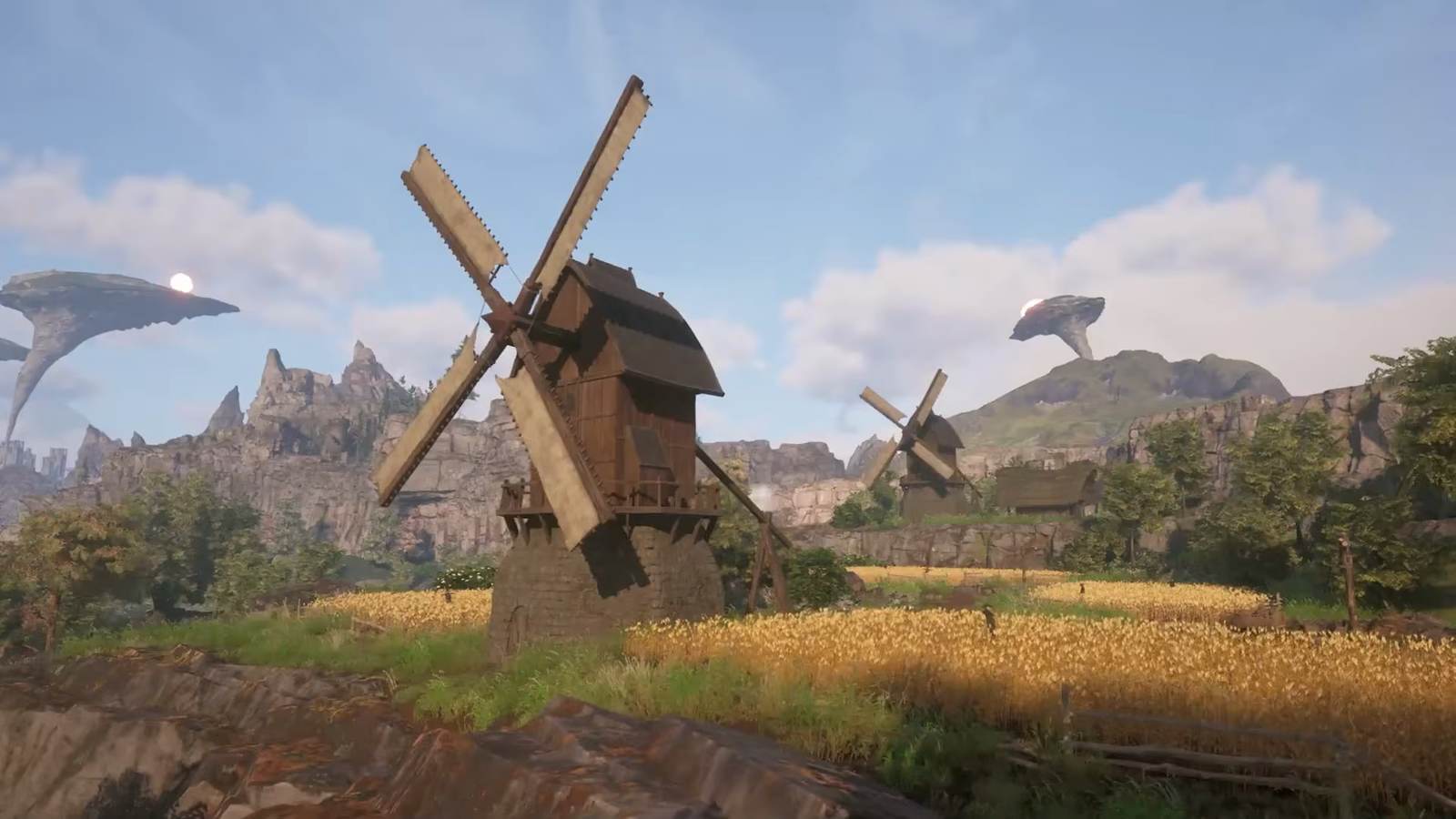
What Cardinal Rank unlocks
Cardinal Rank touches five systems at once, which is why it's worth advancing deliberately rather than as a side effect:
- Merchant stock — higher rank expands what the Merchant will sell you. New consumables and gear appear as you climb, so a stalled Cardinal Rank means a stalled shop.
- Smithy recipes — craftable and forgeable options at the Smithy open up with rank. Some weapon-upgrade and fusion paths simply aren't available until your Cardinal Rank is high enough.
- Enemy difficulty — monsters scale with Cardinal Rank, so the world keeps pace with your growth rather than becoming trivial. This is why over-leveling alone doesn't fully "break" the game.
- Drop quality — the quality of items enemies drop improves with rank, feeding your crafting and gear loop.
- Partner growth — your partner's abilities increase with Cardinal Rank, so advancing it strengthens both halves of your duo, not just your own kit.
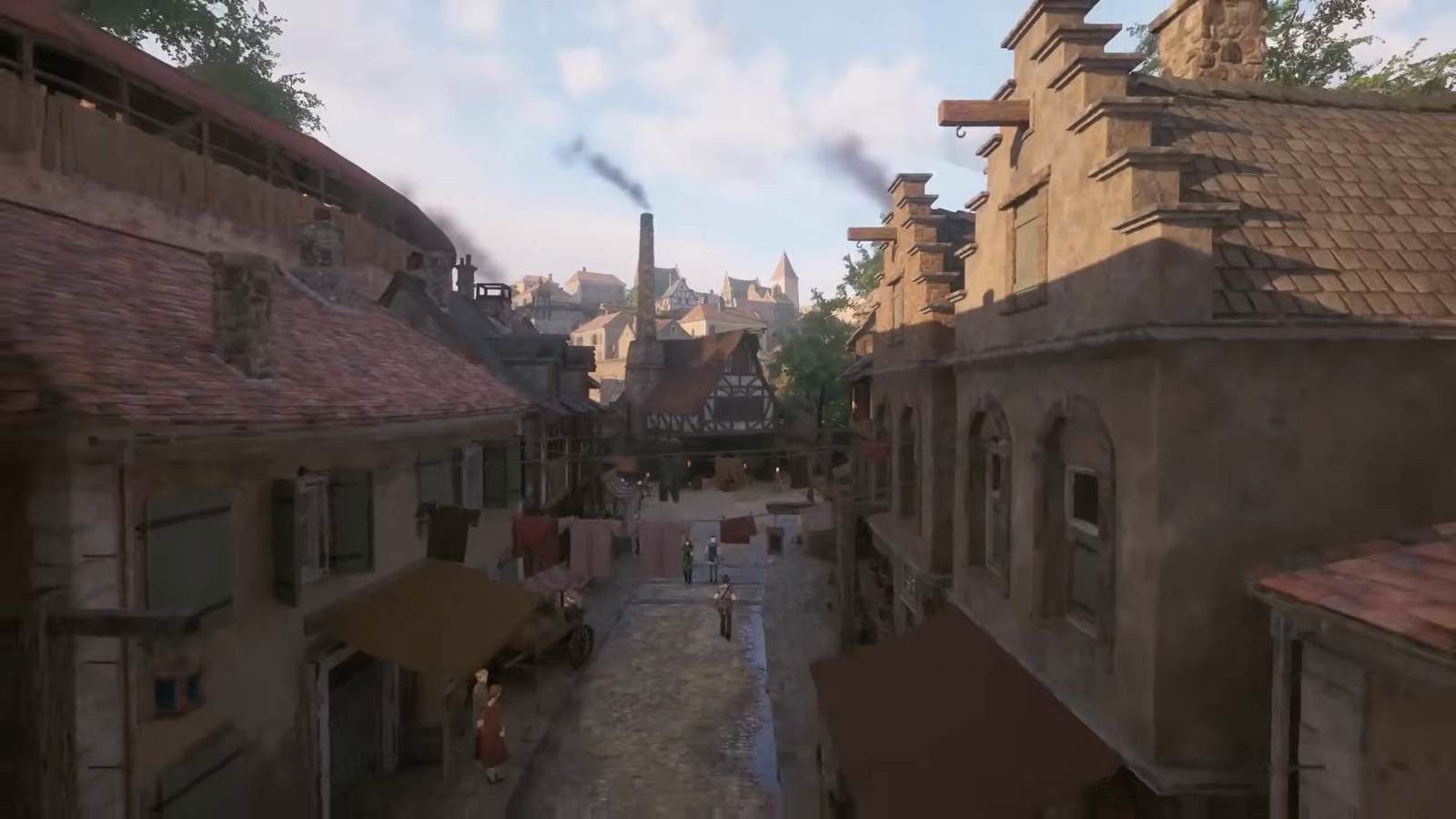
How to raise it
Two activities move Cardinal Rank, and both are things you'd want to do anyway:
- Advance the Main Quest. Progressing the story is the primary driver. If your shop and Smithy feel stuck, the fix is usually to push the next story beat rather than grind more monsters.
- Discover new towns. Exploration is rewarded directly — finding and reaching new settlements raises your rank. This makes wandering off the critical path a genuine investment, not a detour.
The design encourages a rhythm of explore, progress, return: push into new territory to find towns and advance quests (raising Cardinal Rank), fight along the way (raising your level and banking Growth Points), then return to town to spend points at the Inn and cash in your improved shop and Smithy access. The two tracks feed each other.
Why scaling difficulty is a feature, not a punishment
At first glance, "enemies get harder as I progress" sounds like a treadmill. In practice, tying monster difficulty to Cardinal Rank is what keeps the game engaging instead of collapsing into a walkover. Because the world scales with your rank rather than your raw level, you can't fully trivialize it by grinding monsters alone — over-leveling makes fights easier, but the world doesn't become empty of challenge. This is a deliberate design choice: it means your power and the world's stakes rise together, so a fight fifteen hours in still feels like a fight. It also gently discourages the degenerate strategy of grinding for hours before every boss, because Cardinal Rank (and with it, difficulty) is driven mainly by story progress and exploration, not by farming. The intended experience is to keep moving forward, and the scaling makes forward the most rewarding direction.
Cardinal Rank in Death Game Mode
In Death Game Mode, where a single death permanently deletes your save, Cardinal Rank's scaling deserves extra thought. Since enemies scale to your rank, you can't simply out-grind the danger — pushing Cardinal Rank raises difficulty alongside your access and drops. That makes the two-track balance more important, not less: you want your level and Growth Points (raw survivability) to keep pace with the Cardinal Rank difficulty you're taking on, rather than rushing story progress while under-leveled. The safe approach for a permadeath run is to advance Cardinal Rank steadily while making sure your Vitality, Endurance and gear are keeping up with the difficulty each new rank brings. Racing the story without the raw power to match is how a promising Death Game run ends abruptly.
If your shop or Smithy feels stuck
A concrete troubleshooting tip that follows from all of this: when the Merchant's stock or the Smithy's recipes stop improving, the fix is usually Cardinal Rank, not grinding. Because those systems are gated by rank rather than level, farming another few character levels won't unlock new gear — you need to advance the Main Quest or discover a new town. So if you're stuck with gear that's fallen behind, don't grind monsters; push the story beat you've been putting off, or explore for that town you haven't reached. It's the single most common reason players feel their progression has stalled, and the answer is almost always "make Cardinal Rank move."
Route around milestones, not a hidden threshold
Cardinal Rank is driven by Main Quest milestones and town discoveries rather than a steady drip of combat experience, so plan around progression steps. Push a nearby story beat or settlement discovery before a major shopping-and-crafting trip, then recheck the Merchant and Smithy. This gets more value from the same Col without inventing a rank-by-rank threshold table. The useful optimization is observable: story and exploration change access; repeated monster farming alone does not serve the same function.
What the demo teaches
The demo introduces Cardinal Rank through the Town of Beginnings and its quests. Eligible imported progress carries on the same platform, but the durable lesson is broader: quests and discoveries are progression systems, not story decoration. Treat exploration and questing as sources of shop, Smithy and encounter access, while character levels handle a different axis of power.
FAQ
What is Cardinal Rank in Echoes of Aincrad?
How do you increase Cardinal Rank?
What is the difference between level and Cardinal Rank?
Does Cardinal Rank make enemies harder?
Where to go next
Grow your raw power on the other track in the Growth Points guide, spend your improving drops and recipes at the Smithy, and see where you first meet these systems in the demo walkthrough.
Sources
Gameplay frames captured from the Echoes of Aincrad demo trailer.