Short version: EX-Mods are extra weapon effects — things like reduced Stamina cost or improved attack — that appear on gear at random. They're separate from a weapon's built-in Unique MOD, and the deep part is fusion: by combining weapons of the same type at the Smithy, you can pool up to four EX-Mods onto a single weapon. That turns gear from "whatever dropped" into a build you assemble — which is why EX-Mods are the endgame-flavored system hiding inside the demo.
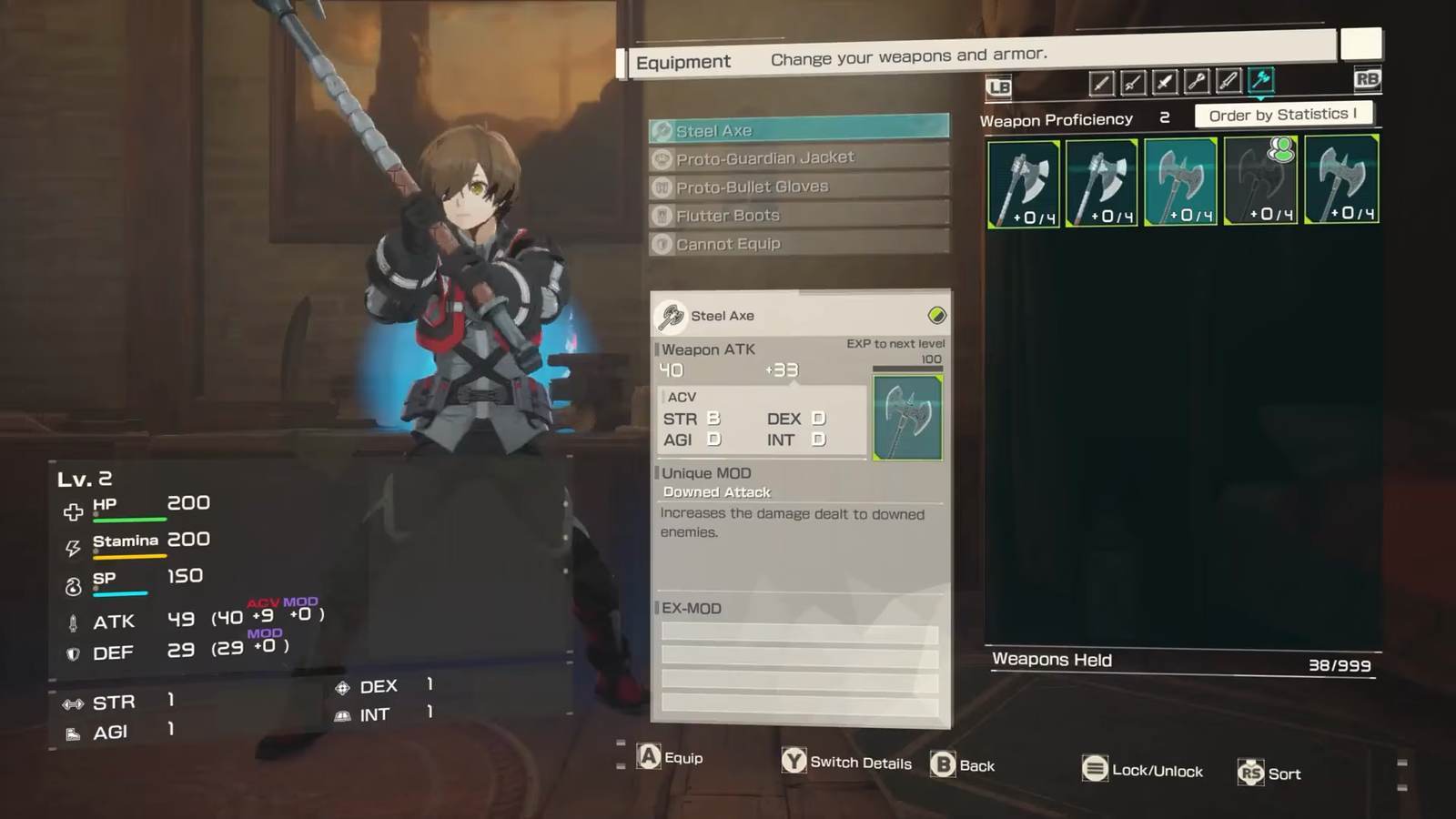
How this page is sourced. Retail menu footage confirms that named weapons expose built-in MOD text in the release build. Exact effect lists, unlock paths, drop rates and values come from the official Starter Guide and demo material, and any point drawn from retail footage is labelled where it appears — so you always know how firm each detail is.
What an EX-Mod actually is
An EX-Mod is a bonus effect layered onto a weapon, granted at random rather than chosen. The official examples give the flavor: an EX-Mod might reduce the Stamina cost of your actions, or improve your attack — small, concrete edges that stack into something meaningful. Because they appear randomly on gear, two copies of the same base weapon can carry completely different EX-Mods, which is what makes weapon drops interesting past the first one. That fresh mace isn't just "another mace" — it might be carrying the exact Stamina-reduction effect your heavy build has been wanting.
EX-Mods vs the Unique MOD
Don't confuse the two systems. A Unique MOD is a weapon's own signature effect — the built-in identity that comes with that specific weapon. EX-Mods are additional effects layered on top, and unlike the Unique MOD, they're the ones you can carry over and combine through fusion. So a weapon's total package is its base stats, plus its Unique MOD, plus however many EX-Mods it's carrying. When you evaluate a new drop, read all three layers: a weapon with worse base stats but a perfect EX-Mod for your build can be the better pick, especially if you plan to fuse its effect onto something else later.

Fusion: pooling up to four EX-Mods
Here's where EX-Mods go from "nice random bonus" to a real build system. At the Smithy, you can fuse weapons of the same type to combine their EX-Mods, pooling up to four on a single weapon when slots allow. This is the mechanism that lets you keep a great effect instead of losing it when you upgrade to a better base weapon — you fuse the old weapon's EX-Mod onto the new one. Done deliberately, fusion lets you assemble a weapon that carries a stack of effects chosen to reinforce each other: imagine a heavy weapon stacking multiple Stamina-cost reductions until its committal swings barely dent your bar, or a damage build layering attack bonuses. The four-slot cap means this is a puzzle, not a dumping ground — you're choosing which four effects define your weapon.
EX-Mods change what a weapon type wants
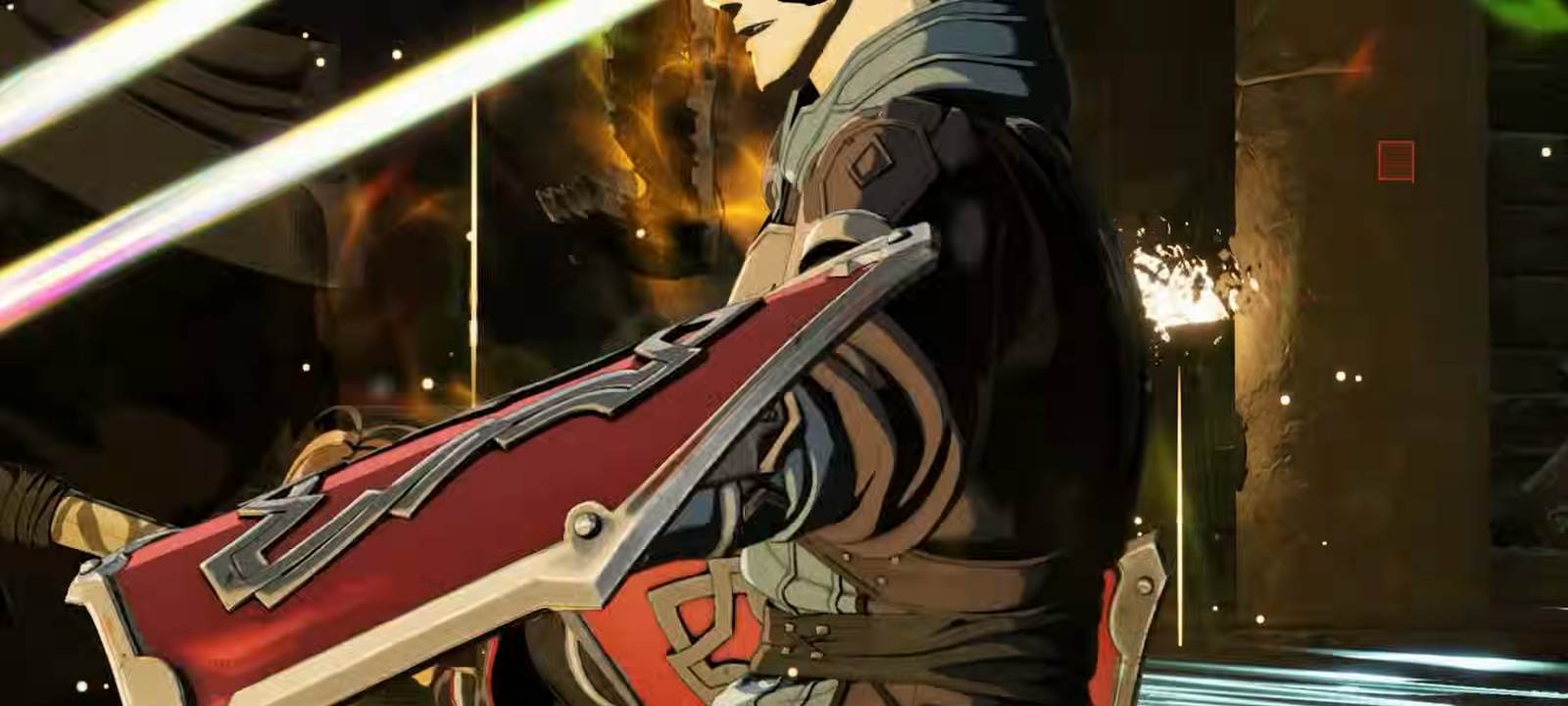
Because EX-Mods are effects like reduced Stamina cost or improved attack, the best EX-Mods depend on the weapon carrying them — and that's where fusion gets strategic. A heavy, Stamina-hungry weapon like the two-handed axe gains enormously from stacking Stamina-cost reductions, because its committal swings are exactly what drain your bar; the same EX-Mod on a nimble dagger matters less. Conversely, a fast weapon that already sips Stamina might prefer attack-boost EX-Mods to turn its many hits into more damage. So as you accumulate EX-Mod rolls, sort them by which of your weapons they'd most improve, not just by whether they're "good" in the abstract. A Stamina-reduction roll is a treasure for a two-hander build and a mere nice-to-have for a dagger — the same effect, different value depending on where you fuse it. Reading EX-Mods through the lens of your specific weapon's weakness is how you turn random drops into a targeted upgrade, and it's why two players with identical weapons can end up with very different — and very personal — final builds.
Building toward synergy
The productive way to approach EX-Mods is to hold onto weapons with effects that suit your build, even after you've stopped using them, as fusion fodder. A dagger build that keeps finding Stamina-reduction EX-Mods should bank those weapons; a Strength build hoarding attack-boost rolls is stockpiling exactly what it wants to fuse later. Because the effects are random, this is a slow accumulation rather than a shopping list — you take the good rolls when they come and combine them when you have four that work together. It rewards the same discipline as the rest of your build: pick a direction (survivability, raw damage, Stamina economy) and let your EX-Mod choices reinforce it, rather than fusing a grab-bag of unrelated effects.
Chasing the rolls you want
Since EX-Mods appear at random, you can't simply buy the effect you want — you accumulate toward it. That shapes a specific habit: keep, don't sell, weapons with EX-Mods that suit your build, even after you've moved to a better base, because they're your fusion fodder. Over time you'll bank several weapons of your type carrying the effect you're after, then fuse to pool them onto your main. It's a slow, opportunistic system rather than a deterministic one — you take the good rolls when the game offers them and combine them when you have four that work together. The mistake is auto-selling spare weapons for Col the moment you have a better base; you may be selling exactly the effect you'd have fused later. Until you know a weapon type's EX-Mod pool well, err toward keeping spares of your main weapon type — storage costs nothing, but a perfect fusion you threw away is gone for good.
Cardinal Rank gates fusion
Like the rest of the Smithy, EX-Mod fusion is tied to Cardinal Rank — "some fusion options may only open as you progress." So if a fusion you want isn't available, the answer is usually to advance the story or discover a new town rather than to keep grinding. This ties EX-Mods into the same explore-and-progress loop as everything else: your access to the deeper gear customization grows with your Cardinal Rank, not just your playtime. It's another reason to keep both progression tracks moving rather than over-investing in one.
Check the effects on every drop
The habit that ties all of this together is small but easy to forget: actually read the EX-Mods on gear you pick up, rather than judging a weapon by its base stats alone. Two identical-looking weapons can differ entirely in the effects they carry, and the "worse" one on paper might hold exactly the Stamina-reduction or attack roll your build has been missing. Make checking the equipment screen a reflex on every meaningful drop — it takes seconds, and it's the only way to spot the rolls worth keeping for fusion before they get lost in your "sell" pile.
Using the demo as an EX-Mod tutorial
The demo shows random effects on gear and makes the core inventory lesson clear: a second weapon of the same type can matter even when its base stat is lower. Eligible transferred weapons may serve as fusion fodder in the retail game, so read the EX-Mods on every drop and do not auto-sell a weapon solely because you own a stronger base. Its effect may be more valuable on your main weapon than its immediate sale price. Treat the growing pile of “spares” as a toolbox organized by useful effects.
FAQ
What are EX-Mods in Echoes of Aincrad?
How many EX-Mods can a weapon have?
What is the difference between an EX-Mod and a Unique MOD?
How do you unlock more fusion options?
Where to go next
See where fusion happens in the Smithy guide, understand the Stamina costs EX-Mods can cut in the Stamina & SP guide, and unlock more fusion options via Cardinal Rank.
Sources
- Bandai Namco — Starter Guide
- Bandai Namco — Gameplay Mechanics Explained
- SwoleBenji — retail weapon-tree footage (used only to confirm the presence of named weapon MOD cards)
Gameplay frames captured from the Echoes of Aincrad demo; player-captured footage credited in each caption.