Short answer: buy Echoes of Aincrad if you are already an SAO fan, liked the demo combat, and want a focused single-player action RPG with weapon builds and partner systems. Wait for a sale if you are a general JRPG player judging it at $69.99. Skip if you want co-op, a true MMO or a huge open world. This is an audience-specific recommendation, not a universal score.
Review method. This buyer guide combines the official feature set, current price, demo availability, patch history and a dated Steam review snapshot. It evaluates audience fit and value; it does not claim a personal completion run or copy another outlet’s verdict.
The buyer verdict
| If this sounds like you | Recommendation | Why |
|---|---|---|
| SAO fan, liked the demo, wants Aincrad fan service | Buy now | The game is built for you first: original avatar, partner roster, Floor 1/2 setting, Kirito/Asuna/Argo-era nostalgia. |
| Action-RPG player who cares about builds more than open-world scale | Try demo, then buy if combat clicks | The weapon and partner systems are the strongest sales pitch. If they do not land in the demo, the full game will not magically become your thing. |
| General JRPG buyer at full price | Wait | Steam's English review snapshot is Mixed, and the $69.99 price makes repetition and linearity harder to forgive. |
| Needs co-op, MMO-style progression or a wide open world | Skip | This is a single-player, floor-by-floor action RPG. It borrows SAO's setting, not the fantasy of actually logging into an MMO with friends. |
What the current evidence says
On August 4, 2026, Steam showed Mixed English reviews: 52% positive across 2,117 English-language reviews. That is substantial enough to reject a blanket recommendation in either direction. The game is strongest for players who enjoy SAO's premise and want a more deliberate combat system than older licensed entries; it is a weaker blind $70 purchase for someone comparing the whole JRPG market.
A licensed game can be worthwhile for its intended audience and still be a poor full-price impulse buy for everyone else. The free demo is therefore part of the recommendation method, not an afterthought.
Why SAO fans can buy with fewer doubts
The fan case is obvious, but it is not empty. You create your own trapped player instead of driving Kirito again. You climb the first two floors of Aincrad beside a confirmed partner roster. Bandai Namco's character page now lists multiple partners, including Iori, Wyzeman, Zash, Argo, Kirito, Asuna, Agil, Klein, Lisbeth and Silica, so the cast appeal is not just trailer mist.
If you have been waiting for an SAO game that treats Aincrad like a build playground rather than a hallway for familiar faces, this is the cleanest pitch the series has had in years. That does not erase flaws, but it explains why a fan and a neutral critic can look at the same game and land in different places.
Why non-fans should be stricter
If you are not emotionally attached to Aincrad, judge the game like any other full-price action RPG. The questions become blunt:
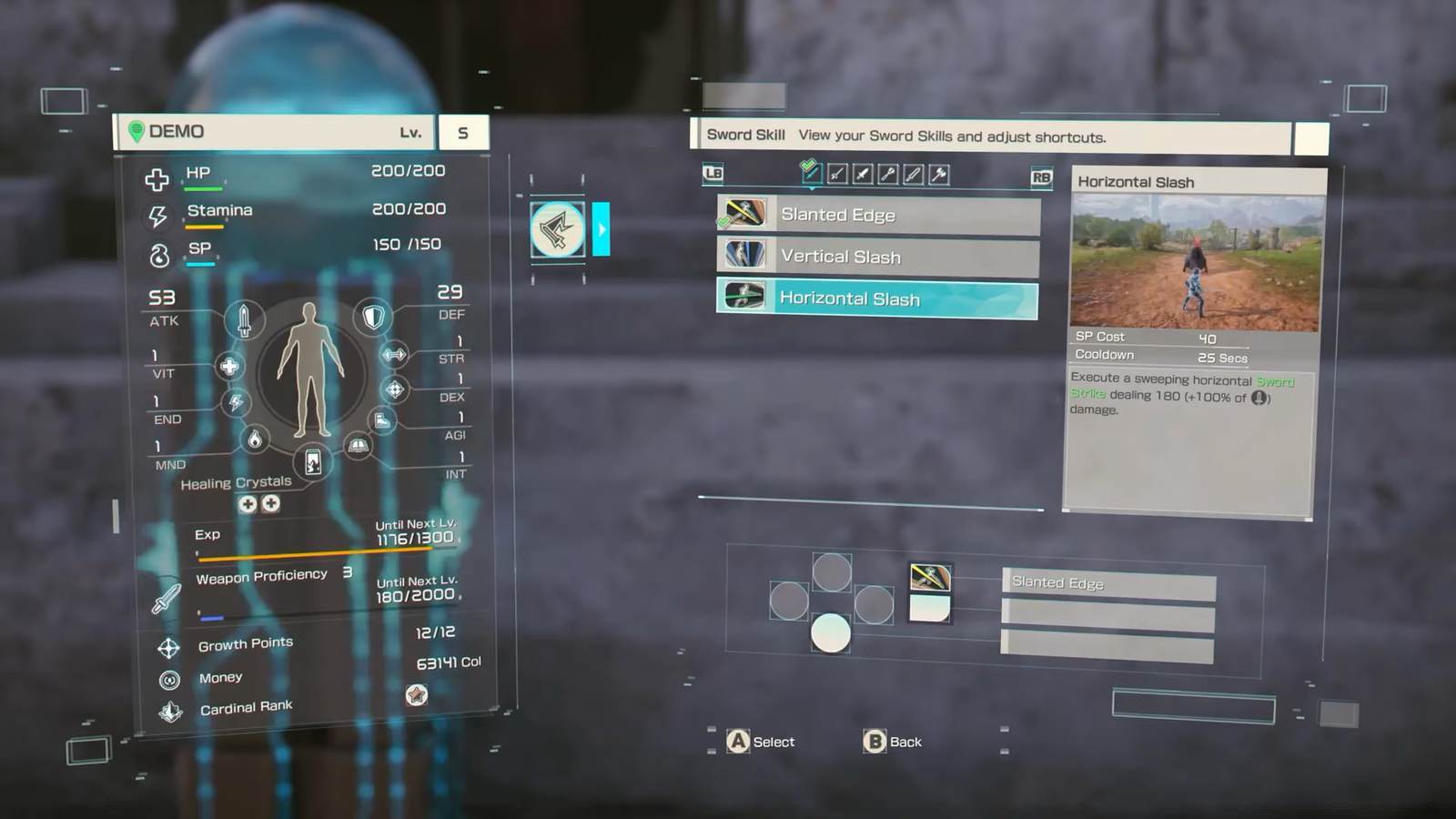
- Do the weapons feel different enough? Six weapon types help, but you should verify the feel yourself in the demo.
- Does the partner system add decisions? Switching aggro, support skills and Combination Skills are promising, but the value depends on encounter design over many hours.
- Can you tolerate linearity? The official structure is floor-based, not a seamless open world.
- Is $69.99 acceptable for this scope? If the answer is "maybe," wait. Sales exist for a reason.
That is not a dunk; it is the practical line. The game can be the best SAO game and still not be the best use of $70 for a player with no SAO attachment.
The demo is still the smartest filter
The free demo remains the best buyer tool because Bandai Namco officially supports save transfer into the full game. On first launch, the retail game asks whether to carry over demo data. If you choose Carry over, the progress moves forward on the same platform family. If you choose Do not carry over, Bandai Namco says the prompt will not appear again unless you delete all save data. Demo saves also cannot be used for Death Game mode.
That means there is very little reason to buy blind. Play the demo, test the weapon feel, see whether Iori and the partner mechanics make fights better, then decide. A buyer guide cannot be more accurate than your hands on the controls.
Day-one patch: a good sign, but not a magic fix
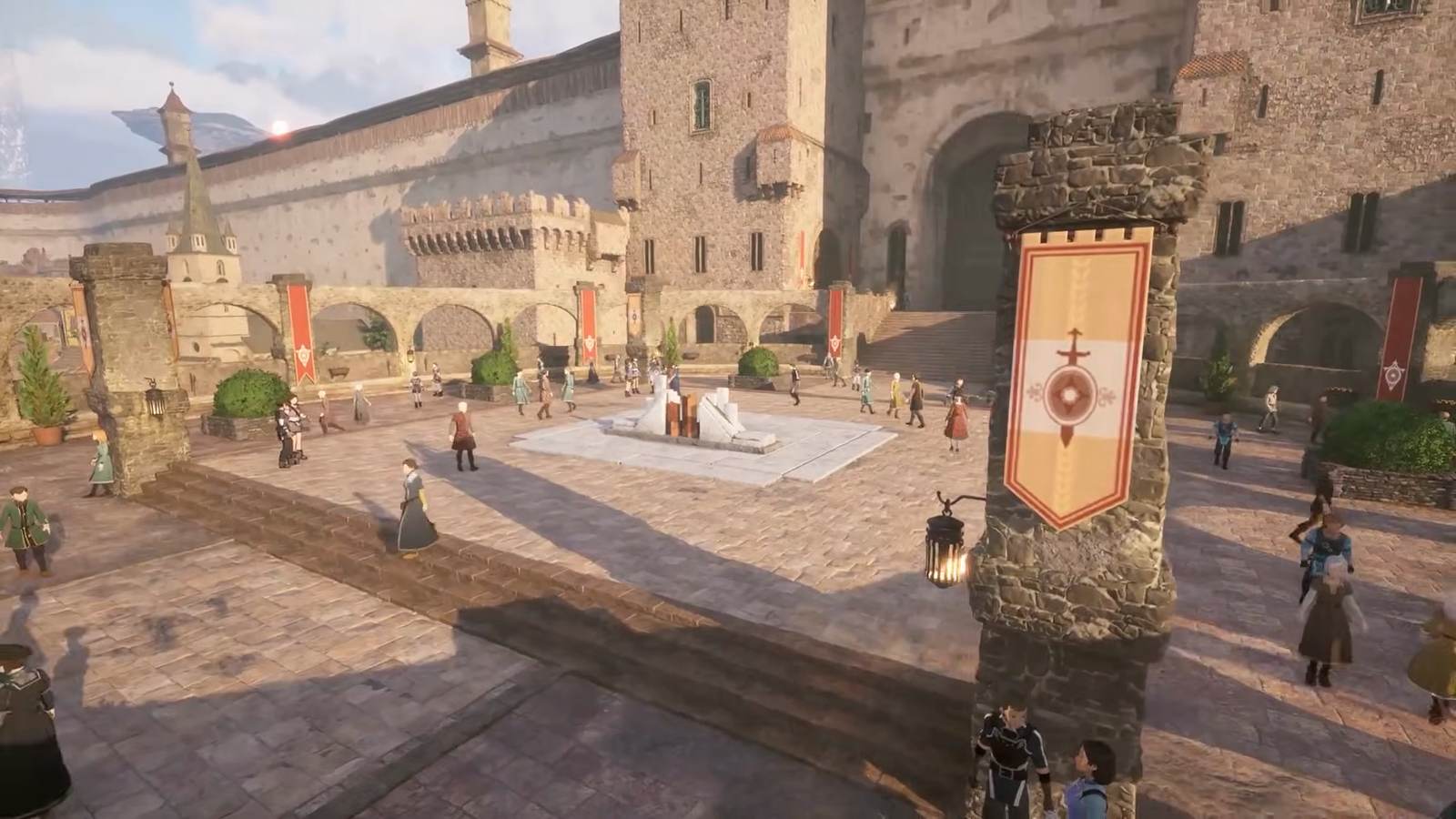
Bandai Namco's Ver.1.0.3 day-one patch is unusually relevant for a buyer guide because it touches balance and feel: weapons, Sword Skills, Combination Skills, Support Skills, enemy counts by difficulty, step/roll invulnerability, EX-MODs and Unique MOD behaviour. It also adds demo save transfer.
That is useful support, but do not overread it. A day-one patch can polish friction; it cannot prove the mid-game pacing, side content density or late-game build economy. Treat the patch as evidence that the launch build is moving, not evidence that every community concern is solved.
Why the Steam score is context, not the whole verdict
A 52% positive English score shows a divided audience, not which side a particular buyer will join. The useful filters are concrete: attachment to the SAO setting, enjoyment of the demo's combat rhythm, tolerance for a floor-based structure, interest in build systems, and willingness to pay full price. Those are decisions the store aggregate cannot make for you.
Use the review score as a reason to test the free demo and apply a stricter value standard—not as a substitute for checking whether the game’s actual structure matches what you want.
Our recommendation
Buy if you are here for SAO, liked the demo and want to build an avatar around the weapon-and-partner systems. Wait for a sale if you are curious but not attached to the franchise. Skip if your must-haves are co-op, MMO scale or open-world freedom.
The unsexy advice is the strongest advice: let the free demo do its job. If you finish it thinking about a different weapon build, the game has you. If you finish it feeling merely polite, keep your money.
FAQ
Is Echoes of Aincrad worth buying?
Should I wait for a sale?
Does the demo save transfer to the full game?
Is Echoes of Aincrad good for players who do not know SAO?
Where to go next
Use the demo walkthrough to test the opening cleanly, then compare editions before paying. If combat is the deciding factor, read the best starting weapon guide, combat system guide and character database.
Sources
- Bandai Namco — Day 1 Patch Update File Ver.1.0.3
- Bandai Namco — How to Transfer Save Data from the Demo
- Bandai Namco — Official character roster
- Steam store page — Echoes of Aincrad
Steam review snapshot recorded August 4, 2026: 2,117 English-language reviews, 52% positive, rating “Mixed.” Store scores change over time; the date is part of the claim.