Short answer: no. Echoes of Aincrad is not an open-world game. It uses a floor-by-floor structure — the game covers Floors 1 and 2 of the floating castle Aincrad, each with hub towns, semi-open field areas for exploration, dungeon zones, and boss arenas called Arks that gate progression to the next section. You can explore freely within each area, but you can't skip ahead to Floor 2 without clearing Floor 1's content first.
If you're here to decide whether to buy the game, the structure question matters — see Is It Worth Buying? for the full picture.
The floor structure, explained
Aincrad in the SAO franchise is a 100-floor floating castle where each floor is essentially its own world — towns, fields, dungeons and a floor boss. Echoes of Aincrad adapts this for a focused action RPG by covering two floors rather than the full castle, and structuring each floor as a set of interconnected zones:
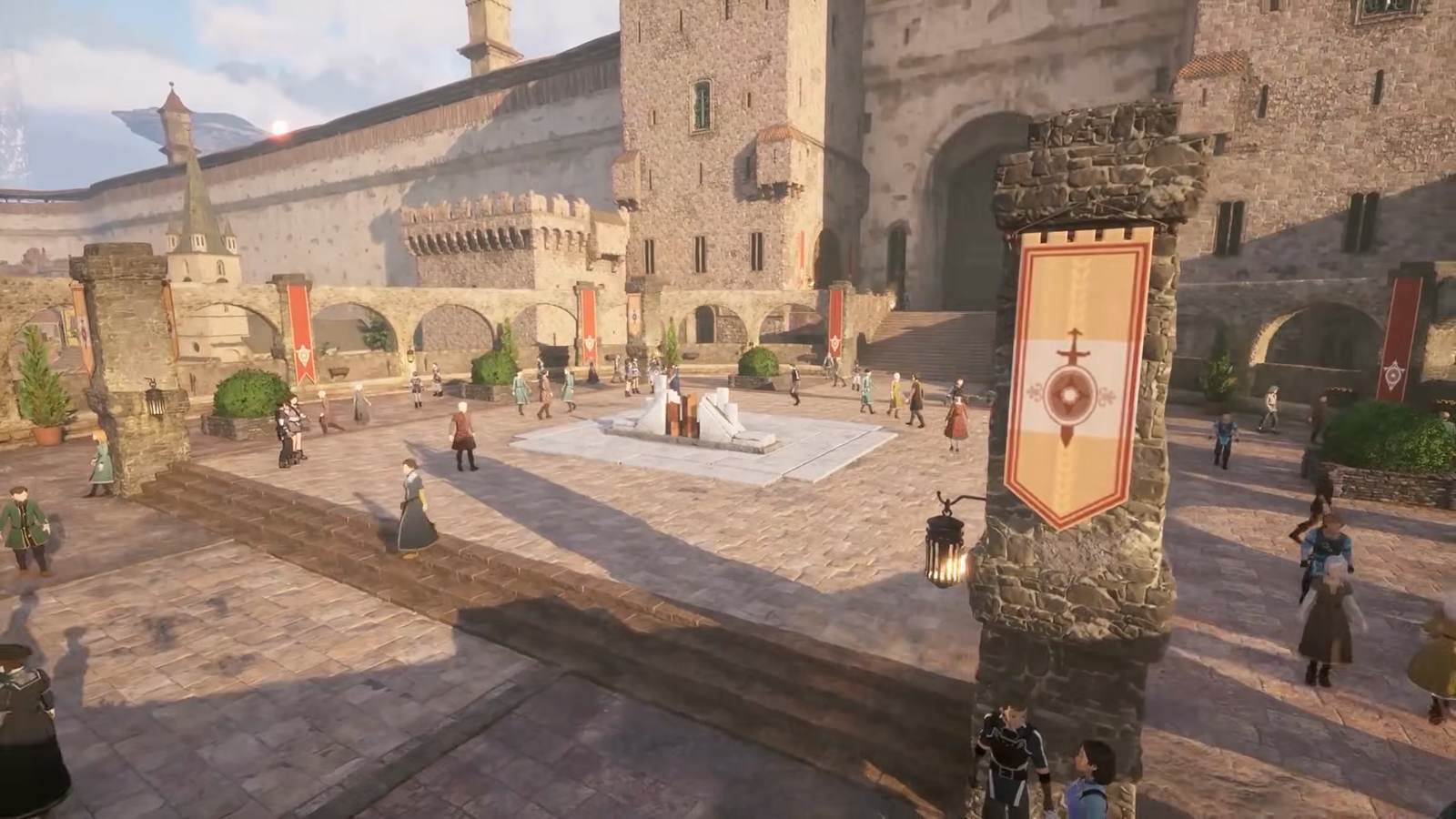
- Hub town: the Town of Beginnings on Floor 1, with the Inn (Growth Points), Smithy, Merchant, and quest board. This is your home base — safe, explorable, and full of NPCs.
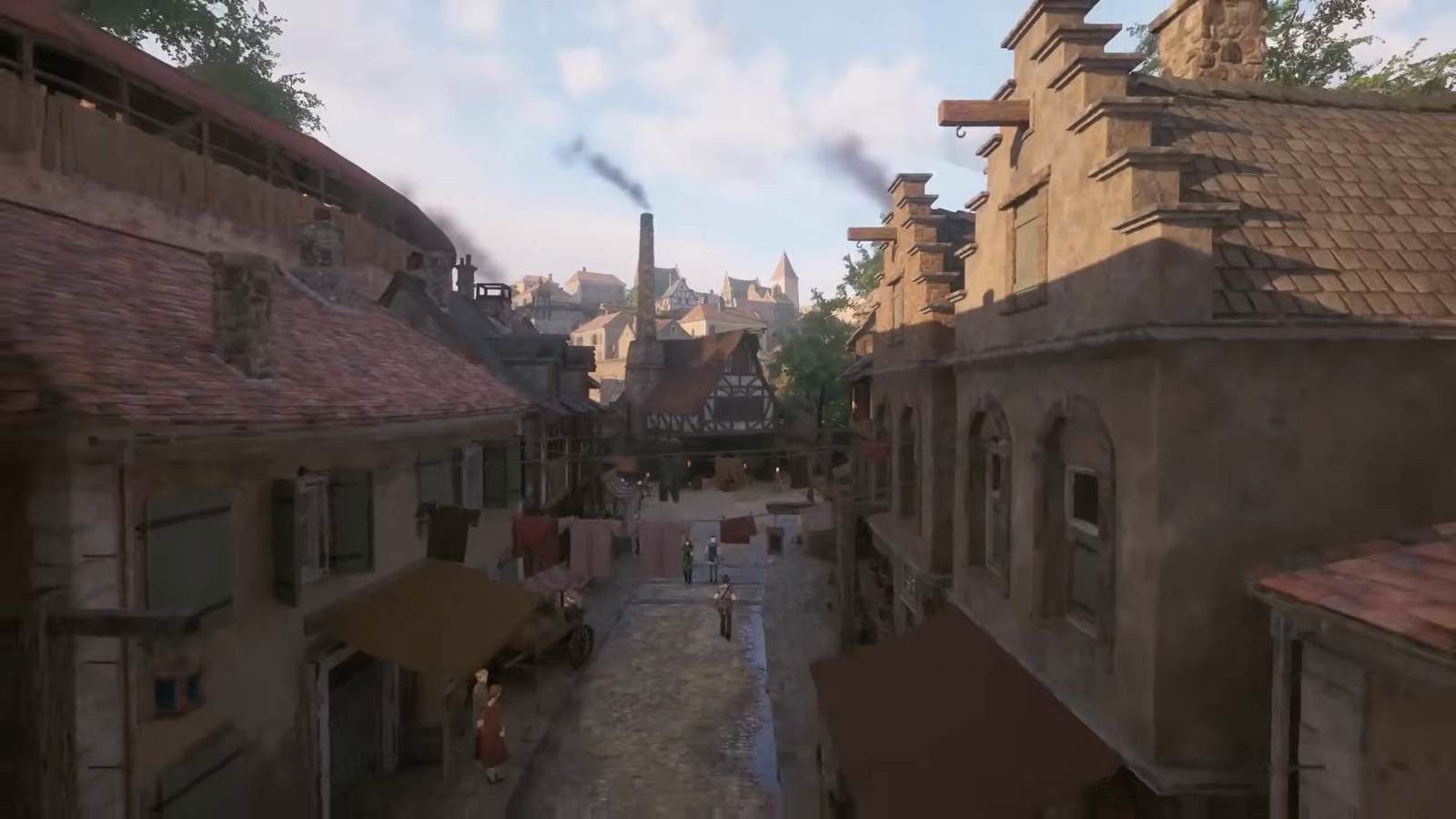
- Field areas: semi-open zones between the town and the dungeons. These are where you fight regular enemies, gather materials, find hidden encounters, and raise your Cardinal Rank. You can free-roam within them, revisit cleared areas, and grind if you want to.
- Dungeons: more linear, combat-focused areas with environmental puzzles, checkpoints (save orbs), and stronger enemies. The prologue dungeon — an escape sequence — is the first thing you play.
- Arks (boss arenas): sealed encounters with no retreat and no shop access. Clearing the Ark's boss progresses the story and, eventually, opens the next floor. See the Arks guide for preparation details.
What "semi-open" actually means in practice
The field areas are the closest thing to open-world gameplay in Echoes of Aincrad, and they're worth understanding precisely because they're easy to misrepresent in either direction. They are not a Breath of the Wild-style seamless overworld — you can't climb that mountain on the horizon or glide to a distant landmark. But they're also not a corridor — you genuinely have freedom of movement within each zone, with multiple paths, optional encounters, hidden resource nodes, and exploration that rewards going off the beaten path.
The practical feel is closer to a game like Tales of Arise or Scarlet Nexus — discrete areas that are individually explorable but connected by a linear progression chain. You can wander Floor 1's fields for hours hunting materials and fighting, but you can't walk from Floor 1 to Floor 2 without going through the boss gate. The design trades the freedom of a true open world for tighter encounter design and a clearer sense of progression — you always know where you are in the story and what the next objective is, which some players find reassuring and others find constraining.
How Cardinal Rank gates content
Beyond the floor-boss gates, your Cardinal Rank — raised by story progress, exploration, and quest completion — gates additional content within each floor. Higher Cardinal Rank unlocks better shop inventory at the Merchant, advanced crafting recipes at the Smithy, stronger enemy variants in the field, and rarer material drops. This creates a soft incentive to explore rather than rush: a player who beelines for the boss with a low Cardinal Rank will face the same fight as a player who explored thoroughly, but with worse equipment and fewer options.
This is a different philosophy than open-world level scaling (where the world adjusts to you) — here, the world has a fixed power curve, and your exploration determines where you sit on it. It's a gate, but a gentle one: the game rarely forces you to grind, but it rewards you for being thorough.
Why it isn't open world (and why that's a design choice, not a limitation)
An open-world SAO game is an obvious pitch — a hundred floors, each its own world, explored freely with friends. That's closer to an MMO than a single-player action RPG, and building it would require a fundamentally different game. Echoes of Aincrad chose the opposite trade: two floors, deeply detailed, with hand-crafted boss encounters, authored story beats, and systems (Growth Points, Smithy, EX-Mods) that assume a specific progression curve.
The advantage of this structure is density. Every encounter, every material drop, every field-area layout is designed knowing roughly where the player will be in their power curve. The Sentry Golem teaches parrying because the game knows you haven't fought anything faster yet. Illfang tests everything the Golem taught because the game knows you've been through that lesson. An open world can't make those assumptions — it has to account for the player showing up at any level with any equipment, which typically means either level-scaling everything or accepting that some content will be trivially easy when the player reaches it.
Whether that trade works for you depends on what you value more: the freedom to go anywhere, or the certainty that wherever you go, the game was designed for you to be there right now. Echoes of Aincrad bets on the second.
Exploration is still meaningful
The "not open world" label can make the game sound more linear than it feels. Within each floor, exploration is genuinely rewarding:
- Hidden encounters: enemies and mini-bosses that don't appear on the main path, often guarding better materials or equipment.
- Resource nodes: crafting materials for the Smithy are scattered through field areas, with rarer nodes off the beaten path.
- Safety Areas: rest points in the field that restore HP and serve as fast-travel anchors. Finding them creates a network of shortcuts that makes backtracking painless.
- Environmental storytelling: the fields and dungeons contain visual details about the world — the floating castle, the trapped players, the unfolding story — that reward players who look rather than rush.
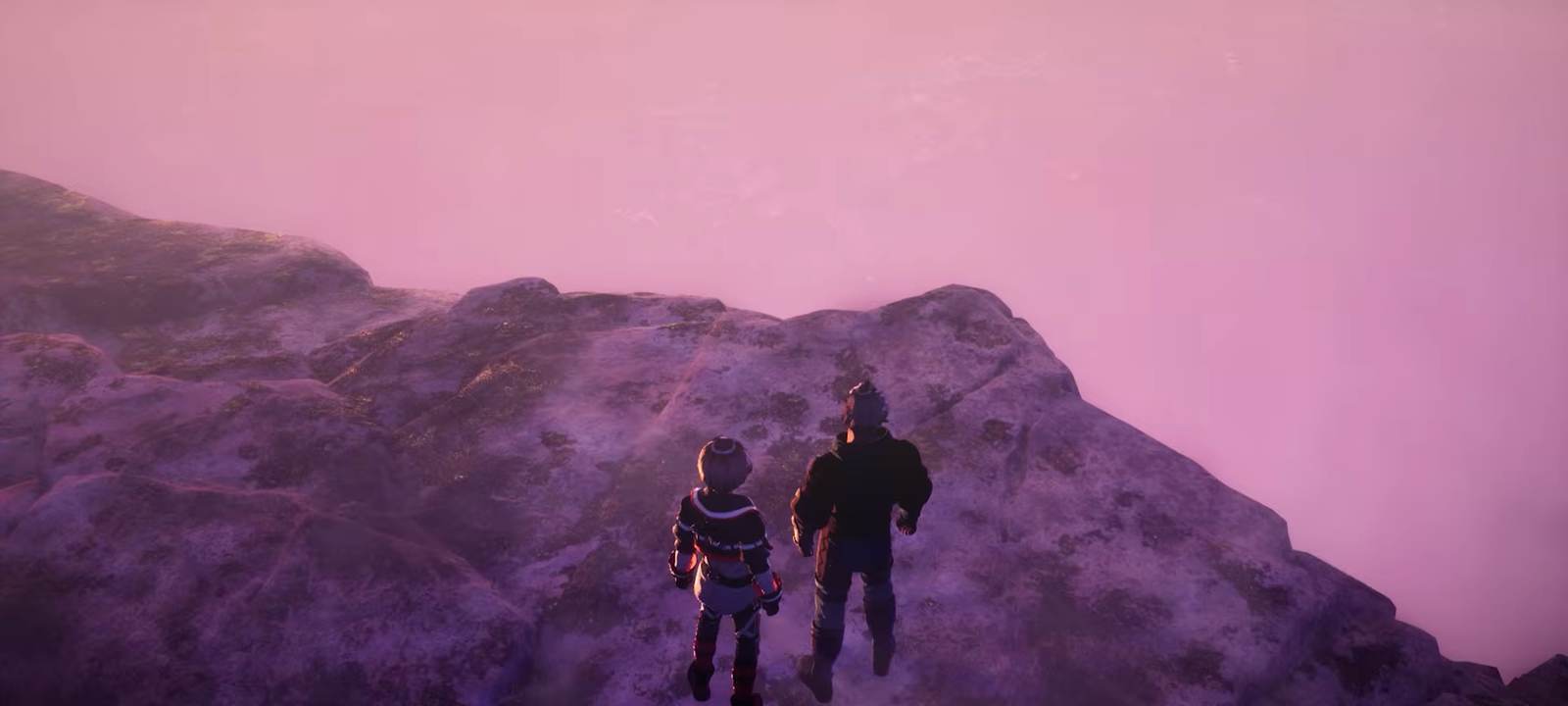
The demo's prologue dungeon is the most linear section of the game. If you played it and thought "this feels like a corridor," the field areas that open up afterward are noticeably more open and explorable. The dungeon is the on-ramp, not the whole road.
How it compares to other action RPGs
| Game | Structure | Exploration Freedom |
|---|---|---|
| Elden Ring | Open world | Go almost anywhere from the start |
| Zelda: TotK | Open world | Full freedom after tutorial |
| Tales of Arise | Semi-open zones + linear progression | Free within zones, gated between |
| Scarlet Nexus | Mission-based with hub areas | Limited free-roam between missions |
| Echoes of Aincrad | Floor-by-floor with semi-open fields | Free within floors, boss-gated between |
| God of War Ragnarök | Semi-open realms | Hub-and-spoke within each realm |
If you're coming from a true open world and expect that level of freedom, recalibrate. If you're coming from a more structured action RPG and want some exploration layered on top, this sits right in the sweet spot.
FAQ
Is Echoes of Aincrad open world?
Can you explore freely in Echoes of Aincrad?
How big is the map in Echoes of Aincrad?
Is it like Elden Ring or Breath of the Wild?
Where to go next
See the full floor layout in the locations database, understand progression gating in the Cardinal Rank guide, or explore the demo's structure in the demo walkthrough. Wondering how long two floors actually last? The how long to beat guide has the estimates.
Sources
Structure details come from the playable demo and official guides. Examples are limited to areas those sources show directly, while the broader floor structure follows the publisher's description.